
Property tax explained simply means understanding how local governments calculate the amount you owe based on the value of your property. Whether you are a first time homeowner or someone who has owned property for years, understanding how this tax works can help you plan better and avoid unpleasant surprises. This guide breaks down everything you need to know in a simple, easy to follow way.
What Is Property Tax
Property tax is a recurring charge that local governments impose on property owners. It is typically collected annually or in installments, depending on your location. The funds gathered through this tax are used to support essential public services in your community.
These services often include schools, road maintenance, emergency services, libraries, and local infrastructure projects. In short, property tax plays a direct role in maintaining the quality of life in your neighborhood.
Who Needs to Pay Property Tax
Anyone who owns real estate, including land, homes, commercial buildings, and sometimes even certain types of personal property, is generally required to pay this tax. The obligation usually falls on the person or entity listed as the legal owner of the property.
How Property Tax Is Calculated
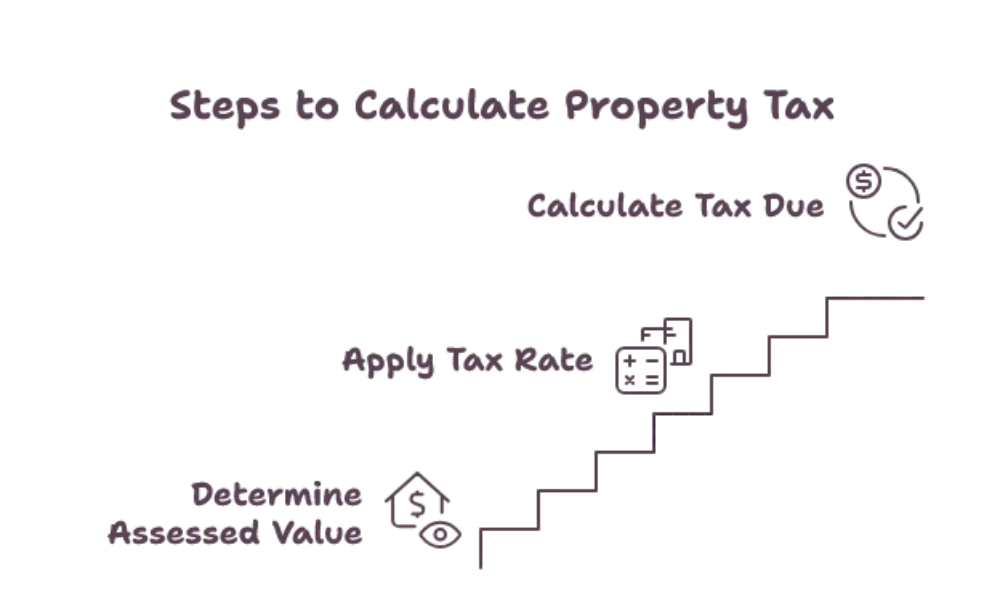
Understanding how property tax is calculated helps you make sense of your annual bill. While the exact method varies by region, most assessments follow a similar general process.
Assessed Value
Local assessors evaluate your property to determine its assessed value. This value is based on factors such as location, size, condition, and recent sales of comparable properties in the area.
Tax Rate
Once the assessed value is determined, it is multiplied by a tax rate set by the local government. This rate can change from year to year depending on budget needs and community requirements.
Exemptions and Adjustments
Many regions offer exemptions that can reduce your taxable amount. These might apply to senior citizens, veterans, primary residences, or properties used for specific purposes like agriculture or nonprofit work.
Why Property Tax Matters
Property tax is not just a financial obligation. It directly shapes the community you live in. Understanding its purpose can help you appreciate where your contribution goes.
Funding Public Services
A significant portion of property tax revenue supports public schools, giving children access to quality education. It also helps fund fire departments, police services, and emergency response teams.
Supporting Infrastructure
Roads, sidewalks, public parks, and drainage systems often rely on property tax funding for construction and upkeep. Without this steady source of revenue, many communities would struggle to maintain basic infrastructure.
Local Governance
Property tax gives local governments a reliable funding stream that does not depend entirely on state or federal support. This allows communities to have more control over their own development and priorities.
How Property Tax Bills Are Issued
Once the assessed value and tax rate are finalized, property owners receive a bill outlining the amount owed. This bill typically includes details about the assessment, applicable exemptions, and payment deadlines.
Payment Schedules
Depending on your local jurisdiction, you may have the option to pay your property tax annually, semi annually, or through monthly installments bundled into a mortgage payment.
Late Payment Consequences
Missing a payment deadline can lead to penalties, interest charges, or in severe cases, liens against your property. Staying informed about due dates is essential to avoid these complications.
How to Appeal Your Property Tax Assessment
If you believe your property has been overvalued, most regions allow you to file an appeal. This process typically involves reviewing your assessment notice and gathering evidence to support your claim.
Steps to Prepare an Appeal
Start by reviewing your property assessment details carefully. Compare it with similar properties in your area to see if the valuation seems accurate. Gathering supporting documents such as recent appraisals or photos of property condition can strengthen your case.
Working With Local Assessors
Many local tax offices offer informal reviews before a formal appeal is required. Speaking directly with an assessor can sometimes resolve discrepancies quickly and efficiently.
Tips for Managing Property Tax Responsibilities
Staying organized and proactive can make property tax season much easier to handle.
Keep Track of Assessment Notices
Review your property assessment notice as soon as it arrives. Catching errors early gives you more time to address them before deadlines approach.
Understand Local Exemptions
Research exemptions that may apply to your situation. Many homeowners miss out on savings simply because they are unaware such programs exist.
Maintain Accurate Property Records
Keep documentation related to renovations, repairs, or changes to your property. This information can be useful during assessments or appeals.
Common Misconceptions About Property Tax
There are several misunderstandings that often confuse property owners.
Property Tax Is the Same Everywhere
Many people assume property tax rules are universal, but they vary significantly depending on location, property type, and local government policies.
Paying Off Your Mortgage Eliminates Property Tax
Owning your home outright does not exempt you from property tax. As long as you own the property, this obligation continues.
Conclusion
Property tax explained in simple terms comes down to understanding how your local government values your property and uses that value to fund essential community services. staying informed about assessments, exemptions, and payment schedules, you can manage this responsibility with confidence and avoid unnecessary stress. Taking a proactive approach, from reviewing assessment notices to understanding available exemptions, ensures you are never caught off guard when your property tax bill arrives.
FAQs
What is property tax used for?
Property tax funds essential public services such as schools, road maintenance, emergency services, and community infrastructure projects.
How often do I need to pay property tax?
Payment frequency depends on your local jurisdiction. Some areas require annual payments, while others allow semi annual or monthly installments.
Can property tax amounts change every year?
Yes, property tax amounts can change based on updated property assessments and adjustments to local tax rates.
What should I do if I think my property was overvalued?
You can typically file an appeal with your local tax office, providing supporting documents and evidence to request a reassessment.
Are there ways to reduce my property tax obligation?
Many regions offer exemptions for specific groups, such as seniors or veterans, which can help reduce the taxable amount of your property.