
Falling behind on your mortgage is stressful, but it does not have to mean losing your home. If you are searching for how to avoid foreclosure, the good news is that you likely have more options than you think. The most important thing is to act early and stay organized.
This guide explains how foreclosure works, the warning signs to watch for, and the steps you can take today to protect your home.
- What Is Foreclosure and How Does It Happen?
- Warning Signs You May Be Heading Toward Foreclosure
- How to Avoid Foreclosure: Steps to Take Right Away
- Options That Can Help You Keep Your Home
- Options If Keeping the Home Is Not Possible
- Mistakes to Avoid When Facing Foreclosure
- Protect Yourself From Foreclosure Scams
- How to Prevent Future Mortgage Trouble
- Conclusion
- FAQs
What Is Foreclosure and How Does It Happen?
Foreclosure is the legal process a lender uses to take back a property when the homeowner stops making mortgage payments. The lender then sells the home to recover the unpaid loan balance.
The process does not happen overnight. Most lenders wait until you are several payments behind before starting formal action. That gives you time to respond, as long as you do not ignore the problem.
The exact steps and timeline depend on where you live. Some areas use a court process, while others allow lenders to move forward without going to court. Either way, you almost always have a window to find a solution.
Warning Signs You May Be Heading Toward Foreclosure
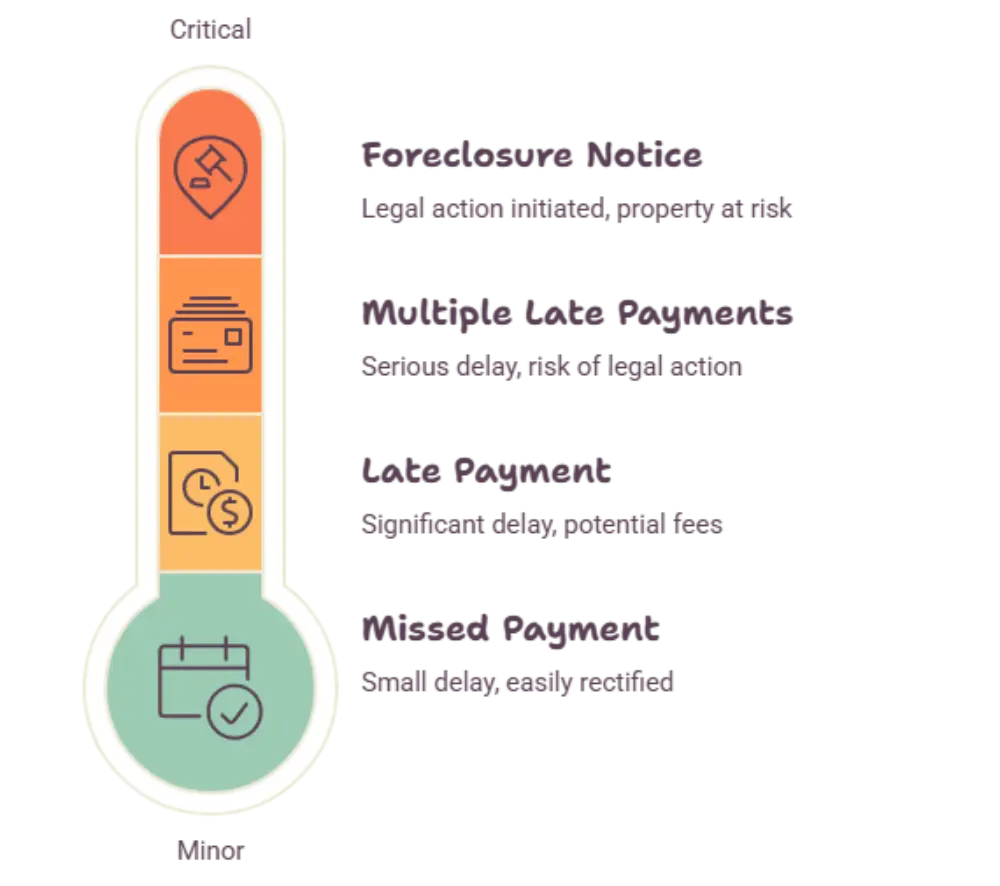
Catching problems early gives you more choices. Watch for these signals:
- You have missed one or more mortgage payments
- You are using credit cards to cover basic living expenses
- Your income has dropped because of a job loss, reduced hours, or illness
- Your mortgage payment has increased and is hard to manage
- You are receiving calls or letters from your lender about late payments
If any of these sound familiar, do not wait. The sooner you take action, the more options you will have.
How to Avoid Foreclosure: Steps to Take Right Away
When you feel overwhelmed, it helps to focus on a few clear actions. Start with the steps below.
Contact Your Lender Early
Many homeowners avoid calling their lender out of fear or embarrassment. That is understandable, but silence usually makes things worse.
Lenders often prefer to work with you rather than go through foreclosure. Call the number on your mortgage statement and ask to speak with the loss mitigation department. These teams exist to help borrowers who are struggling.
Be honest about your situation. Explain what changed and how long you expect it to last.
Open and Read Every Letter
It is tempting to ignore envelopes from your lender, but they often contain important deadlines. Missing one could limit your options.
Keep every notice in a folder. Write down the date you received it and any deadline it mentions. This also creates a record in case questions come up later.
Gather Your Financial Documents
Lenders will ask you to prove your situation. Having your paperwork ready speeds up the process.
Collect items such as:
- Recent pay stubs or proof of income
- Bank statements
- Tax returns
- A letter explaining your hardship
- Your mortgage statement and loan details
Being prepared shows your lender that you are serious about finding a solution.
Talk to a Housing Counselor
Housing counselors approved by the U.S. Department of Housing and Urban Development offer free guidance to homeowners in trouble. They can explain your options, help you prepare documents, and even speak with your lender on your behalf.
This is one of the most useful steps you can take. A counselor can see your situation clearly when you feel too stressed to think straight.
Options That Can Help You Keep Your Home
Once you have talked to your lender, you may be offered one or more solutions. Understanding them helps you choose the right one.
Forbearance
Forbearance temporarily pauses or reduces your mortgage payments. It is designed for short term hardships such as a medical emergency or a temporary loss of income.
Keep in mind that the missed payments do not disappear. You will need to repay them later, so ask your lender exactly how that will work.
Loan Modification
A loan modification permanently changes the terms of your mortgage. Your lender may extend the repayment period, adjust the interest rate, or change other terms so your payments become more manageable.
This option works best when your financial hardship is long lasting and your income has changed for good.
Repayment Plan
With a repayment plan, you stay current on your regular payments while also paying back the missed amount over time. It suits homeowners who have recovered from a temporary setback and can now keep up with payments.
Reinstatement
Reinstatement means paying the full overdue amount by a set date, which brings your loan current. If you receive a lump sum such as a tax refund or insurance payout, this may be a quick way to stop the process.
Options If Keeping the Home Is Not Possible
Sometimes keeping the house is not realistic. Even then, you can still avoid the damage that comes with a completed foreclosure.
Short Sale
In a short sale, you sell the home for less than what you owe on the mortgage, with your lender’s approval. This allows you to leave on your own terms and can be easier on your credit than a foreclosure.
Deed in Lieu of Foreclosure
With a deed in lieu, you voluntarily hand over ownership of the property to your lender. This ends the loan without a court sale. It can be a cleaner exit when other options have not worked.
Selling the Home Before Auction
If you have equity in your home, selling it before the auction date may let you walk away with something instead of losing everything. Speak with a local real estate professional as soon as possible, because timing matters.
Mistakes to Avoid When Facing Foreclosure
Even well meaning homeowners can make choices that hurt their chances. Try to avoid these common errors:
- Ignoring calls, emails, and letters from your lender
- Waiting until the last minute to ask for help
- Moving out before the process is complete, which may limit your rights
- Making promises to your lender that you cannot keep
- Agreeing to any deal without reading it carefully
Staying engaged and informed is your best defense.
Protect Yourself From Foreclosure Scams
Unfortunately, people in distress are often targeted by scammers. Stay alert for these red flags:
- Anyone who guarantees they can stop your foreclosure
- Companies that demand payment before offering any help
- Requests to sign over your deed or title
- Pressure to make a decision immediately
- Advice to stop communicating with your lender
If something feels wrong, pause and verify. Real help comes from your lender, a HUD approved counselor, or a licensed attorney.
How to Prevent Future Mortgage Trouble
Once you get through this challenge, a few habits can keep you on solid ground.
Build a small emergency savings cushion so one unexpected event does not derail your payments. Set up automatic payments to avoid accidental delays. Review your mortgage statement regularly, and speak with your lender at the first sign of trouble rather than waiting.
It also helps to keep your insurance and property tax obligations current, since falling behind on these can create additional problems.
Conclusion
Learning how to avoid foreclosure comes down to one idea: act early and communicate. Contact your lender, keep your paperwork organized, and seek help from a housing counselor. Explore every option available, from forbearance and loan modification to a short sale if staying is not possible.
You are not alone, and many homeowners have successfully kept their homes after a difficult season. Take the first step today, and give yourself the best chance to move forward with confidence.
FAQs
What is the first thing I should do if I cannot pay my mortgage?
Contact your lender right away and ask about loss mitigation options. Explain your situation honestly and ask what programs are available. Reaching out early gives you far more choices than waiting until you are far behind.
How many missed payments lead to foreclosure?
It varies by lender and location, but most lenders do not begin formal foreclosure until you are several months behind. Even so, you should call your lender after your first missed payment to discuss options.
Can I stop foreclosure after receiving a notice?
Yes, in many cases you can. Options such as reinstatement, a loan modification, or a repayment plan may still be available after a notice. Respond quickly and pay close attention to every deadline.
Does a short sale or deed in lieu hurt my credit less than foreclosure?
Often, yes. These options are generally viewed as less damaging than a completed foreclosure, though they still affect your credit. A housing counselor can explain how each option may apply to your situation.
Where can I find free help with foreclosure?
Housing counselors approved by the U.S. Department of Housing and Urban Development offer free guidance. You can find one through the HUD website or by calling their housing counseling line. Avoid anyone who guarantees results or asks for payment upfront.