This foreclosure buying guide explains how to find, evaluate, and purchase a foreclosed home with confidence. Foreclosures can offer real opportunities, but they also come with unique challenges.
Whether you are a first time buyer or an experienced investor, knowing the process helps you avoid surprises. Let’s break it down in simple terms.
What Is a Foreclosure?
A foreclosure happens when a homeowner stops making mortgage payments. The lender then takes legal action to recover the property.
Once the legal process finishes, the home is sold to settle the debt. That sale can happen at an auction or directly through the lender.
Each stage of the process offers a different way to buy. Knowing the stages helps you choose the right path.
Types of Foreclosure Properties
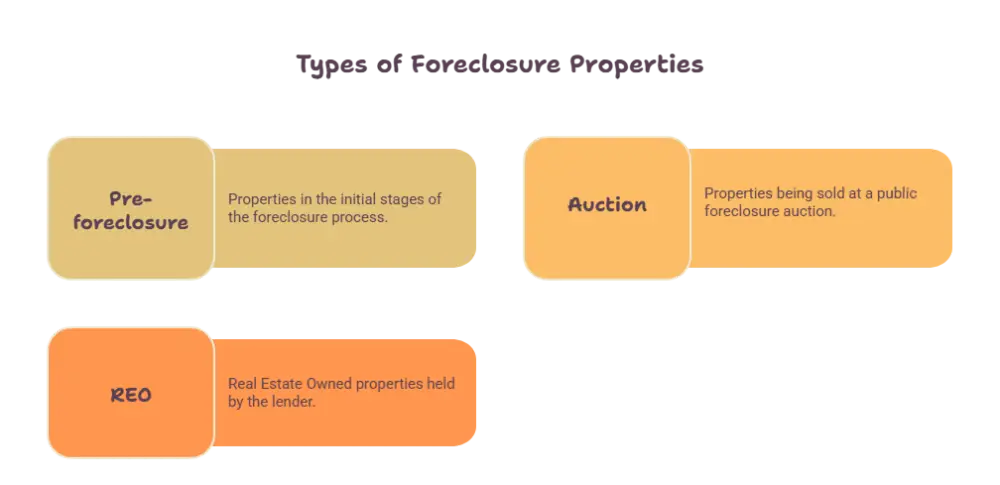
Not every foreclosure is the same. The stage of the process changes how you buy, what you can inspect, and how much risk you take on.
Properties Facing Foreclosure
At this stage, the owner has fallen behind on payments, but the home has not been taken yet. The owner may still be living there.
Buying at this point usually means negotiating directly with the homeowner or their lender. It requires patience and clear communication.
Auction Properties
When the owner cannot resolve the debt, the home goes to a public auction. These sales move quickly and follow strict rules.
Auction buyers often cannot enter the home beforehand. That makes outside research very important.
Bank Owned Properties
If the home does not sell at auction, the lender takes ownership. These are often called REO properties, short for real estate owned.
Bank owned homes are usually listed with real estate agents. They tend to be the easiest type of foreclosure for beginners.
Why Buyers Look at Foreclosures
Foreclosures attract attention for good reasons. Here are the main benefits buyers talk about.
- Sellers are often motivated to close quickly
- Many homes have strong renovation potential
- Listings include a wide range of locations and property styles
- Bank owned homes often come with a clearer sales process
These advantages make foreclosures appealing to families, investors, and renovators alike.
Risks You Should Understand
Foreclosures are not always simple. Knowing the risks upfront protects you from painful surprises.
Many foreclosed homes are sold as is. That means the seller will not fix problems before the sale.
Some properties have been vacant for months. Vacant homes can develop plumbing leaks, mold, pest issues, or electrical damage.
Legal complications can also appear. Unpaid liens or title problems may follow the property if they are not cleared properly.
Careful research is your best protection.
How to Buy a Foreclosure Step by Step
A clear process keeps you organized and calm. Follow these stages in order.
Get Your Documents Ready
Start by speaking with a lender or mortgage professional. Lender approval shows sellers that you are a serious buyer.
Gather your identification, income records, and bank statements. Having everything ready saves valuable time.
Auction sales often require quick action, so preparation matters.
Find Foreclosure Listings
Foreclosure listings appear in several places. Knowing where to look expands your options.
- Local real estate agents who specialize in foreclosures
- Government housing agency listings
- County courthouse notices
- Lender websites that list bank owned homes
- Public auction announcements
Check these sources regularly. New listings appear often and move fast.
Research the Property
Look beyond the photos. Learn as much as possible about the home and the neighborhood.
Check the property’s history, tax records, and ownership details. Visit the area at different times of day to see how it feels.
Drive past the home and note the exterior condition. Roof, windows, and landscaping can reveal a lot.
Inspect the Home
Whenever access is allowed, hire a licensed inspector. A professional can spot hidden problems that you might miss.
Pay special attention to the foundation, roof, plumbing, electrical system, and heating and cooling systems.
If you cannot enter the home, factor that uncertainty into your decision. Be honest with yourself about the risk.
Check the Title and Liens
A title search confirms who legally owns the property. It also reveals any claims against it.
Unpaid taxes, contractor claims, or second mortgages can complicate your purchase. A title company or attorney can guide you through this step.
Never skip this stage. A clean title protects your future ownership.
Submit Your Offer
For bank owned homes, your agent submits an offer to the lender. Expect a response that may take a little time, since lenders follow internal approval steps.
At auctions, you participate directly in the sale. Know the rules, deadlines, and payment requirements before you arrive.
Stay calm and stick to your plan. Emotional decisions rarely end well.
Close the Sale
After your offer is accepted, the closing process begins. You will review and sign legal documents, and the title transfers to you.
Ask questions if anything feels unclear. A good agent or attorney will walk you through each document.
Once everything is complete, you receive the keys.
Common Mistakes to Avoid
Even experienced buyers make errors. Avoid these common pitfalls.
- Skipping the home inspection when access is available
- Ignoring title issues until it is too late
- Rushing into an auction without reading the rules
- Underestimating repair needs
- Working alone without professional guidance
Slowing down and doing your homework prevents most of these problems.
Build the Right Support Team
You do not have to handle this journey alone. The right professionals make the process smoother and safer.
A real estate agent with foreclosure experience can find listings and guide your offer. A real estate attorney can review contracts and title documents.
A licensed inspector helps you understand the true condition of the home. A trusted contractor can estimate repair needs before you commit.
Strong support leads to stronger decisions.
Conclusion
Buying a foreclosure can be a rewarding path to homeownership or investment. It requires patience, research, and careful planning.
Understand the types of foreclosures, inspect whenever possible, verify the title, and build a reliable team around you. With the right preparation, this foreclosure buying guide becomes your roadmap to a confident purchase.
Take it one stage at a time, and you will be ready when the right property appears.
FAQs
What is a foreclosure?
A foreclosure is a legal process where a lender takes control of a property after the homeowner stops making mortgage payments. The home is then sold to recover the unpaid loan.
Can I inspect a foreclosed home before buying it?
It depends on the type of sale. Bank owned homes usually allow inspections, while auction properties often do not allow interior access before the sale.
What does buying a home as is mean?
Buying as is means the seller will not make repairs or fix problems before the sale. You accept the home in its current condition, so a thorough inspection is very important.
Do I need a real estate agent to buy a foreclosure?
You are not always required to use one, but an experienced agent can help you find listings, understand the process, and handle paperwork. This is especially helpful for bank owned homes.
What is a title search and why does it matter?
A title search checks public records to confirm who owns a property and whether any liens or legal claims exist. It protects you from inheriting problems that could affect your ownership.