Buying or selling a property can feel overwhelming, especially when you are new to the process. Terms like escrow, contingency, and title search can leave anyone confused.
That is why we put together these Real Estate FAQs. Whether you are a first time buyer, a seller getting ready to list, or just curious, this guide covers the questions people ask most.
Read on for simple explanations you can use right away.
Real Estate Basics Explained
What does a real estate agent actually do?
A real estate agent guides you through the entire transaction. They help you find or market a property, negotiate offers, and manage deadlines.
Agents also connect you with other professionals, such as inspectors and attorneys. Their experience can save you from common mistakes.
Do I need an agent to buy or sell?
You are not required to use one. Some people handle a transaction on their own.
However, the process involves contracts, disclosures, and legal timelines. An agent helps you stay organized and avoid delays.
What is the difference between a buyer’s agent and a seller’s agent?
A buyer’s agent represents the person purchasing the property. Their job is to protect the buyer’s interests and help them find the right fit.
A seller’s agent represents the owner. They focus on marketing the property and securing strong offers.
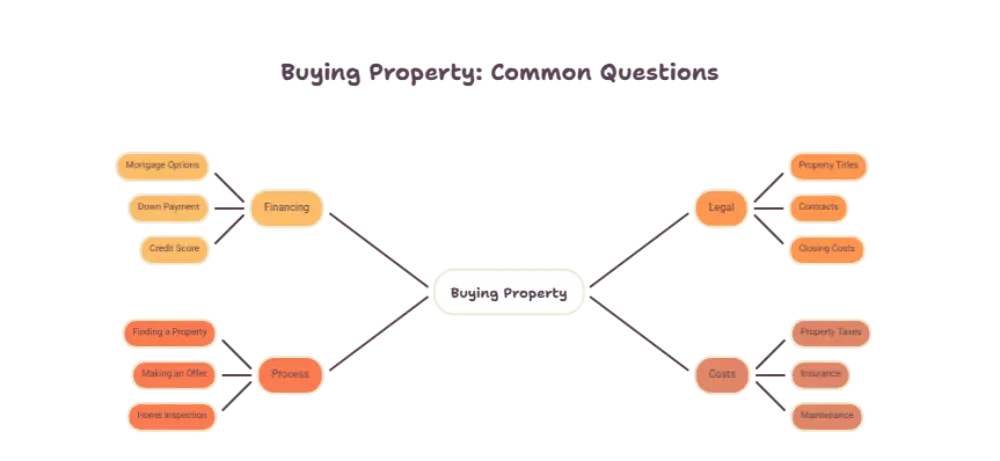
Buying Property: Common Questions
How do I know when I am ready to buy?
You are likely ready when your finances are stable and your plans are clear. Ask yourself a few simple questions:
- Do I plan to stay in this area for several years?
- Is my income steady?
- Do I understand the responsibilities of owning a property?
If the answers feel solid, you are in a good position to start looking.
What does pre approval mean?
Pre approval is a lender’s written confirmation that you qualify to borrow up to a certain amount. It shows sellers that you are a serious buyer.
It also helps you understand what kind of property you can realistically pursue before you start visiting homes.
What should I look for during a property viewing?
Look beyond the paint and decor. Focus on the things that are harder to change.
- Signs of water damage or mold
- The condition of the roof, windows, and floors
- Natural light and ventilation
- Noise levels and the surrounding neighborhood
Take notes and photos so you can compare properties later.
What is a home inspection and why does it matter?
A home inspection is a detailed review of a property’s condition by a licensed professional. The inspector checks the structure, plumbing, electrical systems, and more.
The report can reveal hidden problems before you commit. You can then ask for repairs, adjust your offer, or walk away.
Selling Property: Common Questions
How do I prepare my home for sale?
First impressions matter. A clean, clutter free space helps buyers picture themselves living there.
Here are a few simple ways to get ready:
- Declutter every room
- Make small repairs, such as loose handles or leaking taps
- Improve curb appeal with a tidy entrance and garden
- Take bright, high quality photos
How long does a sale usually take?
The timeline varies depending on location, demand, and the condition of the property. Some homes attract offers quickly, while others take longer.
Once an offer is accepted, the closing process often takes several weeks. Your agent can give you a realistic estimate for your area.
What documents will I need?
Sellers typically gather ownership papers, property disclosures, and records of any repairs or improvements. Utility details and tax records may also be requested.
Having these ready early keeps the process smooth and builds trust with buyers.
Understanding the Process and Paperwork
What happens between an accepted offer and closing?
This stage is often called the escrow period. During this time, several important tasks take place.
The buyer arranges financing and schedules inspections. A title search is completed, and both sides review the final documents.
Closing happens when everything is signed and ownership officially transfers.
What is a title search?
A title search checks public records to confirm who legally owns the property. It also looks for liens, claims, or disputes that could affect the sale.
A clear title protects the buyer from unexpected legal trouble in the future.
What are contingencies?
Contingencies are conditions written into the contract that must be met for the sale to go forward. Common examples include a satisfactory inspection and approved financing.
If a condition is not met, the buyer may be able to renegotiate or cancel without penalty. They protect both sides when used correctly.
Renting and Investing Questions
Is renting or owning better?
There is no single right answer. It depends on your lifestyle, your goals, and how long you plan to stay in one place.
Renting offers flexibility, while owning offers stability and control over your space. Think about where you want to be in the coming years.
What should new investors understand first?
Start with education. Learn how local demand works, what tenants look for, and what legal responsibilities landlords carry.
Choose locations carefully and work with trusted professionals. A well informed investor makes calmer, smarter decisions.
Conclusion
Real estate does not have to be confusing. Once you understand the basic steps and terms, the process becomes much easier to manage.
Use these Real Estate FAQs as a starting point, and keep asking questions along the way. The more you know, the more confident you will feel at every stage.
When you are ready to move forward, speak with a qualified local professional who can guide you based on your situation.
FAQs
What are the most common real estate FAQs for first time buyers?
First time buyers usually ask about pre approval, home inspections, and how the closing process works. They also want to know how to choose the right location and what documents they need to prepare.
How long does it take to close on a property?
Most closings take several weeks after an offer is accepted. The exact timing depends on financing, inspections, and how quickly all parties complete their paperwork.
Do I need a lawyer when buying or selling a home?
Requirements vary by location. Even where it is optional, a lawyer can review contracts and protect your interests, especially if the transaction has complex terms.
What is the difference between pre approval and pre qualification?
Pre qualification is a quick estimate based on information you provide. Pre approval involves a deeper review by a lender and carries more weight with sellers.
Can I back out of a purchase after making an offer?
It depends on the contract. If your offer includes contingencies, such as inspection or financing conditions, you may be able to withdraw if they are not met. Always review the terms with your agent first.