Should you buy or rent? It is one of the biggest financial and lifestyle questions many people face, and there is no single right answer for everyone. Your decision depends on your goals, your stage of life, and how much flexibility you want. This guide breaks down everything you need to think about before making your choice.
- Understanding the Core Difference Between Buying and Renting
- Lifestyle Factors to Consider
- Emotional and Psychological Factors
- Market and Location Considerations
- Long Term Goals and Future Plans
- Environmental and Practical Considerations
- How to Decide What Is Right for You
- Conclusion
- Frequently Asked Questions
Understanding the Core Difference Between Buying and Renting
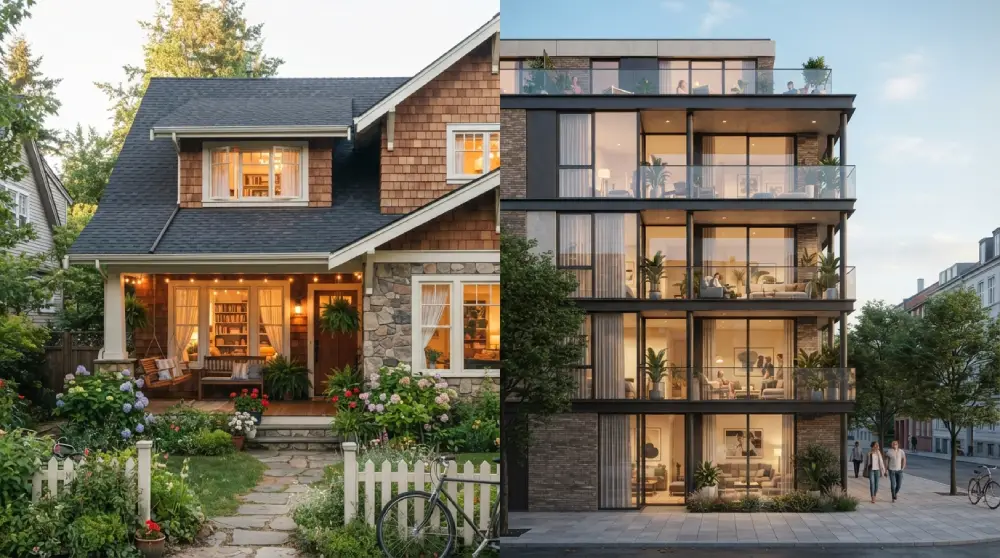
Buying means you own the property. You are responsible for maintenance, taxes, and long term upkeep, but you also build equity over time.
Renting means you are paying for the right to live somewhere without owning it. Maintenance and major repairs are typically handled by the landlord or property manager.
Both paths offer stability, just in different ways. Understanding what each option truly means helps you evaluate which one fits your current life stage.
Ownership and Equity
When you buy, every payment contributes toward something you own. Over time, this can turn into a valuable asset.
Flexibility and Freedom
Renting offers more freedom to relocate. If your job, family situation, or lifestyle changes often, renting can feel less restrictive.
Lifestyle Factors to Consider
Your lifestyle plays a huge role in determining whether buying or renting suits you better.
Career Stability
If you expect to stay in one place for several years, buying may make more sense. If your career involves frequent moves, renting offers more adaptability.
Family Planning
Growing families often look for more permanent, stable environments. Buying can provide that sense of long term rootedness.
Desire for Customization
Owning a home allows you to renovate, decorate, and modify the space however you like. Renting usually comes with restrictions on major changes.
Emotional and Psychological Factors
Beyond logistics, buying or renting also affects your mindset and sense of security.
Sense of Stability
Owning a home can create a feeling of permanence and long term belonging.
Reduced Stress From Maintenance
Renters often enjoy peace of mind since repairs and upkeep are usually not their responsibility.
Pride of Ownership
Many people feel a strong sense of accomplishment and pride when they own their home.
Market and Location Considerations
Your local housing market conditions can heavily influence your decision.
Neighborhood Growth Potential
Some areas grow rapidly in value, making ownership appealing for long term residents.
Availability of Rental Options
In some cities, rental properties are abundant and offer great amenities, making renting a convenient and comfortable choice.
Local Regulations
Every region has different rules regarding property ownership and tenant rights. Understanding these regulations can help you make a more informed decision.
Long Term Goals and Future Plans
Thinking ahead is essential when choosing between buying and renting.
Building Long Term Wealth
Homeownership can be part of a long term wealth building strategy, since property values often appreciate over time.
Preparing for Life Transitions
If you anticipate major life changes such as career shifts, further education, or relocation, renting may offer more adaptability during those transitions.
Retirement Planning
Some people choose to buy early so their home is fully theirs by the time they retire, creating long term security.
Environmental and Practical Considerations
Practical day to day living also matters when weighing your options.
Space Requirements
Buying allows you to choose a home that matches your exact space needs, especially if you plan to expand your family or work from home.
Commute and Accessibility
Renting can offer more flexibility to live closer to work, school, or public transportation.
Community and Amenities
Many rental communities offer shared amenities like gyms, pools, or coworking spaces, which can enhance your daily lifestyle.
How to Decide What Is Right for You
Making the right decision requires honest self reflection about your goals, needs, and future plans.
Assess Your Long Term Vision
Think about where you see yourself in the next several years. Stability may favor buying, while uncertainty may favor renting.
Evaluate Your Comfort With Responsibility
Homeownership comes with maintenance duties. If you prefer a hands off lifestyle, renting might suit you better.
Consider Your Desired Lifestyle
Your daily routine, work situation, and personal preferences all play a role in shaping the right choice for you.
Conclusion
So, should you buy or rent? The answer depends entirely on your personal circumstances, lifestyle preferences, and long term goals. Buying offers stability, equity, and a sense of permanence, while renting offers flexibility, simplicity, and freedom from maintenance responsibilities. Take time to reflect on your priorities, evaluate your future plans, and choose the option that aligns best with the life you want to build.
Frequently Asked Questions
What is the biggest advantage of buying a home?
The biggest advantage is building long term equity, since your payments contribute toward an asset you own.
What is the biggest advantage of renting?
Renting offers flexibility and freedom, making it easier to relocate or adjust your living situation as your life changes.
Is renting a waste of money?
Not at all. Renting provides convenience, flexibility, and freedom from maintenance responsibilities, which can be valuable depending on your lifestyle.
How do I know if I am ready to buy a home?
You may be ready if you desire long term stability, want to build equity, and feel comfortable taking on maintenance responsibilities.
Can lifestyle changes affect the decision to buy or rent?
Yes. Career shifts, family planning, and relocation plans can all influence whether buying or renting is the better choice for you.