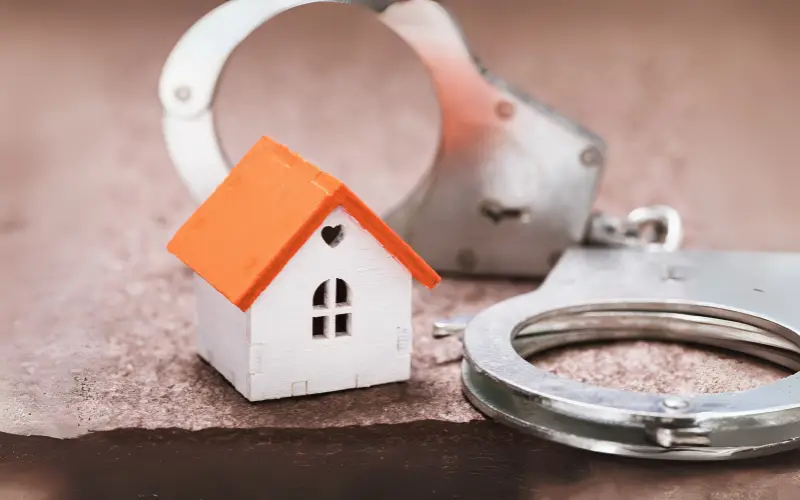
Real estate transactions often involve significant financial investments, making them a prime target for fraudsters. Real estate fraud can take many forms, from title fraud to phishing schemes, and the consequences can be financially and emotionally devastating. However, by understanding the risks and taking proactive steps, you can safeguard yourself and your property from potential scams. This article outlines key strategies to protect yourself from real estate fraud and ensure your investments remain secure.
Understanding Real Estate Fraud
Real estate fraud refers to any deceptive activity intended to steal money, property, or sensitive information during a real estate transaction. Common types of real estate fraud include:
- Title Fraud: Fraudsters steal your identity and use it to transfer your property title into their name, then secure loans against your property.
- Mortgage Fraud: This involves falsifying information on a mortgage application to obtain a loan that the applicant does not qualify for or manipulating lenders into approving fraudulent transactions.
- Foreclosure Fraud: Scammers target homeowners facing foreclosure, promising to “save” their home in exchange for a fee or signing over the deed.
- Wire Fraud: Hackers intercept real estate transactions and trick buyers into wiring funds to fraudulent accounts.
- Rental Scams: Fraudsters pose as landlords to collect deposits or rent for properties they don’t own or have no right to rent out.
Key Strategies to Protect Yourself
Verify the Legitimacy of All Parties Involved
Always verify the identities of real estate agents, brokers, attorneys, and anyone else involved in the transaction. Look up their licenses and credentials through state or national regulatory agencies. Avoid working with individuals or entities that cannot provide clear proof of legitimacy.
Use a Reputable Title Company
Title companies play a critical role in ensuring the legality of a real estate transaction. Work with well-established title companies that can thoroughly verify the ownership and status of the property. They’ll conduct a title search to ensure no undisclosed liens or encumbrances exist.
Obtain Title Insurance
Title insurance protects you against financial loss due to defects in the property’s title. This one-time purchase can provide peace of mind and is especially crucial if any disputes arise over property ownership.
Beware of Unsolicited Offers
Be cautious of unsolicited calls, emails, or offers involving real estate opportunities. Scammers often pressure potential victims with high-pressure tactics, such as “limited-time offers” or “guaranteed profits.” If an offer seems too good to be true, it probably is.
Secure Your Personal Information
Identity theft is a common precursor to real estate fraud. Protect your personal and financial information by:
- Using secure passwords for online accounts.
- Avoiding public Wi-Fi for sensitive transactions.
- Regularly monitoring your credit report for suspicious activity.
Double-Check Wire Instructions
Wire fraud is one of the most common forms of real estate scams. To avoid becoming a victim:
- Verify wire instructions verbally with your real estate agent or title company.
- Be wary of emails requesting changes to wiring instructions, as these are often fraudulent.
- Always confirm the recipient’s bank details before initiating the transfer.
Inspect Property Records Regularly
Monitor your property records to ensure no unauthorized changes have been made to your title. Many local government websites allow you to check this information online. If your jurisdiction offers property fraud alerts, sign up for them to receive notifications of any suspicious activity.
Educate Yourself on Local Scams
Stay informed about the latest real estate scams in your area. Local law enforcement agencies, consumer protection bureaus, and real estate associations often provide updates and warnings about new fraud schemes.
Warning Signs of Real Estate Fraud
Being aware of red flags can help you detect and avoid scams before they cause harm. Look out for:
- Unusually Low Prices: Scammers often list properties at unrealistically low prices to attract victims.
- Lack of Documentation: A legitimate real estate transaction requires detailed paperwork. Be wary if the seller or agent resists providing standard documents.
- Urgency to Close Quickly: Fraudsters may rush you to close a deal before you have time to review the details thoroughly.
- Requests for Untraceable Payments: Avoid making payments in cash or through untraceable methods like cryptocurrency.
- Inconsistent Information: Cross-check all details provided by the parties involved. Discrepancies in property descriptions, addresses, or seller information are warning signs.
What to Do If You Suspect Fraud
If you believe you’re a victim of real estate fraud or have encountered a scam attempt, take these steps:
Report the Incident: Notify local law enforcement, the FBI’s Internet Crime Complaint Center (IC3), or your state’s real estate regulatory board.
Contact Your Financial Institutions: If money has been stolen, inform your bank or mortgage lender immediately to freeze accounts or reverse unauthorized transactions.
Seek Legal Assistance: Consult an attorney specializing in real estate law to understand your rights and the best course of action.
Alert Others: Warn family, friends, and colleagues to prevent them from falling victim to similar scams.
Conclusion
Protecting yourself from real estate fraud requires vigilance, education, and proactive measures. verifying the legitimacy of all parties, securing your personal information, and staying alert to red flags, you can significantly reduce your risk of falling prey to scams. When in doubt, seek professional advice and always take the time to research thoroughly before making any real estate decisions. Remember, a little caution today can save you from significant losses tomorrow.
Frequently Asked Questions
What is real estate fraud?
Real estate fraud involves deceptive practices like identity theft, forged titles, or false claims during property transactions, aimed at stealing money, property, or sensitive information.
How can I identify a fraudulent real estate deal?
Look for red flags like unrealistically low prices, lack of proper documentation, high-pressure sales tactics, and requests for untraceable payments like cash or cryptocurrency.
Why is title insurance important?
Title insurance protects you from financial losses due to defects in property ownership records, such as undisclosed liens, ensuring peace of mind during transactions.
What steps can I take to avoid wire fraud?
Verify wire transfer details verbally with your real estate agent or title company. Avoid responding to unsolicited email changes in wiring instructions to prevent scams.
What should I do if I suspect real estate fraud?
Report it to law enforcement, notify your financial institution, consult a real estate attorney, and alert others to prevent additional scams. Immediate action minimizes damage.