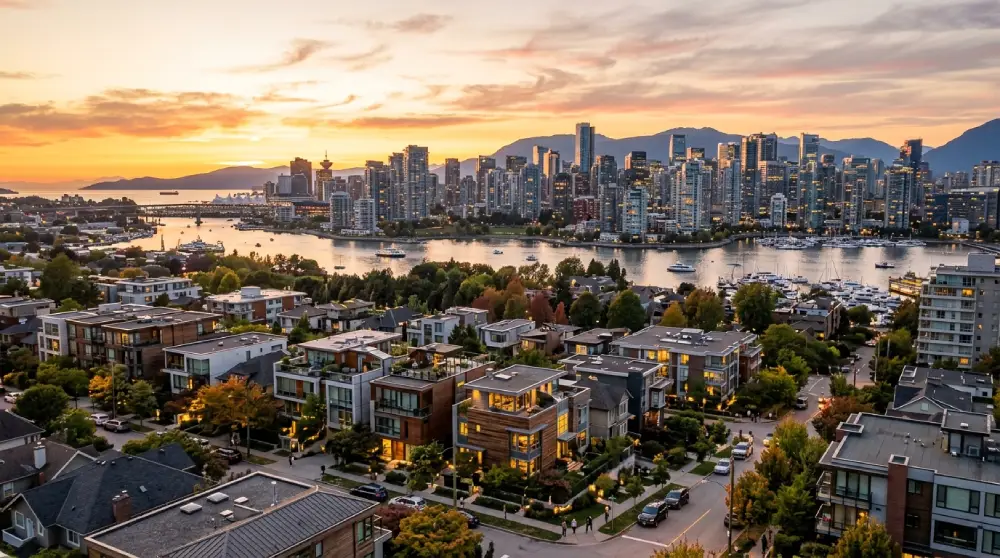
Choosing the right location is the single most important decision any real estate investor makes, and finding the best cities to buy investment property can shape your returns for years to come. Every market has its own rhythm, driven by job growth, population shifts, and lifestyle trends, and understanding these patterns helps investors identify places where demand is likely to stay strong. This guide walks through what makes a city attractive for investment, which regions are drawing the most attention right now, and how to evaluate any market before committing to it.
What Makes a City Ideal for Real Estate Investment
Not every growing city is automatically a smart investment choice. Certain fundamentals tend to separate long term winners from short lived trends.
Strong Job and Population Growth
Cities that consistently attract new employers tend to see steady population inflow. When companies relocate offices or expand operations, they bring workers who need housing, which naturally strengthens rental demand and long term property value.
Landlord Friendly Regulations
Local laws around leasing, evictions, and property management can heavily influence how smoothly an investment performs. Markets with balanced, predictable regulations give investors more confidence and reduce operational friction.
Growing Rental Demand
A city with a rising renter population, especially among young professionals and relocating families, tends to offer a more stable stream of tenants. This demand is often tied to universities, hospitals, tech hubs, or major transportation centers nearby.
Top Regions Attracting Property Investors

While opportunities exist nationwide, a few regions consistently appear on investor radars due to sustained growth patterns.
Sunbelt Cities
Southern and southwestern metro areas continue to see strong migration trends thanks to warmer climates, expanding job markets, and business friendly environments. Cities in this region often benefit from younger populations and diverse industries, which supports long term rental stability.
Midwest Markets
Midwestern cities are gaining attention for their strong sense of community, reliable infrastructure, and steady economic base built around healthcare, education, and manufacturing. These markets tend to offer more predictable, less volatile growth curves.
Emerging Secondary Cities
Beyond the well known metros, many secondary cities are experiencing rapid transformation as remote work and lifestyle preferences shift. These areas often have expanding downtown cores, new residential developments, and improving public amenities that make them increasingly appealing to renters.
Key Factors Beyond Location
Even within a strong city, certain neighborhood level details can make or break an investment.
Infrastructure and Connectivity
Access to highways, public transit, and airports plays a major role in how desirable a neighborhood feels to renters. Areas undergoing infrastructure upgrades often see property demand rise well before construction is complete.
School Districts and Amenities
Families searching for rental homes frequently prioritize school quality, parks, and nearby retail or dining options. Strong school districts tend to keep rental demand consistent, even during broader market slowdowns.
Climate and Livability
Weather patterns, walkability, and overall quality of life influence how long tenants choose to stay in a city. Markets that offer a comfortable year round lifestyle often see lower tenant turnover, which benefits investors seeking long term stability.
How to Evaluate a City Before Investing
Every investor should build a simple evaluation framework before choosing where to invest.
Research Local Economic Trends
Look into which industries are expanding in a city and whether major employers have announced new investments or relocations. A diversified economy tends to be more resilient during downturns.
Study Rental Demand Patterns
Understanding vacancy trends, renter demographics, and seasonal demand shifts can help investors anticipate how a property will perform throughout the year.
Understand Local Regulations
Zoning rules, permit requirements, and rental regulations vary widely between cities. Reviewing these details early helps investors avoid unexpected complications after purchase.
Conclusion
Identifying the best cities to buy investment property comes down to understanding long term growth drivers rather than chasing short term trends. Job creation, population movement, infrastructure development, and lifestyle appeal all play a role in determining which markets will continue attracting renters and homeowners alike. researching these fundamentals carefully, investors can make more confident, informed decisions that support sustainable growth over time.
Frequently Asked Questions
What factors matter most when choosing a city for real estate investment?
Job growth, population trends, rental demand, and local regulations are among the most important factors to evaluate before investing in any city.
Are secondary cities a good option for investors?
Yes, many secondary cities are seeing rapid growth due to remote work trends and improving infrastructure, making them increasingly attractive to investors.
How important is school quality when evaluating rental markets?
School quality strongly influences long term rental demand, especially among families, and often supports steady occupancy rates.
Do landlord friendly regulations really impact investment success?
Yes, clear and balanced rental regulations make property management smoother and reduce uncertainty for investors.
Why is population growth considered a key investment indicator?
Rising population typically signals stronger housing demand, which supports both rental income potential and long term property appreciation.