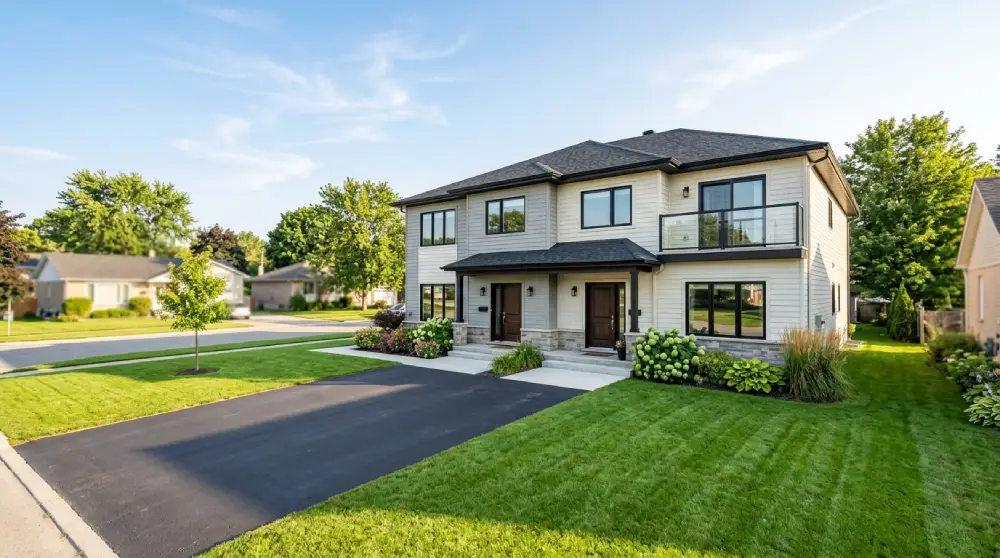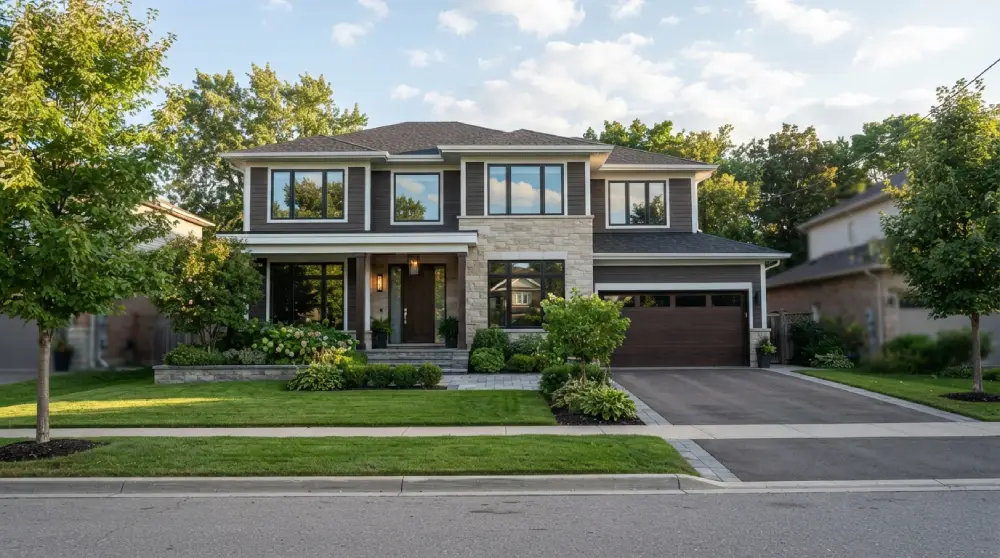
A vacation rental investment guide helps you understand what it truly takes to buy, manage, and grow a profitable short term rental property. Whether you are a first time investor or expanding an existing portfolio, this guide walks you through the practical steps involved in building a successful vacation rental business.
- Why Vacation Rental Investments Are Gaining Popularity
- Choosing the Right Location
- Types of Vacation Rental Properties
- Understanding Rental Income Potential
- Legal and Regulatory Considerations
- Preparing Your Property for Guests
- Managing Your Vacation Rental
- Marketing Your Vacation Rental
- Risks to Consider Before Investing
- Building a Long Term Vacation Rental Strategy
- Conclusion
- Frequently Asked Questions
Why Vacation Rental Investments Are Gaining Popularity
Travelers today prefer unique, home style stays over traditional hotel rooms. This shift in traveler behavior has opened new opportunities for property owners to earn consistent income through platforms like Airbnb and Vrbo.
Vacation rentals also offer flexibility. Owners can use the property personally during off seasons while renting it out the rest of the year.
Growing Demand for Unique Stays
Modern travelers value authenticity. They want to experience local culture, cook their own meals, and enjoy more space than a typical hotel room offers.
Flexibility and Personal Use
Unlike other real estate investments, vacation rentals allow owners to enjoy the property themselves. This dual benefit of income generation and personal use makes it an attractive option for many investors.
Choosing the Right Location

Location is one of the most important factors influencing the success of a vacation rental. A property in a high demand tourist area will naturally attract more bookings.
Researching Tourist Demand
Look for destinations with year round or seasonal tourist activity. Coastal towns, mountain retreats, and cities with cultural attractions tend to perform well.
Understanding Local Regulations
Some cities restrict or heavily regulate short term rentals. Before purchasing a property, research local zoning laws, licensing requirements, and homeowner association rules.
Proximity to Attractions
Properties located near beaches, hiking trails, entertainment venues, or business districts tend to see higher occupancy rates throughout the year.
Types of Vacation Rental Properties
Different property types suit different investment goals. Understanding these options helps you choose a property that aligns with your strategy.
Single Family Homes
These properties appeal to families and groups looking for privacy and extra space. They often generate higher nightly rates due to added amenities like private pools or yards.
Condominiums and Apartments
Condos are easier to maintain and often located in prime tourist areas. They can be a good entry point for new investors seeking lower maintenance responsibilities.
Cabins and Unique Stays
Unique properties such as cabins, tiny homes, or treehouses stand out on rental platforms. Their novelty often leads to higher engagement and repeat bookings.
Understanding Rental Income Potential
Before investing, it is essential to evaluate how much income a property can realistically generate. This involves studying occupancy trends, seasonal demand, and guest reviews of similar properties nearby.
Seasonal Demand Patterns
Some destinations experience peak seasons followed by slower months. Understanding these patterns helps you plan marketing efforts and manage expectations throughout the year.
Occupancy Rate Analysis
Reviewing historical occupancy data for similar properties in the area gives insight into realistic performance expectations.
Legal and Regulatory Considerations
Every vacation rental market has its own set of rules. Ignoring these regulations can lead to fines or even forced closure of your rental.
Licensing and Permits
Many cities require short term rental owners to obtain specific licenses or permits before listing their property.
Tax Obligations
Vacation rental income is generally taxable. It is wise to consult a tax professional familiar with short term rental laws in your area.
Insurance Requirements
Standard homeowner insurance often does not cover short term rental activity. Specialized vacation rental insurance protects against liability and property damage.
Preparing Your Property for Guests
A well prepared property leads to positive reviews and repeat bookings. Guest experience plays a major role in the long term success of your investment.
Furnishing and Design
Comfortable furniture, quality linens, and thoughtful decor create a memorable guest experience. Aim for a clean, welcoming aesthetic that photographs well.
Essential Amenities
Reliable Wi Fi, air conditioning, fully equipped kitchens, and parking are amenities guests consistently expect and appreciate.
Safety Features
Smoke detectors, carbon monoxide alarms, fire extinguishers, and secure locks are essential for guest safety and often required by law.
Managing Your Vacation Rental
Effective management determines how smoothly your investment runs. Owners can choose between self management or hiring a professional property manager.
Self Management
Managing the property yourself gives you full control over guest communication, cleaning schedules, and maintenance. It requires time and hands on involvement.
Professional Property Management
A property management company handles bookings, guest communication, cleaning, and maintenance on your behalf. This option suits investors who prefer a more passive approach.
Cleaning and Maintenance Standards
Consistent cleaning and regular maintenance checks help maintain positive reviews and prevent costly repairs down the line.
Marketing Your Vacation Rental
Strong marketing increases visibility and attracts more bookings. A well optimized listing can significantly impact your occupancy rate.
Optimizing Your Listing
High quality photos, a detailed description, and accurate amenity listings help your property stand out on booking platforms.
Leveraging Guest Reviews
Positive reviews build trust with future guests. Encourage satisfied guests to leave feedback and respond professionally to all reviews.
Using Multiple Booking Platforms
Listing your property on several platforms increases exposure and reduces dependency on a single booking channel.
Risks to Consider Before Investing
Like any investment, vacation rentals come with risks. Understanding these challenges helps you prepare and make informed decisions.
Regulatory Changes
Local governments can change short term rental laws with little notice, potentially affecting your ability to operate.
Seasonal Income Fluctuations
Income may vary significantly between peak and off peak seasons, requiring careful financial planning throughout the year.
Property Damage and Guest Behavior
Unpredictable guest behavior can occasionally lead to property damage. Screening guests and setting clear house rules helps minimize this risk.
Building a Long Term Vacation Rental Strategy
Success in vacation rental investing comes from continuous learning and adaptation. Monitoring market trends and guest preferences allows you to refine your approach over time.
Scaling Your Portfolio
Once your first property performs well, you may consider expanding into additional locations or property types to diversify your income sources.
Staying Updated with Industry Trends
The vacation rental industry evolves quickly. Staying informed about new platforms, guest expectations, and regulatory updates keeps your investment competitive.
Conclusion
A successful vacation rental investment requires careful planning, from choosing the right location to preparing your property and managing guest experiences effectively. understanding local regulations, focusing on guest satisfaction, and staying adaptable to market changes, you can build a rewarding and sustainable vacation rental business over time.
Frequently Asked Questions
What is the biggest factor in vacation rental investment success?
Location plays the biggest role, since properties near popular attractions or tourist destinations naturally attract more bookings and higher occupancy.
Do I need a property manager for a vacation rental?
Not necessarily. Many owners self manage successfully, though a property manager can help if you prefer a more passive investment experience.
What amenities do guests expect most in a vacation rental?
Guests commonly expect reliable Wi Fi, air conditioning, a fully equipped kitchen, and comfortable bedding as standard amenities.
Are vacation rentals legal everywhere?
No. Regulations vary widely by city and region, so it is important to research local zoning laws and licensing requirements before investing.
How can I improve guest reviews for my vacation rental?
Focus on cleanliness, clear communication, accurate listing details, and quick responses to guest questions or concerns throughout their stay.