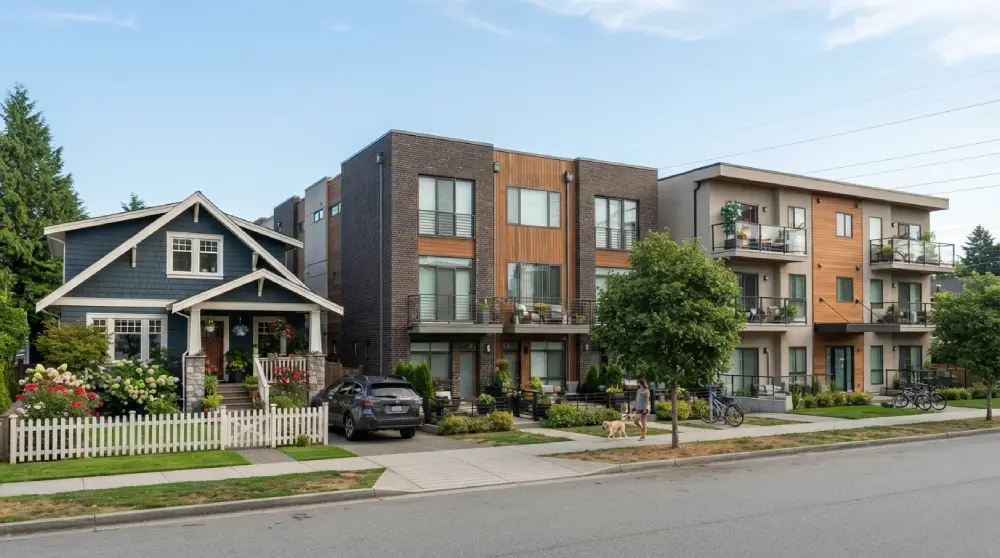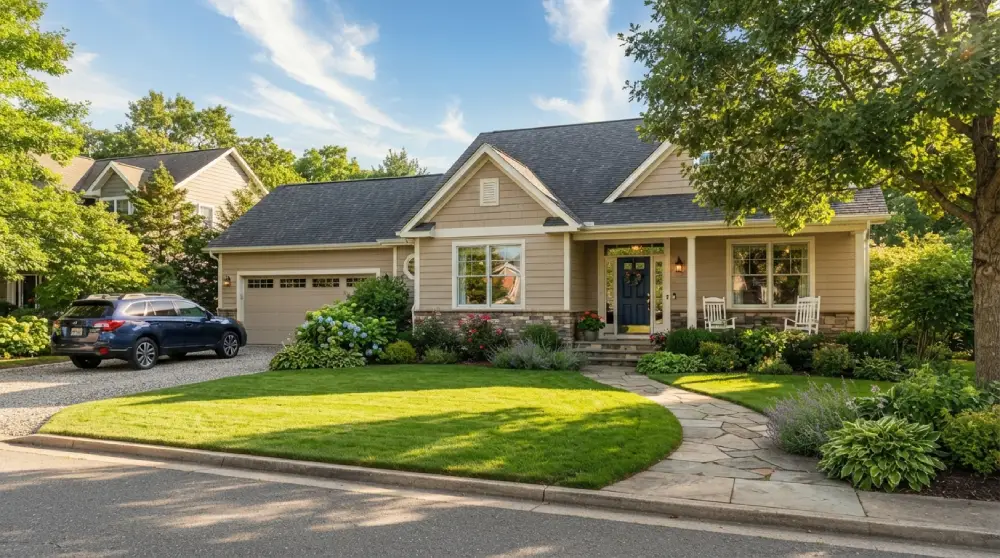
Buying a home is one of the biggest investments most people ever make, and protecting that investment matters just as much as making it. This homeowners insurance guide walks you through the basics so you can understand what your policy covers, why it matters, and how to make informed decisions about protecting your property.
Whether you are a first time buyer or a long time homeowner, understanding your policy can save you stress when the unexpected happens.
- What Is Homeowners Insurance
- Key Components of a Homeowners Policy
- Types of Coverage to Understand
- What Homeowners Insurance Typically Covers
- What Homeowners Insurance Usually Does Not Cover
- How to Choose the Right Policy
- Tips for Filing a Homeowners Insurance Claim
- Maintaining Your Homeowners Policy
- Conclusion
- Frequently Asked Questions
What Is Homeowners Insurance
Homeowners insurance is a type of property insurance that protects your home and belongings against damage or loss. It typically covers the physical structure of your house, personal property inside it, and liability if someone gets injured on your property.
Most mortgage lenders require this coverage before approving a home loan, since it protects their financial interest in the property as well as yours.
Why It Matters
Without insurance, homeowners would be responsible for covering the full cost of repairs or rebuilding after events like fires, storms, or theft. A solid policy provides peace of mind and financial protection during difficult times.
Key Components of a Homeowners Policy

A typical policy is made up of several parts working together to provide comprehensive protection.
Dwelling Coverage
This portion covers the physical structure of your home, including walls, roof, and foundation, in case of damage from covered events such as fire or windstorms.
Personal Property Coverage
Personal property coverage protects your belongings, from furniture and electronics to clothing and appliances, if they are damaged, destroyed, or stolen.
Liability Protection
Liability coverage helps protect you financially if someone is injured on your property and decides to take legal action. It can also cover damage you accidentally cause to someone else’s property.
Additional Living Expenses
If your home becomes temporarily uninhabitable due to a covered event, this part of the policy can help pay for temporary housing and related costs while repairs are underway.
Types of Coverage to Understand
Not all homeowners policies are created equal. Understanding the different types of coverage available helps you choose what fits your needs.
Actual Cash Value
This method calculates the value of your belongings after factoring in depreciation. It generally results in a lower payout compared to other valuation methods.
Replacement Cost Value
This approach covers the cost of replacing damaged items with new ones of similar kind and quality, without deducting for depreciation.
Guaranteed Replacement Cost
Some policies offer guaranteed replacement cost coverage, which pays to rebuild your home even if the cost exceeds your policy limit. This can be especially useful during times when construction costs rise unexpectedly.
What Homeowners Insurance Typically Covers
Understanding what is included in a standard policy helps you know what to expect when filing a claim.
Natural Disasters and Weather Events
Most standard policies include protection against fire, windstorms, hail, and lightning. However, certain events like floods and earthquakes often require separate policies.
Theft and Vandalism
If your home is broken into or vandalized, your policy can help cover the cost of stolen items and repairs to damaged property.
Accidental Damage
Everyday accidents, such as a burst pipe or an appliance malfunction that causes water damage, are often covered as well.
What Homeowners Insurance Usually Does Not Cover
It is equally important to understand the limitations of your policy so there are no surprises later.
Flooding
Standard homeowners policies typically exclude flood damage. Homeowners in flood prone areas often need a separate flood insurance policy.
Earthquakes
Like flooding, earthquake damage is usually not included in standard coverage and requires an additional policy in many regions.
Normal Wear and Tear
Insurance is designed to cover sudden and accidental damage, not gradual deterioration from age or lack of maintenance.
How to Choose the Right Policy
Selecting the right homeowners insurance policy involves more than just picking the first option available. It requires understanding your unique needs and property details.
Assess Your Home’s Value
Knowing the true value of your home and belongings helps ensure you choose adequate coverage limits.
Review Your Location’s Risks
Consider the natural risks common to your area, such as hurricanes, wildfires, or heavy snowfall, and make sure your policy accounts for them.
Understand Policy Exclusions
Carefully read through what your policy does not cover so you are not caught off guard during a claim.
Consider Additional Endorsements
Endorsements, also known as riders, allow you to add extra protection for specific items or situations not included in a standard policy, such as jewelry or home businesses.
Tips for Filing a Homeowners Insurance Claim
Knowing how to properly file a claim can make the process smoother and faster.
Document the Damage
Take photos and videos of the damage as soon as it is safe to do so. This documentation supports your claim and speeds up processing.
Contact Your Insurance Provider Promptly
Reach out to your insurer as soon as possible after an incident to begin the claims process and understand what information is needed.
Keep Records of Communication
Maintain a record of all conversations, emails, and documents related to your claim in case you need to reference them later.
Work with an Adjuster
An insurance adjuster will typically inspect the damage and help determine the payout amount. Being present during this inspection can help ensure accuracy.
Maintaining Your Homeowners Policy
Homeowners insurance is not something you set once and forget. Regular reviews help ensure your coverage keeps pace with your life.
Update Coverage After Renovations
If you renovate or add value to your home, update your policy to reflect these changes so you remain adequately covered.
Reassess After Major Purchases
New valuable items like electronics, art, or jewelry may require additional coverage beyond standard limits.
Review Annually
An annual review of your policy ensures it still matches your needs and reflects any changes in your home or lifestyle.
Conclusion
Understanding homeowners insurance does not have to be complicated. learning the key components, coverage types, and common exclusions, you can make confident decisions about protecting your home and belongings. Regularly reviewing your policy and understanding the claims process ensures you are prepared for whatever comes your way. A well informed homeowner is a well protected homeowner.
Frequently Asked Questions
What does homeowners insurance typically cover?
Homeowners insurance generally covers the structure of your home, personal belongings, liability protection, and additional living expenses if your home becomes uninhabitable due to a covered event.
Is flood damage covered under a standard homeowners policy?
No, flood damage is usually excluded from standard homeowners insurance policies. Homeowners in flood prone areas typically need a separate flood insurance policy.
How is replacement cost different from actual cash value?
Replacement cost covers the expense of replacing damaged items with new ones of similar kind and quality, while actual cash value factors in depreciation, often resulting in a lower payout.
Do I need homeowners insurance if I own my home outright?
While it is not legally required if you have no mortgage, having homeowners insurance is still highly recommended to protect your investment and belongings from unexpected events.
How often should I review my homeowners insurance policy?
It is a good idea to review your policy annually or anytime you make major renovations, purchases, or life changes that could affect your coverage needs.