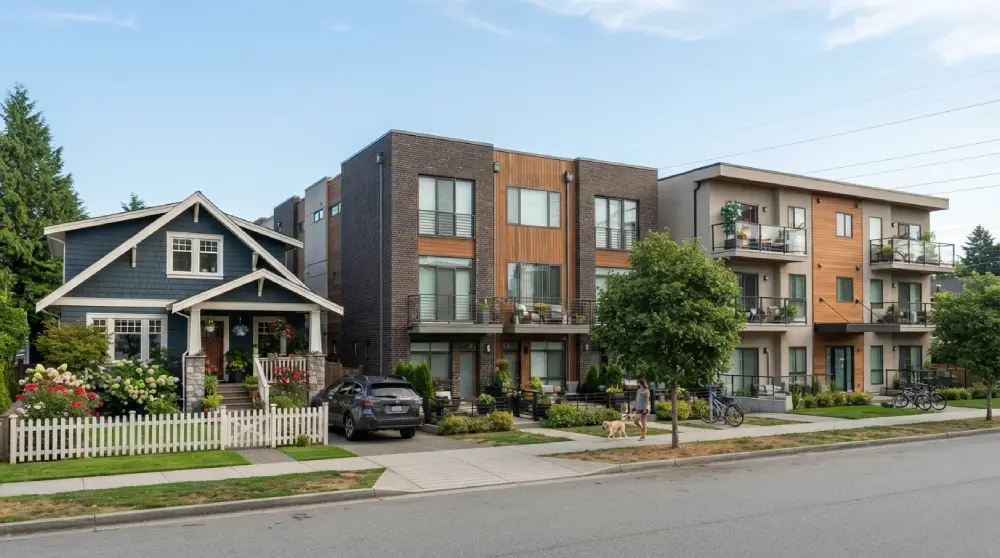
Finding the most affordable cities to buy a home has become a top priority for many buyers today. As remote work reshapes where people choose to live, smaller and mid sized cities are gaining attention for their charm, livability, and welcoming communities. This guide explores what makes these cities stand out and why they deserve a spot on your home buying radar.
- Why Affordability Matters When Choosing a City
- What Makes a City Affordable and Livable
- Regions Known for Affordable Homeownership
- Features to Look for in an Affordable City
- Tips for Evaluating a City Before You Move
- Lifestyle Benefits of Smaller and Mid Sized Cities
- The Growing Appeal of Remote Work Friendly Cities
- How to Start Your Home Search in an Affordable City
- Conclusion
- FAQs
Why Affordability Matters When Choosing a City
Buying a home is one of the biggest decisions a person makes. The city you choose affects your daily life, your commute, your social circle, and even your long term happiness.
Affordability isn’t just about the home itself. It also includes quality of life, access to good schools, healthcare, and community amenities. A city that balances all these factors offers real long term value.
What Makes a City Affordable and Livable

Several factors work together to make a city attractive for home buyers. Understanding these elements can help you evaluate any location with confidence.
Strong Job Market
Cities with diverse industries and steady employment opportunities tend to attract more residents. A healthy job market supports long term stability and community growth.
Growing Infrastructure
Reliable roads, public transportation, and utilities make everyday life easier. Cities investing in infrastructure often see steady population growth and improved services over time.
Access to Nature and Outdoor Spaces
Parks, trails, and green spaces contribute to a better lifestyle. Many affordable cities offer easy access to nature without needing to travel far.
Friendly Community Atmosphere
A welcoming community adds real value beyond the home itself. Local events, farmers markets, and neighborhood gatherings create a strong sense of belonging.
Regions Known for Affordable Homeownership
Certain regions across the country consistently stand out for offering a comfortable lifestyle paired with practical living conditions.
The Midwest
The Midwest is known for its friendly communities, spacious homes, and slower paced lifestyle. Cities in this region often provide excellent schools and strong local economies.
The South
Southern cities are popular for their warm climate and growing job opportunities. Many southern towns have seen rapid development while maintaining a relaxed atmosphere.
Smaller Metro Areas
Smaller metro areas often combine city conveniences with suburban comfort. These areas typically offer shorter commutes and a tighter knit community feel.
Features to Look for in an Affordable City
When exploring options, it helps to focus on specific qualities that indicate long term value.
- Good school districts
- Low crime rates
- Access to healthcare facilities
- Strong public transportation
- Growing local businesses
- Walkable neighborhoods
These features often signal a city that is both livable and promising for future growth.
Tips for Evaluating a City Before You Move
Before settling on a location, take time to research thoroughly. A short visit or virtual exploration can reveal a lot about daily life in that area.
Visit at Different Times of Day
Traffic patterns, noise levels, and neighborhood activity can vary throughout the day. Visiting during mornings and evenings gives a fuller picture.
Talk to Local Residents
Locals can share honest insights about schools, safety, and community events. Their perspective often reveals details that online research misses.
Explore Nearby Amenities
Check the distance to grocery stores, parks, hospitals, and entertainment options. Convenient access to daily needs greatly improves quality of life.
Lifestyle Benefits of Smaller and Mid Sized Cities
Smaller cities often provide a slower pace of life without sacrificing convenience. Many residents enjoy shorter commutes, friendlier neighbors, and a stronger sense of community.
These cities also tend to host local festivals, farmers markets, and seasonal events that bring people together. This creates a warm, connected environment that larger cities sometimes lack.
The Growing Appeal of Remote Work Friendly Cities
As remote work becomes more common, many professionals are choosing cities based on lifestyle rather than proximity to an office. This shift has boosted interest in cities that offer comfortable living, reliable internet, and a peaceful environment.
Remote workers often prioritize walkability, access to cafes, and a strong local culture. These preferences have helped many smaller cities thrive.
How to Start Your Home Search in an Affordable City
Once you identify a few cities that match your lifestyle goals, the next step is exploring available neighborhoods and communities within them.
Working with a local real estate agent can help you understand market trends, school zones, and neighborhood characteristics. Online tools and virtual tours also make it easier to explore options from anywhere.
Conclusion
Choosing among the most affordable cities to buy a home involves more than just finding a nice house. It means considering lifestyle, community, job opportunities, and long term comfort. With thoughtful research and a clear understanding of your priorities, you can find a city that feels like the perfect place to call home.
FAQs
What makes a city considered affordable for homebuyers?
A city is often considered affordable when it offers a balanced cost of living, strong community amenities, and a stable job market that supports long term living comfort.
Are smaller cities better for first time homebuyers?
Smaller cities can be a great option for first time buyers because they often provide a friendly community, manageable pace of life, and easier access to local amenities.
How important is location when choosing an affordable city?
Location plays a major role since it affects commute times, access to schools, healthcare, and overall lifestyle convenience.
Do affordable cities offer good job opportunities?
Many affordable cities have growing industries and diverse job markets, making them attractive for both remote workers and local employees.
What should I research before moving to a new city?
It helps to research schools, safety, community events, transportation options, and nearby amenities to get a complete picture of daily life in that city.