
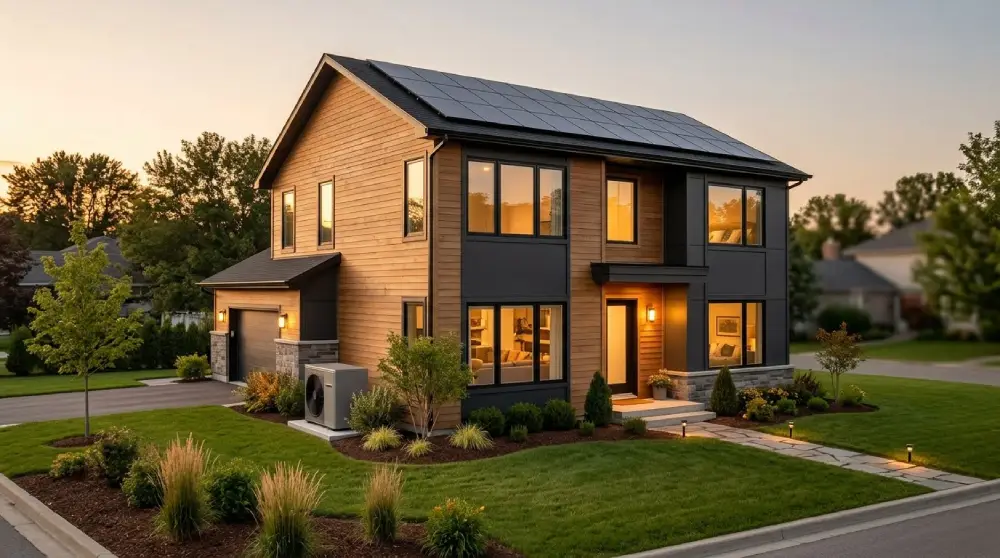
Energy efficient home improvements are one of the smartest ways to make your living space more comfortable, healthier, and kinder to the planet. Whether you own an older house or a newer build, small changes can reduce energy waste in a big way.
This guide walks you through the most effective upgrades, from sealing leaks to choosing smarter appliances. You will learn what each improvement does and why it matters.
- Why Energy Efficient Home Improvements Matter
- Start With a Home Energy Audit
- Seal Air Leaks First
- Upgrade Your Insulation
- Choose Better Windows and Doors
- Modernize Heating and Cooling
- Switch to Efficient Lighting
- Upgrade Appliances and Water Heating
- Consider Renewable Energy Options
- Simple Habits That Support Your Upgrades
- Conclusion
- FAQs
Why Energy Efficient Home Improvements Matter
Homes use energy every hour of the day. Heating, cooling, lighting, and hot water all draw power, and much of it is lost through gaps, thin walls, and outdated equipment.
When you improve efficiency, your home needs less energy to stay comfortable. That means steadier indoor temperatures, fewer cold spots, and a smaller carbon footprint.
Efficient homes are also more attractive to future buyers. People increasingly look for properties that perform well and feel good to live in.
Start With a Home Energy Audit
Before you change anything, find out where your home loses energy. An energy audit gives you a clear picture so you can focus on upgrades that matter most.
A professional auditor will inspect your insulation, windows, ductwork, and appliances. Many use thermal cameras to reveal hidden heat loss behind walls and ceilings.
You can also do a basic check yourself. Walk through each room on a windy day and feel for drafts near windows, doors, outlets, and vents.
Seal Air Leaks First
Air leaks are among the most common causes of wasted energy. Warm air escapes in winter, hot air sneaks in during summer, and your heating and cooling systems work harder than they should.
Sealing leaks is a simple task that delivers noticeable comfort. It also makes every other upgrade perform better.
Weatherstripping and Caulking
Weatherstripping works well around doors and operable windows. It creates a flexible seal that closes the gap when the door or window is shut.
Caulk is ideal for fixed gaps, such as where window frames meet walls. Check around pipes, vents, and cables that pass through exterior walls too.
Hidden Gaps in the Attic and Basement
Many leaks hide in places you rarely see. Look at attic hatches, recessed light fixtures, and the spaces where plumbing enters the house.
Expanding foam and sealing tape can close these openings. Treat every gap, even the small ones, because they add up quickly.
Upgrade Your Insulation
Insulation acts like a warm blanket for your house. It slows the movement of heat, keeping interiors warm in winter and cool in summer.
Older homes often have thin or settled insulation that no longer performs well. Adding or replacing it is one of the most effective energy efficient home improvements you can make.
Attic Insulation
Heat rises, so the attic is usually the first place to look. A poorly insulated attic lets warmth escape straight through the roof.
Blown in insulation and batt insulation both work well. Make sure the layer is even and covers the entire floor of the attic space.
Wall and Floor Insulation
Walls and floors matter just as much. Cavity wall insulation can be added to many homes without major disruption.
Insulating floors above crawl spaces or garages helps remove that chilly feeling underfoot. It also keeps the temperature more consistent from room to room.
Choose Better Windows and Doors

Windows and doors are common weak points in the building envelope. Old frames, single panes, and worn seals all allow heat to slip away.
Modern double glazed or triple glazed windows have layers of glass with insulating gas between them. This design reduces heat transfer and also cuts outside noise.
Look for frames made of materials that resist heat flow, and check for certified performance ratings. A well fitted exterior door with a solid core adds another layer of protection.
If replacing windows is not possible right now, there are other options. Thermal curtains, window films, and storm panels can improve performance in the meantime.
Modernize Heating and Cooling
Heating and cooling usually account for the largest share of household energy use. Upgrading these systems can transform how efficiently your home runs.
Heat Pumps
Heat pumps move heat rather than generate it, which makes them remarkably efficient. In winter they draw warmth from outside air or the ground, and in summer they reverse to cool your home.
One system can handle both heating and cooling. That makes heat pumps a versatile choice for many climates.
Smart Thermostats
A smart thermostat learns your routine and adjusts temperatures automatically. It lowers heating or cooling when you are away and restores comfort before you return.
You can control it from your phone, which makes it easy to adjust settings from anywhere. Many models also show usage reports so you can understand your habits.
Ductwork and Maintenance
Even a great system struggles if the ducts leak. Sealing and insulating ductwork ensures conditioned air actually reaches your rooms.
Regular maintenance matters too. Replace filters on schedule, clean vents, and book annual servicing so your equipment runs at its best.
Switch to Efficient Lighting
Lighting is one of the easiest areas to improve. LED bulbs use far less electricity than traditional incandescent bulbs and last much longer.
They also produce less heat, which helps your cooling system in warm months. LEDs come in many shades, from soft warm white to crisp daylight.
Add motion sensors, timers, or dimmers to go further. Outdoor lighting can use solar powered fixtures that charge during the day and glow at night.
Upgrade Appliances and Water Heating
Appliances run for years, so their efficiency has a lasting effect. Look for models with strong energy ratings when it is time to replace refrigerators, washers, dryers, and dishwashers.
Water heating is another major energy user in most homes. Options include heat pump water heaters, solar water heaters, and tankless units that heat water only when needed.
Small steps help as well. Insulating hot water pipes and washing laundry in cooler settings both reduce the energy your home consumes.
Consider Renewable Energy Options
Once your home is efficient, renewable energy becomes even more powerful. A well insulated home needs less power, so a smaller system can meet more of your needs.
Solar panels are the most popular choice. They convert sunlight into electricity and can supply a large share of your daily usage.
Battery storage lets you keep extra solar power for evenings and cloudy days. Some homeowners also explore small wind or geothermal systems where conditions suit them.
Simple Habits That Support Your Upgrades
Upgrades work best when paired with good habits. A few daily choices can make your efficient home perform even better.
Turn off lights and electronics when not in use. Unplug chargers and devices that draw standby power.
Use ceiling fans to circulate air, and open curtains on sunny winter days to welcome free warmth. Close them during summer afternoons to block heat.
Keep vents and radiators clear of furniture so air can flow freely. These small actions cost nothing and add real value over time.
Conclusion
Energy efficient home improvements work best as a connected plan. Begin with an audit, seal leaks, strengthen insulation, and then move on to windows, heating, cooling, lighting, and appliances.
Each step makes your home more comfortable and reduces wasted energy. Together, they create a living space that feels better, performs better, and supports a cleaner future.
You do not have to do everything at once. Pick one improvement, start today, and build from there.
FAQs
What are the best energy efficient home improvements to start with?
Start with an energy audit, then seal air leaks and improve attic insulation. These steps address the biggest sources of energy loss and make later upgrades more effective.
Do energy efficient home improvements increase property value?
Yes, in many cases. Buyers value comfortable, well insulated homes with modern heating, cooling, and lighting, so these upgrades can make a property more appealing.
How do I know where my home is losing energy?
A professional energy audit is the most accurate method, often using thermal imaging. You can also check for drafts around windows, doors, outlets, and attic hatches on a windy day.
Are heat pumps really efficient for heating and cooling?
Yes. Heat pumps move existing heat instead of creating it, so they use less energy to deliver the same comfort. They work for both heating and cooling in many climates.
Can I make my home more energy efficient without major renovations?
Absolutely. Weatherstripping, LED bulbs, smart thermostats, thermal curtains, and sealing small gaps all improve efficiency without large construction work.


