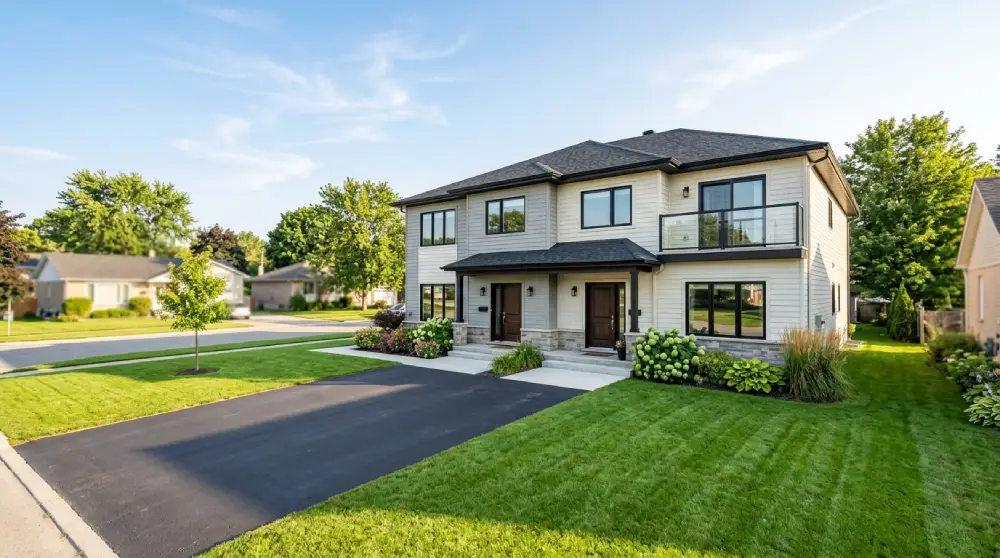
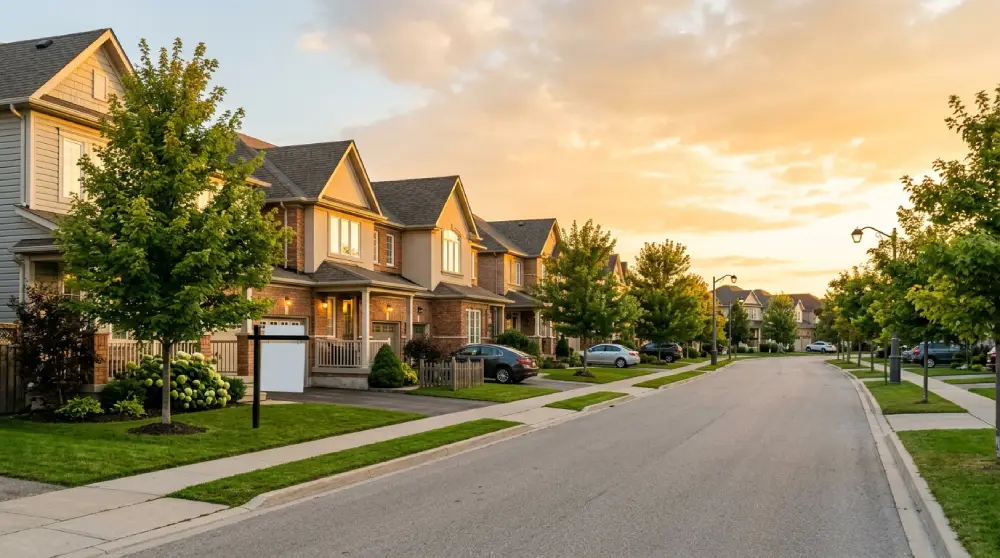
If you are buying, selling, or refinancing a property, you have probably heard the term appraisal more than once. This guide offers Home Appraisal Explained in simple terms, walking you through what it is, why it matters, and what actually happens during the process. Understanding this step can help you feel more confident and prepared throughout your real estate journey.
What Is a Home Appraisal?
A home appraisal is a professional, unbiased evaluation of a property’s current market value. It is conducted by a licensed appraiser who inspects the home and compares it to similar properties recently sold in the same area. The goal is to determine a fair and accurate value based on the home’s condition, features, and location.
Lenders typically require an appraisal before approving a mortgage. This protects both the buyer and the lender by confirming that the property is worth the amount being financed.
Home Appraisal Explained: Why It Matters

An appraisal plays a different role depending on who is involved in the transaction.
For Buyers
Buyers benefit from appraisals because they confirm that the home they are purchasing is fairly valued. This protects them from overpaying and gives them peace of mind before finalizing the purchase.
For Sellers
Sellers gain a clearer understanding of how their property compares to others in the neighborhood. This insight can help set realistic expectations before listing a home.
For Lenders
Lenders rely on appraisals to reduce risk. Since the property serves as collateral for the loan, lenders want assurance that the home’s value supports the loan amount.
How the Home Appraisal Process Works
The appraisal process follows a fairly consistent sequence of steps, though timelines can vary depending on the appraiser’s schedule and the property type.
Scheduling the Appraisal
Once a purchase agreement or refinance request is in motion, the lender orders an appraisal from a licensed professional. The appraiser then contacts the homeowner or agent to arrange a convenient time to visit the property.
The Property Inspection
During the visit, the appraiser walks through the home, examining its layout, size, condition, and notable features. They also inspect the exterior, including the roof, foundation, and landscaping. Photos are usually taken to document the property’s current state.
Reviewing Comparable Properties
After the inspection, the appraiser researches recently sold homes in the surrounding area with similar characteristics. These comparable properties, often called comps, help establish a realistic value range for the home being appraised.
Final Appraisal Report
Once research is complete, the appraiser compiles a detailed report outlining the home’s estimated value, along with supporting data and observations. This report is then submitted to the lender for review.
What Appraisers Look At
Appraisers evaluate several aspects of a property to determine its value accurately.
Structural Condition
The overall condition of the home, including the roof, foundation, plumbing, and electrical systems, plays a major role in the appraisal outcome. Homes in solid structural condition tend to appraise more favorably.
Location and Neighborhood
Proximity to schools, parks, shopping centers, and public transportation can influence value. Appraisers also consider the general condition of surrounding homes and the overall appeal of the neighborhood.
Interior Features
Square footage, number of bedrooms and bathrooms, layout functionality, and updates such as flooring or kitchen renovations are all taken into account.
Exterior and Curb Appeal
While curb appeal alone does not determine value, a well kept exterior signals that the home has been properly maintained, which can positively influence an appraiser’s overall impression.
Common Factors That Influence Appraisal Outcomes
Several elements can affect how an appraisal turns out. These include the age of the home, recent renovations, the local real estate market, and how the property compares to similar homes nearby. Seasonal timing and overall housing demand in the area can also play a role.
Appraisers rely on objective data rather than personal opinions, which is why the process is considered a reliable and standardized method for determining property value.
How to Prepare Your Home for an Appraisal
While appraisers focus on objective data, homeowners can still take simple steps to help the process go smoothly. Keeping the home clean, ensuring easy access to all rooms, and providing documentation for any recent upgrades or repairs can be helpful.
It is also a good idea to fix minor issues such as leaky faucets or broken fixtures beforehand, as these small details contribute to the overall impression of the home’s maintenance.
What Happens After the Appraisal
Once the appraisal report is complete, the lender reviews it to confirm the loan amount aligns with the property’s value. If the appraisal matches or exceeds the expected value, the transaction typically proceeds as planned.
If the appraisal comes in lower than anticipated, buyers, sellers, and lenders may need to discuss next steps, which could include renegotiating terms or requesting a review of the appraisal.
Conclusion
Understanding how appraisals work can make the home buying, selling, or refinancing process feel far less overwhelming. Home Appraisal Explained in this guide covers the key steps, the people involved, and the factors that shape a property’s value. With this knowledge, you can approach your next real estate transaction with greater clarity and confidence.
Frequently Asked Questions
What is the purpose of a home appraisal?
A home appraisal determines the fair market value of a property. It helps lenders confirm that the home is worth the loan amount and gives buyers and sellers an unbiased understanding of its value.
How long does a home appraisal take?
The property inspection itself usually takes a couple of hours, while the full report may take several days to complete once the appraiser finishes gathering comparable property data.
Who chooses the appraiser?
The lender typically selects a licensed, independent appraiser to ensure the evaluation remains unbiased and free from outside influence.
Can homeowners be present during the appraisal?
Yes, homeowners can be present during the inspection to answer questions and provide access to different areas of the property, though it is not required.
What happens if the appraisal value seems inaccurate?
If a homeowner or buyer believes the appraisal does not reflect the property’s true value, they can request a review or reconsideration through the lender, often by providing additional comparable sales data.