
You are embarking on a journey through the fundamental principles that govern the acquisition, management, and disposition of real estate. This guide, structured around the “5 P’s” of real estate, aims to provide you with a comprehensive understanding of the intricate mechanisms at play within this dynamic industry. Consider these principles not merely as acronyms, but as navigational stars, guiding your decisions whether you are a first-time homebuyer, a seasoned investor, or a real estate professional seeking to refine your approach.
The concept of price in real estate is multifaceted, extending beyond a simple monetary figure. It represents a confluence of objective data and subjective valuation, a negotiation point, and a reflection of market sentiment. Understanding price is paramount, as it dictates affordability, potential return on investment, and ultimately, the viability of any real estate endeavor you undertake.
Understanding Market Value
Market value is the most probable price that a property should bring in a competitive and open market under all conditions requisite to a fair sale, the buyer and seller each acting prudiciously and knowledgeably, and assuming the price is not affected by undue stimulus. You as a participant in this market must grasp that market value is not a fixed absolute but a constantly adjusting equilibrium.
- Comparative Market Analysis (CMA): This is your primary tool for estimating market value. A CMA involves analyzing recent sales of similar properties (comparables or “comps”) in the same geographic area, considering factors like size, age, condition, and amenities. You are essentially triangulating value based on what others have paid for similar assets.
- Appraisals: For more formal valuations, especially in lending situations, a professional appraiser is engaged. They use standardized methodologies, including the sales comparison approach, cost approach (estimating the cost to replace the property), and income capitalization approach (for income-producing properties), to arrive at an independent opinion of value.
- Factors Influencing Market Value: Numerous elements can sway a property’s market value. These include economic conditions (interest rates, unemployment), supply and demand dynamics (housing inventory), local amenities (schools, parks, transportation), property condition, and even perceived future development in the area. You must be cognizant of these environmental forces.
The Role of Negotiation
Once a market value is established, the actual transaction price becomes a product of negotiation. This is where your strategy and understanding of the other party’s motivations come into play.
- Buyer’s Perspective: As a buyer, you aim to secure the property at the lowest possible price while still being competitive. Your negotiation leverage is influenced by factors such as market conditions (buyer’s vs. seller’s market), the property’s time on the market, and your own financial preparedness.
- Seller’s Perspective: A seller, conversely, seeks the highest possible price. Their negotiation stance is often dictated by their urgency to sell, their financial obligations, and the level of interest the property generates.
- Tactics and Strategies: Effective negotiation involves more than just bidding back and forth. It includes understanding concession points, setting clear boundaries, and being prepared to walk away if your terms are not met. You are not only negotiating a price but also terms and conditions.
Product: The Tangible Asset Itself
The “product” in real estate refers to the property itself – its physical characteristics, inherent features, and surrounding environment. This is the tangible asset you are dealing with, and a thorough understanding of its attributes is crucial for both valuation and future prospects.
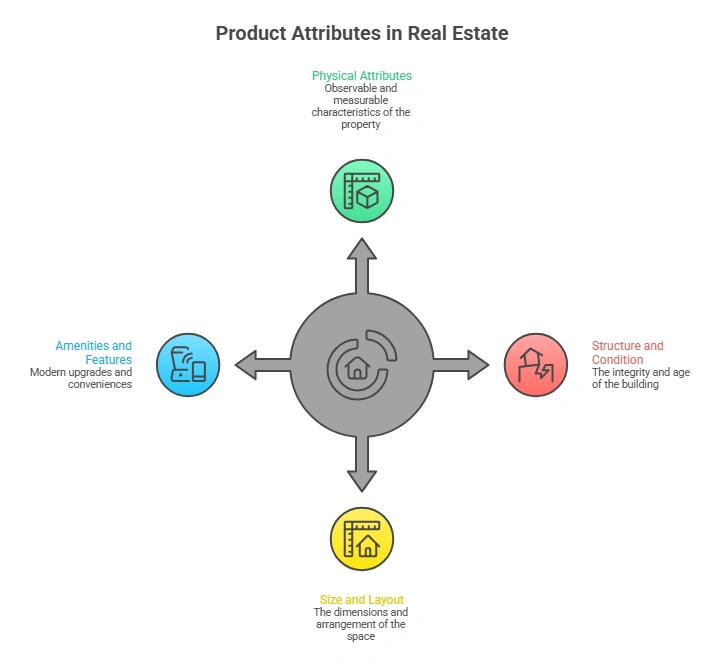
Physical Attributes
These are the observable and measurable characteristics of the property that contribute to its functionality and aesthetic appeal.
- Structure and Condition: The type of construction, age of the building, structural integrity, and the overall condition of its components (roof, foundation, plumbing, electrical systems) are paramount. A dilapidated property, regardless of its location, carries significant inherent costs for renovation and repair.
- Size and Layout: The square footage of the land and the habitable space within the building, along with the floor plan and room configuration, directly impact usability and appeal. A poorly laid out property, even with ample space, can be less desirable than a smaller, more efficiently designed one.
- Amenities and Features: Modern kitchens, updated bathrooms, smart home technology, outdoor living spaces, and energy-efficient systems all add to the product’s value and desirability. Consider these as upgrades that can differentiate a property in a competitive market.
Intangible Qualities and Environment
Beyond the concrete aspects, intangible qualities and the surrounding environment significantly shape a property’s appeal and long-term value.
- Location, Location, Location: This adage is a cornerstone of real estate. The proximity to employment centers, schools, shopping, entertainment, and transportation networks dramatically influences value. A well-located property often appreciates faster and maintains its desirability even in fluctuating markets.
- Neighborhood Demographics: The character of the neighborhood, including its safety, local schools, community amenities, and demographic trends, contributes to the lifestyle a property offers. You are not just buying a house, you are buying into a community.
- Views and Exposure: Desirable views (e.g., ocean, city skyline, mountains) or favorable sun exposure can command a premium. While seemingly minor, these environmental factors can significantly enhance a property’s perceived value.
- Zoning and Regulations: Understanding the local zoning ordinances, building codes, and any potential easements or restrictions is critical. These regulations govern how the land can be used and developed, impacting potential future alterations or expansions you may consider.
Place: The Contextual Environment
“Place” encompasses the broader geographical and socio-economic context in which the property exists. It’s the arena where the product interacts with market forces, economic trends, and community dynamics. Ignoring the significance of place is akin to buying a beautiful painting without considering the gallery that will house it.
Macroeconomic Factors
These are the large-scale economic forces that influence the entire real estate market, often beyond the control of individual buyers or sellers.
- Interest Rates: The cost of borrowing money significantly impacts affordability and buyer demand. When interest rates are low, more people can afford mortgages, leading to increased demand and potentially higher prices. Conversely, rising rates can cool the market.
- Economic Growth and Employment: A strong economy with job growth attracts new residents, increasing demand for housing. Conversely, economic downturns and job losses can lead to reduced demand and potentially declining property values. You must consider the pulse of the broader economy.
- Inflation and Deflation: Inflation can erode the purchasing power of money, potentially making real estate a valuable hedge as property values tend to keep pace or even exceed inflation. Deflation, however, can lead to a decrease in asset values.
- Government Policies: Tax laws (property taxes, capital gains), housing subsidies, and infrastructure spending by local, state, and federal governments can profoundly impact property values and market dynamics. Consider these as the invisible hand shaping the playing field.
Microeconomic Factors
These are localized factors that directly impact specific neighborhoods or sub-markets within a larger region.
- Local Infrastructure and Development: New roads, public transportation projects, parks, and schools can significantly enhance a neighborhood’s desirability and property values. Conversely, a lack of investment can lead to stagnation or decline.
- Supply and Demand: The balance between the number of available properties (supply) and the number of interested buyers (demand) is a fundamental driver of prices. A high supply with low demand typically leads to a buyer’s market, while low supply and high demand create a seller’s market.
- Demographic Shifts: Changes in population size, age distribution, household formation, and income levels within a specific area can influence the types of housing in demand and overall market trends. For instance, an influx of young families will likely drive demand for larger homes with good schools.
- Environmental Factors: Proximity to natural disasters (e.g., flood zones, earthquake faults), environmental hazards, or even desirable natural amenities (e.g., beaches, mountains) can significantly influence property values and insurance costs.
People: The Human Element of Transactions
Real estate, despite its focus on tangible assets, is ultimately a business built on human interaction. The “people” aspect encompasses all individuals involved in a transaction, from buyers and sellers to agents, lenders, inspectors, and legal professionals. Understanding their roles, motivations, and impact is crucial for navigating the complex web of a real estate deal.
Key Stakeholders
Each individual involved brings their own expertise, interests, and potential influence to the transaction.
- Buyers and Sellers: These are the primary actors, each with distinct motivations. Buyers seek to acquire property at a favorable price and terms, while sellers aim to divest their assets at the highest possible value. Their individual financial situations, urgency, and emotional attachments can all play a role in negotiations.
- Real Estate Agents: As intermediaries, agents facilitate communication, provide market insights, and negotiate on behalf of their clients. A skilled agent acts as your guide through the intricacies of the market and transaction process, potentially saving you time and money.
- Lenders: For most buyers, securing financing is a critical step. Lenders assess your creditworthiness and the property’s value to determine loan eligibility and terms. Their offerings directly impact your affordability.
- Inspectors and Appraisers: These professionals provide independent assessments of the property’s condition and value, respectively. Their reports are crucial for informed decision-making and can significantly impact the terms of the sale.
- Attorneys/Conveyancers: They ensure the legal integrity of the transaction, handling title searches, preparing contracts, and overseeing the transfer of ownership. Their role is to protect your legal interests.
Communication and Relationships
Effective communication and the ability to build rapport are invaluable in real estate transactions.
- Building Trust: Trust among all parties, especially between buyers/sellers and their agents, streamlines the process and reduces potential friction. A transparent and honest approach fosters smoother negotiations.
- Clear Communication: Misunderstandings can derail a deal. Clear, concise, and timely communication among all stakeholders is paramount to avoid delays and resolve issues efficiently.
- Negotiation Styles: Recognizing different negotiation styles (e.g., aggressive, compromising, collaborative) can help you tailor your approach and achieve more favorable outcomes. Understanding motivations often leads to more productive discussions.
- Emotional vs. Rational Decisions: Real estate transactions often involve significant emotional investment. You must acknowledge the emotional aspects while striving for rational, data-driven decisions to avoid pitfalls.
Process: The Sequence of Steps
| P | Description | Example in Real Estate |
|---|---|---|
| Price | The amount of money expected, required, or given in payment for a property. | Listing price of a house or commercial building. |
| Place | The location or area where the property is situated, impacting its value and desirability. | Proximity to schools, transportation, and amenities. |
| Property | The physical asset or real estate being bought, sold, or leased. | Residential home, apartment, office space, or land. |
| Promotion | Marketing strategies used to advertise and sell the property. | Online listings, open houses, and real estate agent campaigns. |
| People | The stakeholders involved in the real estate transaction, including buyers, sellers, agents, and investors. | Real estate agents, buyers, sellers, and property managers. |
The “process” refers to the chronological sequence of actions and legal procedures involved in buying, selling, or otherwise transacting in real estate. It is a journey with distinct stages, each requiring specific tasks and adherence to legal frameworks. Understanding this roadmap is critical for a smooth and successful outcome.
Pre-Transaction Phase
Before an offer is even made, several preparatory steps are essential.
- Defining Goals and Budget: For buyers, this involves identifying your needs, wants, and financial limitations. For sellers, it means determining your desired sales price and timeline. This acts as your compass throughout the journey.
- Market Research: Both buyers and sellers benefit from thorough market research, understanding current trends, property values, and neighborhood specifics. This foundational knowledge empowers you.
- Securing Pre-Approval/Pre-Qualification (for Buyers): This crucial step determines your borrowing capacity, making you a more attractive and credible buyer in the eyes of sellers. It clarifies your financial boundaries.
- Property Preparation (for Sellers): This involves depersonalizing, decluttering, making necessary repairs, and staging your property to present it in the best possible light. First impressions are indelible.
Transaction Phase
This is the core of the real estate journey, involving offers, negotiations, and due diligence.
- Making an Offer/Accepting an Offer: For buyers, crafting a compelling offer with appropriate terms and conditions is key. For sellers, evaluating offers based on price, contingencies, and buyer credibility is vital.
- Negotiation and Counteroffers: This back-and-forth process refines the terms of the sale until both parties reach a mutually agreeable contract. Persistence and flexibility are often rewarded here.
- Due Diligence: This critical period allows the buyer to conduct inspections, appraisals, title searches, and property surveys to uncover any potential issues or liabilities. It is your opportunity to verify everything.
- Securing Financing (for Buyers): Once due diligence is completed, buyers finalize their loan application and secure formal approval from their lender. This is often the longest and most scrutinized part of the process.
Post-Transaction Phase (Closing and Beyond)
The final stages involve the legal transfer of ownership and subsequent responsibilities.
- Closing/Settlement: This is the culmination of the process where all parties sign the necessary legal documents, funds are disbursed, and ownership is officially transferred. Think of it as the ultimate destination on your map.
- Transfer of Utilities and Services: After closing, the buyer typically assumes responsibility for utilities, insurance, and other property-related services.
- Post-Sale Responsibilities: For buyers, this means assuming property ownership, maintenance, and tax obligations. For sellers, it involves vacating the property and fulfilling any post-closing agreements. Your new life as an owner or freed-up capital as a seller begins here.
meticulously understanding and applying the 5 P’s – Price, Product, Place, People, and Process – you will equip yourself with the foundational knowledge and strategic perspective needed to navigate the complexities of the real estate world successfully. These principles serve as your compass and guidebook, ensuring you are well-prepared for any real estate venture you undertake.
FAQs
What are the 5 P’s of real estate?
The 5 P’s of real estate typically refer to Property, Price, Place, Promotion, and People. These elements are key factors in real estate marketing and decision-making.
Why are the 5 P’s important in real estate?
The 5 P’s help buyers, sellers, and agents evaluate and market properties effectively by focusing on the essential aspects that influence a property’s value and appeal.
What does “Property” mean in the 5 P’s of real estate?
“Property” refers to the physical asset itself, including its type, condition, size, and features, which are critical in determining its marketability and value.
How does “Place” affect real estate decisions?
“Place” refers to the location of the property, including neighborhood, accessibility, amenities, and surrounding environment, all of which significantly impact desirability and price.
Who are the “People” in the 5 P’s of real estate?
“People” includes all parties involved in the real estate transaction, such as buyers, sellers, agents, and investors, whose needs and interactions influence the process and outcome.