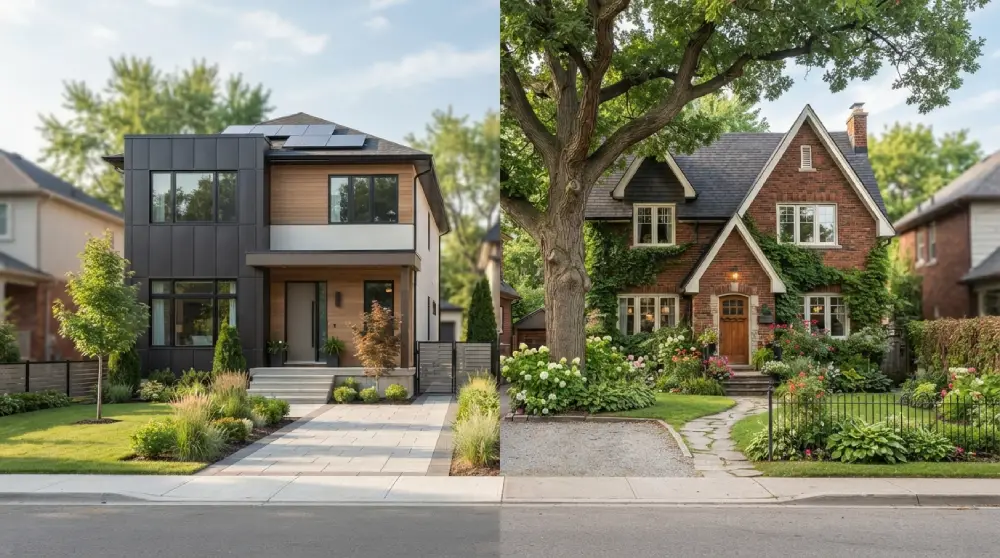
Choosing between new construction vs existing homes is one of the biggest decisions a homebuyer will face. Both options offer distinct advantages depending on your lifestyle, priorities, and long term goals. Understanding the differences can help you make a confident and informed choice.
- What Does New Construction Mean
- What Does an Existing Home Mean
- Comparing Design and Customization
- Energy Efficiency and Technology
- Location and Neighborhood Considerations
- Maintenance and Long Term Upkeep
- Timeline for Moving In
- Resale Value Potential
- Environmental Impact and Sustainability
- Making the Right Choice for Your Lifestyle
- Conclusion
- FAQs
What Does New Construction Mean
New construction refers to homes that are freshly built and have never been lived in before. These homes are often part of new developments or custom builds designed to meet current lifestyle needs.
Key Features of New Construction Homes
New construction homes typically include modern layouts, updated electrical and plumbing systems, and energy efficient materials. Buyers often have the option to select finishes, colors, and sometimes even floor plans.
What Does an Existing Home Mean
An existing home is a property that has already been built and lived in. These homes may be a few years old or several decades old, often located in established neighborhoods with mature landscaping and a sense of community.
Key Features of Existing Homes
Existing homes often come with unique architectural details, larger lots, and established trees. Many buyers appreciate the charm and history that older homes provide.
Comparing Design and Customization
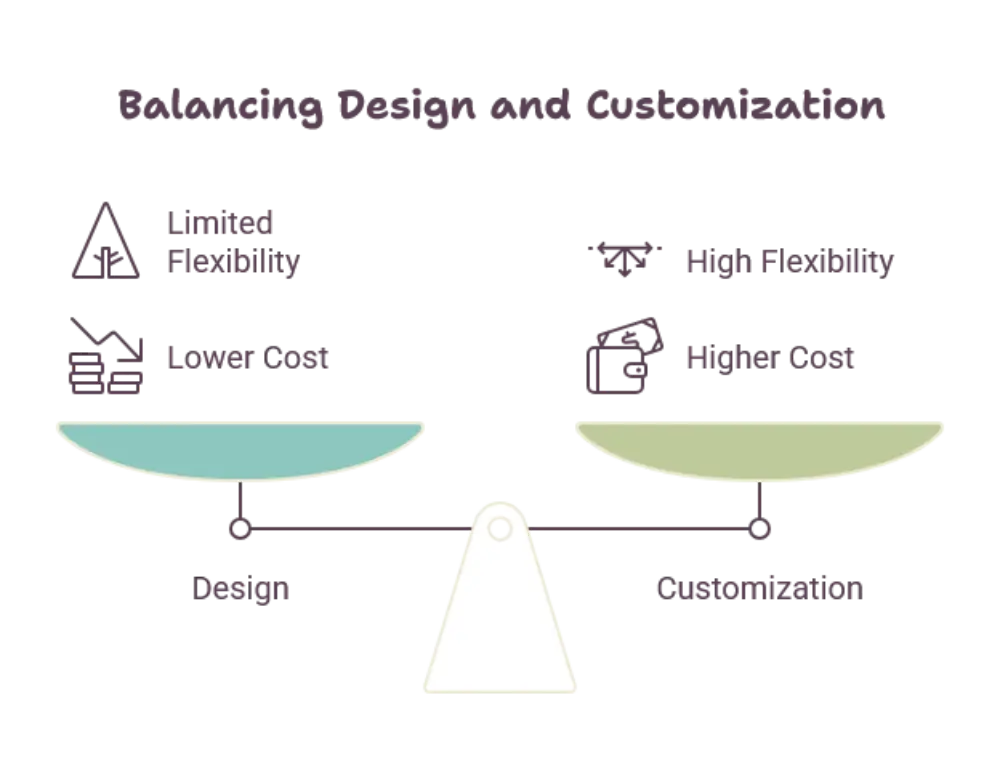
One of the most noticeable differences between new construction vs existing homes is the level of design flexibility.
New Construction Design Options
New builds usually allow buyers to customize certain elements before construction is complete. This includes choosing cabinetry, countertops, flooring, and sometimes room layouts.
Existing Home Design Limitations
Existing homes come as they are, meaning buyers must either accept the current layout or plan renovations later. However, many buyers enjoy the character and craftsmanship found in older homes.
Energy Efficiency and Technology
Energy efficiency is a major factor in the new construction vs existing homes conversation.
New Homes and Modern Technology
New construction homes are generally built with updated insulation, energy efficient windows, and smart home technology. This can lead to lower utility usage and improved comfort throughout the year.
Existing Homes and Potential Upgrades
Older homes may require updates to windows, insulation, or HVAC systems to reach similar efficiency levels. Some existing homes have already been upgraded, so it is important to review each property individually.
Location and Neighborhood Considerations
Location plays a significant role when comparing new construction vs existing homes.
New Construction Neighborhoods
New developments are often located on the outskirts of established cities where land is available. These neighborhoods may still be growing, with new schools, roads, and amenities being developed.
Existing Home Neighborhoods
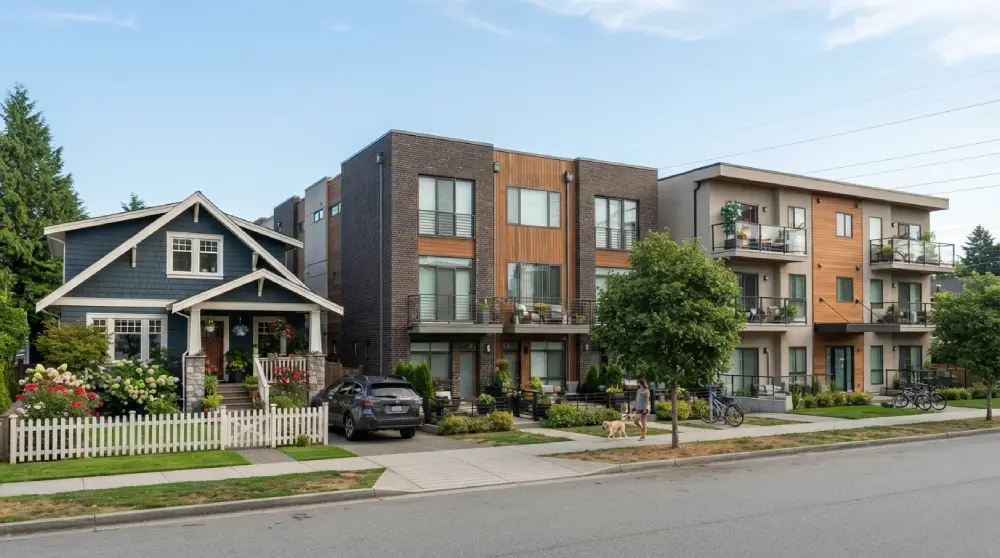
Existing homes are frequently found in well established neighborhoods with mature trees, sidewalks, and nearby schools already in place. Buyers who value a sense of community may prefer this option.
Maintenance and Long Term Upkeep
Maintenance needs can vary greatly depending on the age of the home.
Maintenance for New Construction
New homes typically require less immediate maintenance since everything is brand new. Builders often provide warranties that cover certain systems and structural elements for a set period.
Maintenance for Existing Homes
Existing homes may need more frequent repairs, especially if systems like the roof, plumbing, or electrical wiring have not been recently updated. Regular inspections can help identify potential issues early.
Timeline for Moving In
Another important factor in the new construction vs existing homes decision is how quickly you can move in.
New Construction Timelines
Buying a new construction home may involve waiting for the building process to be completed. This timeline can vary based on weather, permits, and material availability.
Existing Home Timelines
Existing homes are typically ready for a quicker move in, since the home is already built and often move in ready. This makes existing homes appealing for buyers who need to relocate sooner.
Resale Value Potential
Both new construction and existing homes can offer strong resale potential depending on the market and location.
Resale Value of New Homes
New homes may attract buyers who want modern features and lower maintenance needs. However, resale value can be influenced by how quickly the surrounding neighborhood develops.
Resale Value of Existing Homes
Existing homes in established neighborhoods often benefit from proven demand and neighborhood reputation. Buyers may feel more confident about long term value in areas with a strong history.
Environmental Impact and Sustainability
Sustainability is becoming an increasingly important consideration for many buyers.
Sustainability in New Construction
Many new construction homes incorporate sustainable building materials and energy efficient designs from the start. This can reduce environmental impact over the life of the home.
Sustainability in Existing Homes
Renovating an existing home can also be a sustainable choice, since it reduces the need for new materials and land development. Upgrading insulation and systems can significantly improve efficiency.
Making the Right Choice for Your Lifestyle
Deciding between new construction vs existing homes ultimately depends on your personal preferences, lifestyle needs, and long term goals. Buyers who value customization and modern technology may lean toward new construction, while those who appreciate character, established neighborhoods, and quicker move in timelines may prefer an existing home.
Both options can provide a comfortable and rewarding place to call home. Taking time to evaluate your priorities will help you choose the option that fits your life best.
Conclusion
The decision between new construction vs existing homes comes down to what matters most to you. From design flexibility and energy efficiency to neighborhood charm and move in timelines, each option offers unique benefits. understanding these differences, you can approach your home buying journey with clarity and confidence.
FAQs
Is new construction better than an existing home?
It depends on your priorities. New construction offers modern features and customization, while existing homes offer character and established neighborhoods.
How long does it take to move into a new construction home?
Timelines vary based on construction progress, weather, and permits, so it is best to ask the builder for an estimated completion date.
Are existing homes more difficult to maintain?
Existing homes may require more maintenance depending on their age and condition, but regular inspections can help manage upkeep.
Do new construction homes offer more energy efficiency?
Many new homes include updated insulation, windows, and systems that improve energy efficiency compared to older homes.
Can I customize an existing home like a new construction home?
Yes, but customization usually requires renovations, while new construction often allows changes before the home is completed.