Buying a home is one of the biggest decisions a person makes, and common home buying mistakes can turn an exciting milestone into a stressful experience. Many buyers rush through the process or skip important steps, only to face regret later. Understanding these pitfalls ahead of time helps you move forward with confidence and make choices you will not second guess.
- Skipping Mortgage Pre Approval
- Overlooking a Professional Home Inspection
- Letting Emotions Drive the Decision
- Ignoring the Neighborhood
- Waiving Contingencies Too Quickly
- Not Researching the Property History
- Failing to Plan for Future Needs
- Rushing the Decision
- Not Working with a Trusted Real Estate Agent
- Conclusion
- Frequently Asked Questions
Skipping Mortgage Pre Approval
Many buyers start touring homes before they know what they can actually qualify for. This creates confusion and wasted time. Getting pre approved early gives you a clear picture of your options and shows sellers that you are a serious buyer.
Pre approval also helps you understand loan terms, interest rates, and repayment expectations. Without this step, buyers often fall in love with a property that does not align with their financial reality.
Overlooking a Professional Home Inspection
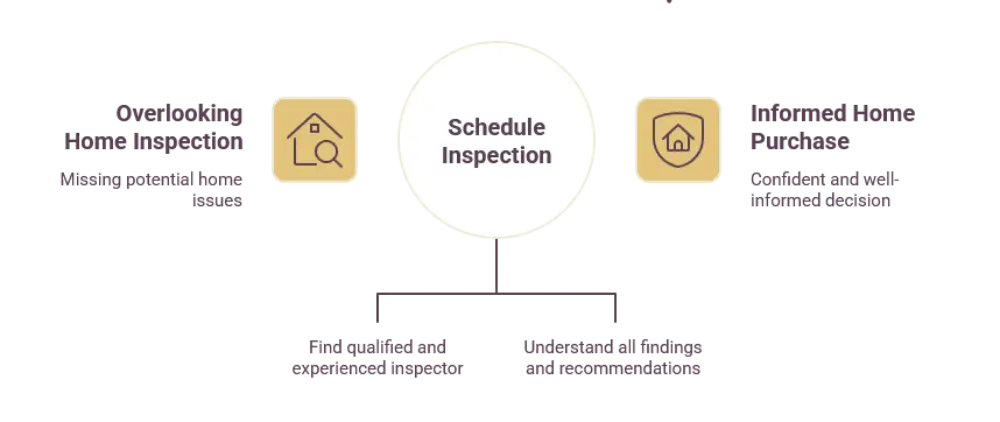
Some buyers skip the inspection to speed up the process or because the home looks perfect on the surface. This is a risky move. Hidden issues like faulty wiring, plumbing problems, or structural damage are not always visible during a walkthrough.
A qualified inspector identifies these issues before you finalize the purchase. This protects you from unexpected repairs and gives you leverage during negotiations.
Why Inspections Matter Long Term
A thorough inspection is not just about immediate concerns. It also gives insight into how well the home will hold up over time, helping you plan maintenance and avoid surprises down the road.
Letting Emotions Drive the Decision
Falling in love with a home is natural, but making decisions purely on emotion can lead to poor choices. Buyers sometimes overlook red flags because they are captivated by aesthetics or a specific feature.
Staying objective throughout the process helps you evaluate the property fairly. Ask practical questions and compare the home to your actual needs rather than a fleeting feeling.
Ignoring the Neighborhood
The home itself is only part of the equation. The surrounding neighborhood plays a major role in daily life and long term satisfaction.
Traffic and Noise Levels
Visiting a property at different times of day reveals patterns that are easy to miss during a single showing. Morning traffic, evening noise, or nearby construction can significantly affect comfort.
Future Development Plans
Checking local development plans helps you understand what might change nearby. New roads, commercial buildings, or zoning changes can influence your living experience in ways that are not obvious at first glance.
Waiving Contingencies Too Quickly
In competitive markets, buyers sometimes waive contingencies to make their offer more appealing. While this can work in certain situations, it also removes important protections.
Contingencies related to inspections, appraisals, and financing exist to safeguard buyers. Waiving them without fully understanding the risks can lead to costly problems later.
Not Researching the Property History
Every home has a story. Understanding past renovations, repairs, or issues gives you a clearer picture of what you are buying. Public records and seller disclosures often reveal information that is not visible during a showing.
Skipping this research means you might miss patterns of recurring issues or unresolved problems that could resurface after you move in.
Failing to Plan for Future Needs
A home that fits your current lifestyle may not fit your future one. Buyers often focus on immediate needs without considering how their situation might change in the coming years.
Think about your career plans, family goals, and lifestyle shifts. Choosing a property that adapts well to change reduces the likelihood of needing to move again too soon.
Rushing the Decision
Home buying involves many moving parts, and rushing through them increases the chance of mistakes. Buyers under time pressure may skip research, ignore red flags, or make impulsive offers.
Taking a measured approach allows you to evaluate each step carefully. A well thought out decision is far more likely to lead to long term satisfaction.
Not Working with a Trusted Real Estate Agent
Navigating the home buying process alone can be overwhelming. An experienced agent brings market knowledge, negotiation skills, and guidance that helps you avoid common pitfalls.
A good agent also helps interpret contracts, coordinate with other professionals, and keep the process organized from start to finish.
Conclusion
Avoiding common home buying mistakes comes down to preparation, patience, and clear thinking. From securing pre approval to researching the neighborhood and working with the right professionals, every step matters. Taking your time and staying informed helps ensure that your home buying journey leads to a decision you feel confident about for years to come.
Frequently Asked Questions
What is the most common mistake home buyers make?
Skipping mortgage pre approval is one of the most common mistakes, as it often leads buyers to explore homes that do not match their actual qualification.
Why is a home inspection important before buying?
A home inspection reveals hidden issues such as structural damage or faulty systems that are not visible during a regular walkthrough, helping buyers avoid costly surprises.
Should I make decisions based on emotions when buying a home?
Emotional connection is natural, but decisions should be balanced with practical evaluation of the property to avoid overlooking important red flags.
How important is the neighborhood when buying a home?
The neighborhood significantly affects daily life, so visiting at different times and researching future development plans is essential before making a decision.
Is it necessary to work with a real estate agent?
While not mandatory, a trusted real estate agent provides valuable guidance, market knowledge, and support that helps buyers avoid common mistakes throughout the process.