Real estate market trends are shifting faster than many people expected. Buyers, sellers, and investors are adjusting to new lifestyles, smarter technology, and changing expectations about where and how we live.
Understanding these shifts helps you make confident decisions instead of guessing what comes next. This guide covers the most important movements across residential, commercial, and rental property in short, practical sections.
- Why Real Estate Market Trends Matter
- Major Residential Real Estate Market Trends
- Technology Is Transforming Property Transactions
- Sustainability and Green Building
- Commercial Real Estate Market Trends
- Rental Market and Investor Trends
- Demographic Shifts Influencing the Market
- What to Watch in the Coming Years
- Conclusion
- Frequently Asked Questions
Why Real Estate Market Trends Matter
Property decisions are some of the biggest choices people make. Watching the market closely gives you a clear picture of what is happening and why.
Better Decisions for Buyers and Sellers
When you understand demand patterns, you can time your move with more confidence. Sellers learn which features attract attention, and buyers learn which neighborhoods are gaining popularity.
Smarter Planning for Investors
Investors rely on trend awareness to spot growing areas early. It also helps them avoid locations where demand is slowing down.
Major Residential Real Estate Market Trends
The residential sector has changed more in recent years than in the decade before. Lifestyle needs now drive many of these shifts.
Growing Demand for Suburban and Smaller City Living
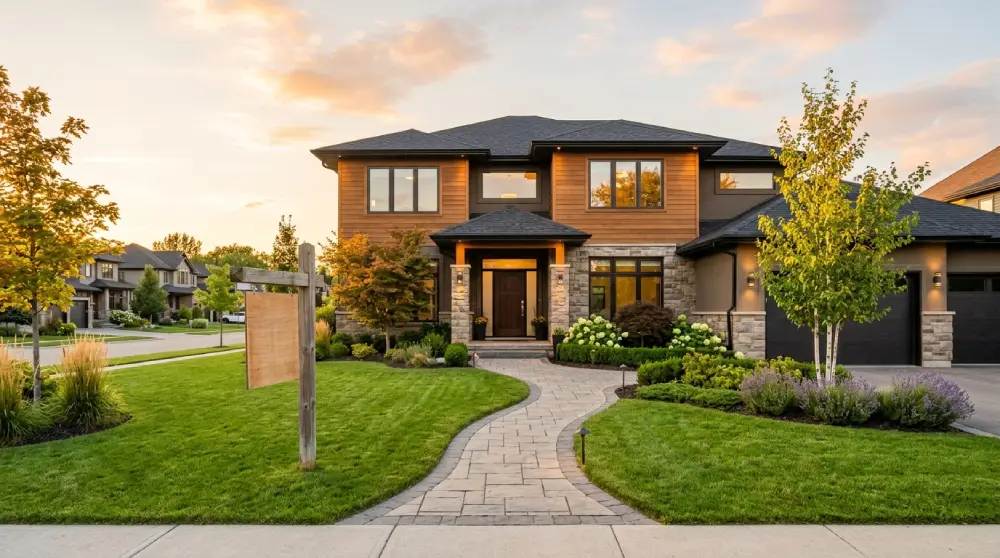
Many households are moving away from crowded city centers. They want more space, quieter streets, and access to parks and schools.
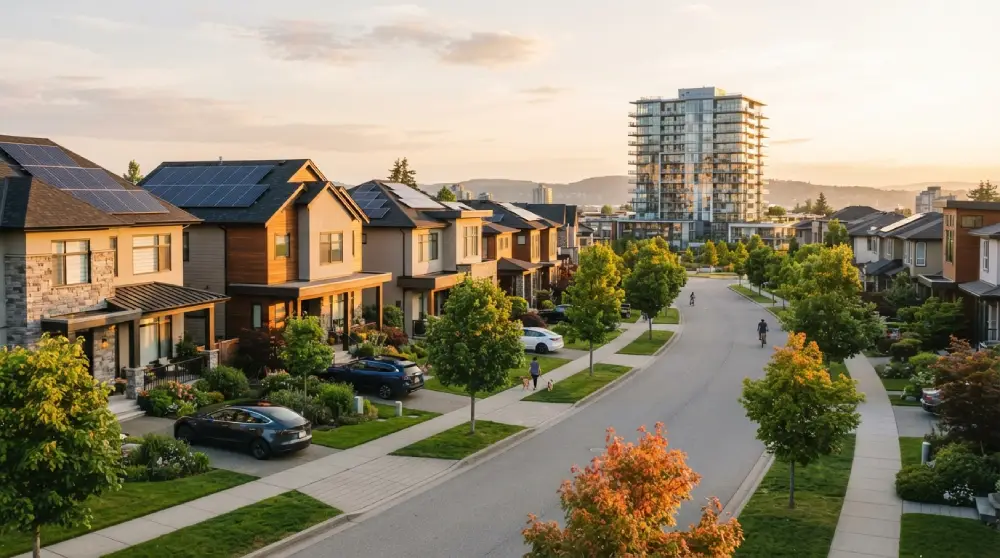
Smaller cities and suburbs now attract people who once believed urban living was essential. Improved transport links and local amenities make this move easier than ever.
Home Offices and Flexible Layouts
Remote and hybrid work has changed what people expect from a home. A spare room or quiet corner for work is now a top request.
Buyers also like flexible layouts that can serve as a study, guest room, or fitness area. Open plans with adaptable zones are becoming the standard.
Limited Housing Inventory
In many regions, the number of homes available is lower than the number of people looking. This gap keeps demand strong and pushes buyers to act quickly.
Builders are responding with new projects, but construction takes time. Until supply catches up, limited inventory will remain a defining feature of the market.
Rise of Multigenerational Living
More families are choosing to live together across generations. Grandparents, parents, and children share one property to support each other.
This trend has increased interest in homes with separate entrances, extra bedrooms, and private living areas.
Technology Is Transforming Property Transactions
Technology has changed how people find, view, and buy property. Processes that once took weeks can now happen in days.
Virtual Tours and Three Dimensional Walkthroughs
Buyers no longer need to visit every home in person. Virtual tours let them explore a property from anywhere in the world.
This saves time for everyone involved. It also helps overseas buyers and busy professionals narrow down their choices before booking a visit.
Artificial Intelligence and Data Analytics
Artificial intelligence now helps agents and investors study market behavior. It can highlight neighborhood patterns, buyer interest, and future demand.
Data driven tools give professionals a clearer view of where the market is heading. This reduces guesswork and supports smarter planning.
Digital Paperwork and Online Closings
Electronic signatures and online document sharing have simplified the buying process. Fewer trips and less paperwork make transactions smoother.
Many buyers now expect a fully digital experience from the first inquiry to the final handover.
Smart Home Features
Smart thermostats, security systems, and lighting controls are no longer luxury extras. Many buyers see them as normal features of a modern home.
Homes with connected devices often stand out in listings because they offer comfort, safety, and convenience together.
Sustainability and Green Building
Environmental awareness is now a serious factor in property decisions. People want homes that are good for the planet and comfortable to live in.
Energy Efficient Homes
Solar panels, better insulation, and efficient appliances are in high demand. Buyers appreciate homes that reduce energy waste and support a healthier lifestyle.
Developers are also building with sustainability in mind from the very first design stage.
Eco Friendly Materials and Certifications
Builders are using recycled materials, sustainable wood, and low impact construction methods. Green certifications help buyers trust that a property meets recognized environmental standards.
This shift is expected to grow as regulations and public expectations continue to rise.
Commercial Real Estate Market Trends

Commercial property is adjusting to new business habits. Companies are rethinking how much space they need and how they use it.
Industrial and Logistics Spaces
Online shopping has increased demand for warehouses and distribution centers. Businesses need space close to customers to deliver goods quickly.
Because of this, industrial property has become one of the most active areas in commercial real estate.
Flexible Office Spaces
Many companies now prefer shared workspaces and short commitments. Flexible offices let teams grow or shrink without being tied to a large space.
Offices are also being redesigned as meeting and collaboration hubs rather than places where everyone works at a desk all day.
Mixed Use Developments
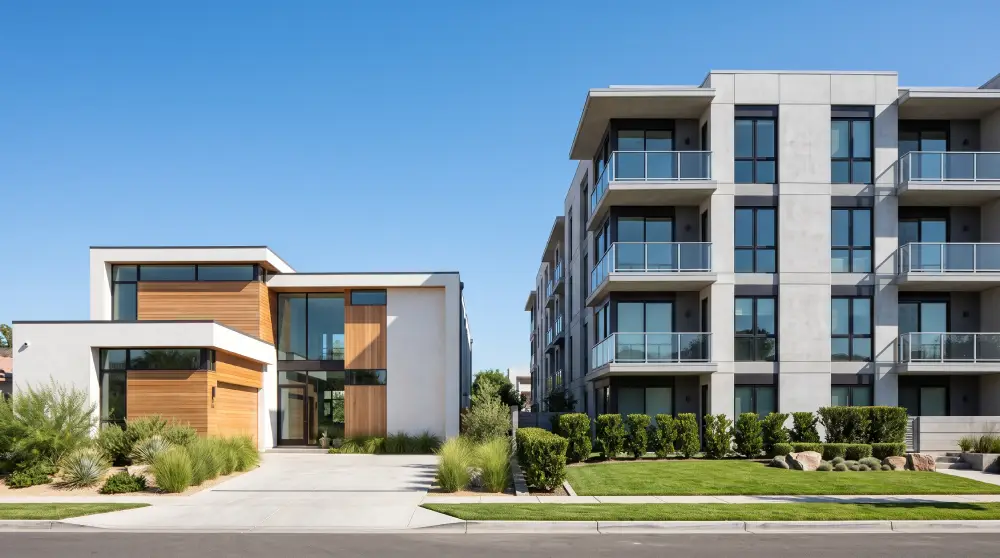
Mixed use projects combine homes, shops, offices, and entertainment in one location. Residents can live, work, and relax within a short walk.
These communities appeal to people who value convenience and a strong neighborhood feel.
Rental Market and Investor Trends
The rental sector continues to grow as more people choose flexibility over ownership. This creates opportunities for investors who understand tenant needs.
Steady Demand for Rental Homes
Many young professionals and families prefer renting because it allows them to move easily. This keeps demand for quality rental homes strong in many cities.
Tenants now look for well maintained properties with modern facilities and good connectivity.
Short Term Rentals and Shared Living
Travel and remote work have boosted interest in short term stays. Some people want furnished homes for a few weeks or months while they work from a new location.
Shared living spaces are also becoming popular among students and young workers who enjoy community and convenience.
Purpose Built Rental Communities
Developers are creating entire communities designed only for renters. These projects often include gyms, lounges, and shared work areas.
They give tenants a complete lifestyle experience and give investors a steady stream of long term demand.
Demographic Shifts Influencing the Market
People drive the property market, so population changes always leave a mark. Age, family size, and lifestyle preferences all shape what gets built.
Millennials are now in their prime home buying years, and they value location, technology, and flexibility. Gen Z is entering the market with a strong preference for digital services and sustainable living.
At the same time, an aging population is creating demand for accessible homes and senior friendly communities. Developers who plan for these groups will be better prepared for the future.
What to Watch in the Coming Years
The market will keep evolving, and a few themes are likely to stay important:
- Continued growth of smart and connected homes
- Stronger focus on sustainability and green certifications
- More flexible workspaces and mixed use communities
- Wider use of artificial intelligence in property decisions
- Steady interest in suburban and smaller city living
Keeping an eye on these areas will help you stay ahead of change instead of reacting to it.
Conclusion
Real estate market trends show a clear message: people want flexibility, technology, sustainability, and a better quality of life. From suburban living and home offices to smart homes and green buildings, every shift reflects how daily life is changing.
Whether you are buying, selling, or investing, staying informed gives you a real advantage. Follow these trends, plan carefully, and you will be ready for whatever the market brings next.
Frequently Asked Questions
What are the biggest real estate market trends right now?
The biggest trends include demand for suburban living, flexible home layouts, smart home technology, and sustainable buildings. Digital tools and rental market growth are also shaping how people buy and invest.
How does technology affect the real estate market?
Technology makes property search and purchase faster and easier. Virtual tours, artificial intelligence, and online paperwork help buyers, sellers, and agents save time and make better decisions.
Why is remote work changing real estate demand?
Remote work lets people live farther from their offices. As a result, they look for homes with extra space, a quiet work area, and access to nature or community facilities.
What is the future of commercial real estate?
Commercial real estate is moving toward flexible offices, mixed use developments, and logistics spaces. Businesses want adaptable locations that support changing work habits and online shopping.
How can I stay updated on real estate market trends?
Follow trusted industry news, local market reports, and updates from experienced real estate professionals. Reviewing these sources regularly helps you spot changes early.