
Venturing into property investment can be a lucrative path to wealth creation, but it’s also a landscape fraught with intricate legalities. Before you sign on the dotted line or sign that lease agreement, you must equip yourself with a robust understanding of the legal framework surrounding property ownership and transactions. This isn’t just about avoiding missteps; it’s about safeguarding your financial future and ensuring your investments are built on solid, legally sound foundations. Think of this as your essential roadmap, a comprehensive legal checklist designed to steer you through the complexities and empower you with confidence. meticulously addressing each point, you’re not just making a purchase; you’re making a smart, protected investment.
Before you even start looking at listings, a crucial first step is to clearly define what you aim to achieve with your property investment. Your goals will significantly influence the legal considerations you need to prioritize. Are you looking for long-term capital appreciation, regular rental income, or a combination of both? The answer to this fundamental question will dictate the type of property best suited for your ambitions, and in turn, the specific legal issues you’ll encounter.
Defining Your Investment Objectives
Your primary investment objectives will shape the entire legal process. For instance, if your goal is passive income through rental properties, you’ll need to delve deep into landlord-tenant laws, lease agreement clauses, and potential eviction procedures. If capital growth is your main driver, you’ll focus more on zoning regulations, future development potential, and property valuation complexities.
- Long-Term Capital Appreciation: This strategy often involves purchasing properties in areas with projected growth, whether due to infrastructure development, population increase, or economic expansion. Legally, this means scrutinizing planning permissions, understanding local council development plans, and ensuring there are no restrictive covenants that could hinder future saleability or development. You’ll also want to be sure about the property’s title and any potential boundary disputes that could arise later.
- Rental Income Generation: This is the bread and butter for many property investors. Here, the legal emphasis shifts heavily towards the tenant-landlord relationship. You’ll need to understand your obligations regarding property maintenance, safety standards (e.g., gas safety certificates, electrical safety), deposit protection schemes, and the legal grounds and procedures for ending a tenancy. Ignorance of these laws can lead to costly disputes and significant financial penalties.
- Flipping Properties: This high-risk, high-reward strategy involves buying a property, renovating it, and selling it quickly for a profit. Legally, you’ll need to be acutely aware of building regulations, planning permissions for any extensions or alterations, and the contractual obligations for any contractors you employ. The speed of the transaction also necessitates swift and accurate legal due diligence on the property’s title and any existing encumbrances.
Identifying the Right Property Type
The type of property you choose will have its own unique set of legal considerations. Each comes with distinct advantages, disadvantages, and therefore, distinct legal hurdles to overcome.
- Residential Properties (Houses, Apartments, Condominiums): These are the most common for individual investors. Legally, you’ll be dealing with residential tenancy laws, building codes, and potential homeowners’ association (HOA) rules if it’s a condominium. Ensure you understand the implications of any service charges or management fees. You’ll also want to clarify the property’s boundaries and any shared facilities.
- Commercial Properties (Offices, Retail Units, Industrial Warehouses): Investing in commercial real estate involves different legal frameworks. Lease agreements for commercial properties are often more complex and tailored to the specific business. You’ll need to understand commercial lease terms, zoning laws specific to business operations, and potential business rates. The due diligence process will also involve checks on the tenant’s business viability and their ability to meet lease obligations.
- Multi-Family Dwellings (Duplexes, Triplexes, Apartment Buildings): Owning multiple units brings a heightened level of legal complexity. You’ll be managing multiple tenancies, each with its own lease agreement and potential legal issues. Compliance with building safety codes for multi-unit dwellings, fire safety regulations, and landlord-tenant laws for multiple occupants becomes paramount. You’ll also need to consider the legal implications of managing common areas and potential shared utilities.
- Vacant Land: While seemingly straightforward, investing in vacant land presents its own set of legal challenges. You’ll need to thoroughly investigate zoning regulations to understand what you can build or do with the land. Easements, restrictive covenants, mineral rights, and environmental concerns are all critical legal points to investigate. Title searches become even more crucial here to ensure you acquire full and unencumbered ownership.
Title and Ownership Verification
This is arguably the most critical legal step in any property transaction. A clear and unclouded title ensures you are the rightful owner of the property and that there are no hidden claims or encumbrances that could jeopardize your investment. This stage demands meticulous attention to detail and professional legal assistance.
Conducting Thorough Title Searches
A title search is a historical review of all documents affecting a property’s ownership. This process is vital for uncovering any “clouds” on the title – issues that could affect your ownership rights.
- Deeds and Conveyances: Examining previous deeds helps trace the chain of ownership and identify any irregularities or fraudulent transfers in the past. It confirms that the seller has the legal right to sell the property.
- Mortgages and Liens: This reveals any outstanding debts secured against the property, such as mortgages, home equity loans, or tax liens. These must be cleared by the seller before you can take clear ownership.
- Easements and Rights-of-Way: These are legal rights allowing others to use a portion of your property for a specific purpose (e.g., utility companies accessing power lines, a neighbor’s right to cross your land to reach their property). Understanding these is crucial for future use and enjoyment of your property.
- Covenants and Restrictions: These are limitations imposed on the use of the property, often found in deed restrictions for planned communities or historical subdivisions. They can dictate what you can build, how you can landscape, or even the color you can paint your house.
- Court Judgments and Bankruptcy Filings: Checking for recent court judgments or bankruptcy filings against the seller can reveal potential claims against the property or the seller’s ability to transfer clear title.
Securing Title Insurance
Once the title search is complete and any issues are resolved, title insurance offers crucial protection for your investment.
- Owner’s Policy: This protects you, the buyer, against any title defects that existed prior to your purchase but were not discovered during the title search. It provides financial protection against potential legal challenges to your ownership.
- Lender’s Policy: If you are obtaining a mortgage, your lender will require a lender’s policy to protect their interest in the property. This policy ensures that their loan is secured by a valid title, even if unforeseen title issues arise later.
Contractual Agreements and Due Diligence
Property transactions are governed by legally binding contracts. Entering into these agreements without a comprehensive understanding of their terms and performing thorough due diligence can lead to significant financial loss and legal disputes.
Understanding Purchase Agreements
The purchase agreement is the cornerstone of any property transaction, outlining the terms and conditions of the sale. You must engage a legal professional to review this document thoroughly.
- Key Clauses: Pay close attention to clauses regarding the purchase price, deposit amount, closing date, financing contingencies, inspection periods, and any inclusions or exclusions (e.g., appliances, fixtures).
- Contingencies: These are conditions that must be met for the sale to proceed. Common contingencies include satisfactory home inspections, securing financing, and obtaining favorable appraisal reports. You must understand the implications of each contingency and how to navigate them legally.
- Default Clauses: These clauses outline what happens if either party fails to uphold their end of the agreement. Understanding these provisions is crucial for protecting your interests should a problem arise.
Performing Comprehensive Due Diligence
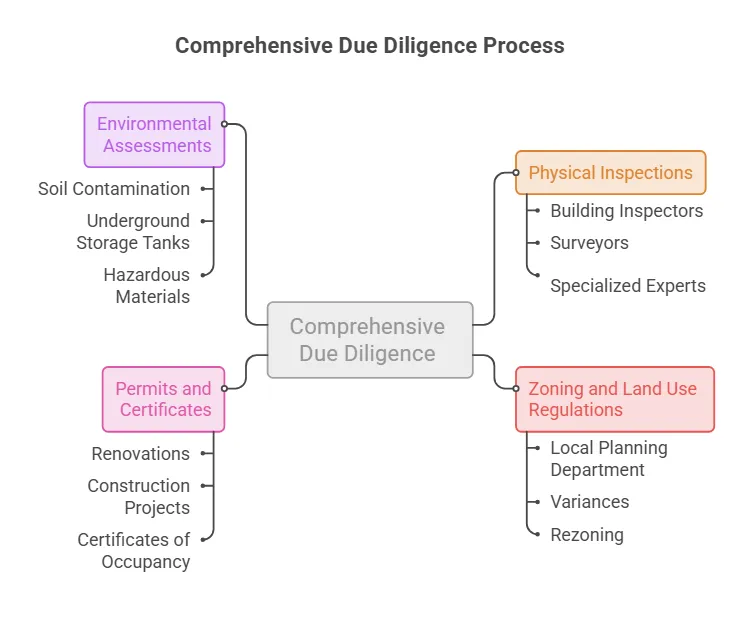
Due diligence is the process of investigating and verifying all aspects of the property and the transaction before committing to the purchase. This goes beyond the title search and encompasses various legal and practical checks.
- Physical Inspections: Engage qualified building inspectors, surveyors, and specialized experts (e.g., for pest control, mold, or structural issues) to identify any physical defects that could lead to future costly repairs or legal liabilities. Document all findings and use them to negotiate price or request repairs.
- Zoning and Land Use Regulations: Verify that the current use of the property aligns with local zoning ordinances. If you plan to renovate or develop, confirm that your plans are permissible. This involves checking with the local planning department and understanding any potential variances or rezoning required.
- Permits and Certificates: Ensure that all past renovations or significant construction projects have been completed with the necessary permits and that all required certificates of occupancy or completion are in place. Lack of permits can lead to significant legal issues down the line, including fines and orders to demolish unpermitted structures.
- Environmental Assessments: In certain areas, particularly those with industrial history or near potential environmental hazards, conducting environmental assessments can be crucial. This includes checking for soil contamination, underground storage tanks, or the presence of hazardous materials, which can be significant liabilities.
Financing and Lender Agreements
Securing financing for your property investment involves a complex set of legal agreements with lenders. Understanding these terms is vital to avoid predatory lending practices and to ensure your financial obligations are clear.
Navigating Mortgage Agreements
A mortgage is a legal contract that outlines the terms of your loan and grants the lender a security interest in your property.
- Interest Rates and Terms: Carefully review the interest rate (fixed or adjustable), the loan term (e.g., 15, 20, 30 years), and how the interest is calculated. Understand the implications of paying off the loan early and any associated penalties.
- Loan-to-Value Ratio (LTV): This ratio, representing the loan amount compared to the property’s value, dictates your loan terms and potential additional fees or requirements for private mortgage insurance (PMI).
- Covenants and Defaults: Understand the covenants you agree to, such as maintaining property insurance, paying property taxes, and keeping the property in good condition. Ignorance of these can lead to foreclosure.
Understanding Lender Requirements and Disclosures
Lenders are legally obligated to provide you with specific disclosures before you finalize your loan.
- Truth in Lending Act (TILA) Disclosures: These forms detail the cost of your loan, including the annual percentage rate (APR), total finance charges, and repayment schedule.
- RESPA (Real Estate Settlement Procedures Act) Disclosures: These disclosures inform you about the settlement costs associated with your mortgage transaction, including any fees charged by the lender or third parties.
- Appraisal Requirements: Lenders will require an independent appraisal to ensure the property’s value supports the loan amount. Understanding how appraisals are conducted and what factors influence them can be beneficial.
Tenancy and Lease Agreements: Landlord Responsibilities
| Legal Checklist for Property Investment |
|---|
| 1. Title Search |
| 2. Property Survey |
| 3. Zoning and Land Use Regulations |
| 4. Environmental Assessments |
| 5. Property Tax Assessment |
| 6. Insurance Coverage |
| 7. Lease Agreements |
| 8. Compliance with Building Codes |
If your investment strategy involves renting out the property, understanding landlord-tenant laws and drafting sound lease agreements is critical to protecting your income stream and avoiding costly legal battles.
Crafting a Legally Compliant Lease Agreement
A well-drafted lease agreement is your primary defense against tenant disputes and ensures clarity on rights and responsibilities.
- Key Lease Provisions: Include details such as rent amount, due date, late fees, security deposit amount, lease term, permitted use of the property, rules on pets, smoking, and subletting. Clearly define the responsibilities for utility payments and property maintenance.
- State and Local Regulations: Lease agreements must comply with state and local landlord-tenant laws. These laws often dictate minimum housing standards, rules for security deposit handling, and lawful eviction procedures. Consult with a legal professional to ensure your lease is compliant.
- Habitability Standards: You have a legal obligation to provide a habitable living environment for your tenants. This means ensuring the property is safe, sanitary, and has essential utilities functioning correctly. Failure to meet these standards can lead to legal action from tenants.
Tenant Screening and Eviction Procedures
Thorough tenant screening is a proactive measure to minimize risk, and understanding eviction procedures is crucial should a tenant breach their lease.
- Tenant Screening Process: Implement a rigorous screening process that includes credit checks, background checks, employment verification, and checking previous landlord references. Ensure your screening process adheres to fair housing laws and does not discriminate based on protected characteristics.
- Grounds for Eviction: Understand the legal grounds for eviction in your jurisdiction. This typically includes non-payment of rent, violation of lease terms, or illegal activity on the premises.
- Legal Eviction Process: Eviction is a legal process that must be followed precisely. This usually involves providing written notice to the tenant, filing an eviction lawsuit, and obtaining a court order before a tenant can be lawfully removed. Illegally evicting a tenant can result in severe legal penalties.
Regulatory Compliance and Ongoing Obligations
Property ownership is not a one-time legal hurdle; it involves ongoing compliance with various regulations and legal obligations that evolve over time. Staying informed and proactive is key to long-term success.
Understanding Property Taxes and Insurance
These are significant ongoing financial and legal obligations associated with property ownership.
- Property Tax Assessments: Be aware of how property taxes are assessed in your jurisdiction and the appeals process if you believe your property is over-assessed. Timely payment is crucial to avoid penalties and potential liens on your property.
- Property Insurance Requirements: Maintaining adequate property insurance is not only a prudent financial decision but often a legal requirement dictated by your mortgage lender. Ensure your policy covers liability, damage, and any specific risks relevant to your property.
Adhering to Building Codes and Zoning Laws
As mentioned earlier, these are fundamental to property use, but they also have ongoing implications.
- Future Renovations and Developments: Any future renovations or significant changes to your property must comply with current building codes and zoning ordinances. Obtaining the necessary permits and inspections is a legal requirement and ensures the safety and legality of your improvements.
- Changes in Local Ordinances: Be aware that zoning laws and building codes can change. Staying informed about potential updates in your local area can help you plan for future projects and avoid non-compliance.
meticulously working through this legal checklist, you are not merely ticking boxes; you are building a foundation of security and compliance for your property investments. This proactive approach, coupled with expert legal advice, will empower you to navigate the intricacies of property law with confidence, protecting your assets, maximizing your returns, and ensuring your investment journey is a successful and legally sound one.
FAQs
What is a property investment legal checklist?
A property investment legal checklist is a comprehensive list of legal considerations and requirements that need to be addressed when investing in real estate. It covers various legal aspects such as property ownership, contracts, zoning laws, and regulatory compliance.
What are some common items included in a property investment legal checklist?
Some common items included in a property investment legal checklist are property title search, due diligence on property liens and encumbrances, review of purchase agreements, compliance with local zoning laws and regulations, and assessment of potential legal risks.
Why is a property investment legal checklist important?
A property investment legal checklist is important because it helps investors identify and address potential legal issues and risks associated with real estate transactions. It ensures that all legal requirements are met and helps protect the investor from potential legal disputes or liabilities.
Who should use a property investment legal checklist?
Property investors, real estate developers, and anyone involved in buying, selling, or managing real estate properties should use a property investment legal checklist. It is also beneficial for real estate agents, attorneys, and other professionals involved in real estate transactions.
Where can I find a property investment legal checklist?
A property investment legal checklist can be found online through legal websites, real estate investment resources, or by consulting with a real estate attorney. It can also be customized based on specific property investment needs and local legal requirements.