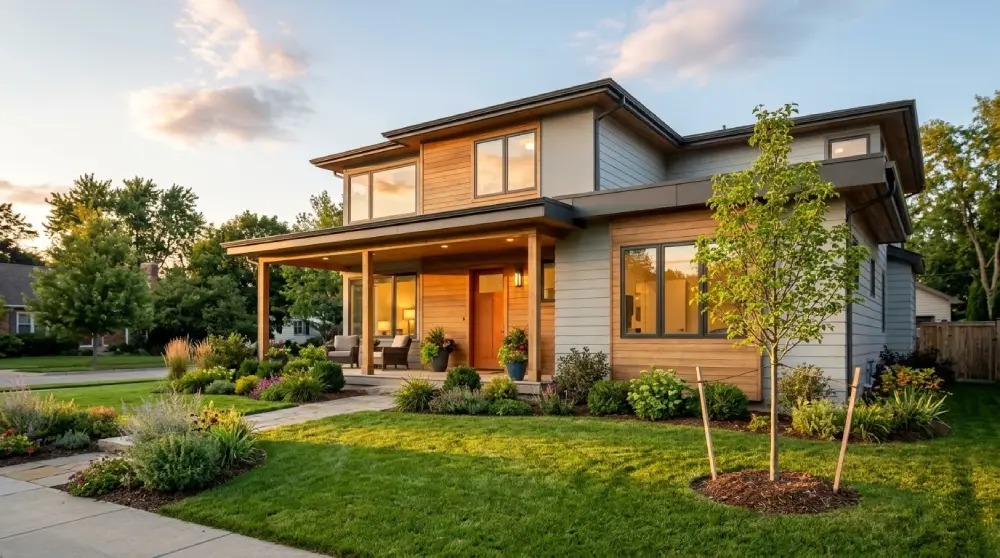
When embarking on the journey to find your dream home, the first and perhaps most crucial step is identifying the right neighborhood. Exploring top property listings in your desired area can help you assess how location impacts your lifestyle, daily commute, and overall happiness. You should consider factors such as proximity to work, schools, shopping centers, and recreational areas.
- Key Takeaways
- Amenities and Features: What to Look for in Your Dream Home
- Budgeting for Your Dream Home: Tips for Affordability
- Working with a Real Estate Agent: How to Find the Right Fit
- The Importance of Home Inspections: Ensuring Your Investment is Sound
- Negotiating the Deal: Getting the Best Price for Your Dream Home
- Making an Offer: Steps to Secure Your Dream Property
- Closing the Deal: Finalizing the Purchase of Your Dream Home
- FAQs
A neighborhood that offers a blend of convenience and comfort can enhance your quality of life. Imagine living just a short drive away from your workplace, allowing you to spend more time with family or pursuing hobbies rather than being stuck in traffic. Moreover, the character of the neighborhood plays a vital role in your decision-making process.
You may want to explore areas that resonate with your lifestyle preferences—whether that’s a bustling urban environment filled with cafes and cultural activities or a serene suburban community with parks and family-friendly amenities. Take the time to visit potential neighborhoods at different times of the day to get a feel for the atmosphere. Engaging with local residents can also provide valuable insights into the community dynamics, safety, and overall vibe of the area.
Ultimately, finding the perfect neighborhood is about aligning your personal values and lifestyle with the environment you choose to call home.
Key Takeaways
- Location is key when finding the perfect neighborhood for your dream home, consider factors such as safety, schools, and proximity to amenities.
- When looking for your dream home, consider the amenities and features that are important to you, such as a backyard, updated kitchen, or a home office space.
- Budgeting for your dream home is essential, consider factors such as down payment, monthly mortgage payments, and additional costs such as property taxes and maintenance.
- Working with a real estate agent can help you find the right fit for your dream home, make sure to choose an agent who understands your needs and has experience in your desired neighborhood.
- Home inspections are crucial to ensure your investment is sound, make sure to hire a qualified inspector to thoroughly assess the property before finalizing the purchase.
Amenities and Features: What to Look for in Your Dream Home
Once you’ve pinpointed the ideal neighborhood, it’s time to focus on the specific amenities and features that will make your dream home a reality. You should start by creating a list of must-have features that cater to your lifestyle. For instance, if you enjoy cooking, a spacious kitchen with modern appliances and ample counter space might be at the top of your list.
Alternatively, if you work from home, a dedicated office space could be essential for maintaining productivity and focus. In addition to interior features, consider the outdoor space as well. A backyard for entertaining guests or a garden for cultivating plants can significantly enhance your living experience.
You might also want to look for homes that offer energy-efficient features or smart home technology, which can provide both comfort and savings in the long run. As you evaluate potential properties, keep in mind that while it’s important to have a clear vision of what you want, being flexible can also lead to unexpected delights. Sometimes, a home may surprise you with its charm or potential, even if it doesn’t tick every box on your list.
Budgeting for Your Dream Home: Tips for Affordability
Budgeting is an essential aspect of the home-buying process that requires careful consideration and planning. Before you start searching for properties, take a close look at your finances to determine how much you can realistically afford. This includes not only the purchase price but also additional costs such as property taxes, insurance, maintenance, and potential homeowner association fees.
You should create a comprehensive budget that outlines your income, expenses, and savings goals to ensure you’re making informed decisions. One effective strategy is to get pre-approved for a mortgage before you begin house hunting. This will give you a clear understanding of your borrowing capacity and help you narrow down your options accordingly.
Additionally, consider setting aside a contingency fund for unexpected expenses that may arise during the buying process or shortly after moving in. being proactive about budgeting, you can avoid financial strain and focus on finding a home that truly meets your needs without breaking the bank.
Working with a Real Estate Agent: How to Find the Right Fit
| Metrics | Data |
|---|---|
| Number of Real Estate Agents in the US | 1.5 million |
| Median Annual Income of Real Estate Agents | 48,690 |
| Percentage of Homebuyers who use Real Estate Agents | 87% |
| Median Home Sale Price with Agent vs. without Agent | 250,000 with agent, 190,000 without agent |
| Percentage of Home Sellers who use Real Estate Agents | 89% |
Navigating the real estate market can be overwhelming, which is why enlisting the help of a knowledgeable real estate agent can be invaluable. A good agent will not only have access to listings that match your criteria but also possess insights into market trends and neighborhood dynamics. When searching for an agent, look for someone who understands your specific needs and preferences.
You should feel comfortable discussing your goals and concerns openly with them. To find the right fit, consider interviewing multiple agents before making a decision. Ask about their experience in the local market, their approach to negotiations, and how they plan to support you throughout the buying process.
A strong rapport with your agent can make all the difference in ensuring a smooth transaction. Remember that this partnership is built on trust; therefore, choose someone who listens to you and prioritizes your best interests.
The Importance of Home Inspections: Ensuring Your Investment is Sound
Once you’ve found a property that captures your interest, it’s crucial to conduct a thorough home inspection before finalizing your purchase. A home inspection serves as a safeguard against potential issues that may not be immediately visible during viewings. You should hire a qualified inspector who can assess the property’s structural integrity, electrical systems, plumbing, and other critical components.
This step is essential in ensuring that you’re making a sound investment. During the inspection process, be prepared to ask questions and seek clarification on any findings. If significant issues are uncovered, you may have grounds to negotiate repairs or adjustments in the purchase price with the seller.
Understanding the condition of the home will empower you to make informed decisions moving forward. Ultimately, investing in a comprehensive inspection can save you from unexpected expenses down the line and provide peace of mind as you transition into homeownership.
Negotiating the Deal: Getting the Best Price for Your Dream Home
Negotiation is an integral part of the home-buying process that can significantly impact your financial outcome. Once you’ve completed your inspections and are ready to move forward, it’s time to work with your real estate agent to craft an offer that reflects both your budget and the current market conditions. Your agent will help you analyze comparable sales in the area to determine a fair price point while considering any repairs or improvements needed based on inspection findings.
As you enter negotiations, be prepared for counteroffers from the seller. It’s essential to remain flexible while advocating for your interests. Your agent can provide guidance on how to navigate these discussions effectively while maintaining a positive relationship with the seller.
Remember that negotiation isn’t just about price; it can also involve terms such as closing dates or including certain appliances in the sale. approaching negotiations strategically and collaboratively, you increase your chances of securing your dream home at a price that works for you.
Making an Offer: Steps to Secure Your Dream Property
Once negotiations have reached a favorable point, it’s time to formalize your interest by making an official offer on the property. This process typically involves submitting a written offer that outlines your proposed purchase price along with any contingencies or conditions you wish to include. Your real estate agent will assist you in drafting this document to ensure it meets legal requirements and reflects your intentions accurately.
In addition to price, consider including earnest money as part of your offer—a deposit demonstrating your commitment to purchasing the home. This amount is usually held in escrow until closing and can help strengthen your position in negotiations. After submitting your offer, be prepared for potential back-and-forth communication with the seller or their agent as they review and respond to your proposal.
Patience is key during this stage; securing your dream property often requires careful consideration and negotiation.
Closing the Deal: Finalizing the Purchase of Your Dream Home
After successfully navigating negotiations and having your offer accepted, you’ll enter the closing phase of purchasing your dream home. This stage involves several critical steps that require attention to detail and organization. You’ll need to review all closing documents carefully, including the settlement statement that outlines all costs associated with the transaction.
It’s advisable to have legal representation or consult with professionals who can clarify any terms or conditions that may be unclear. On closing day, be prepared for various tasks such as signing paperwork and transferring funds for your down payment and closing costs. Once everything is finalized and all parties have signed off on the necessary documents, you’ll receive the keys to your new home!
This moment marks not just an end but also a new beginning filled with possibilities as you settle into your dream space. Embrace this exciting transition and take pride in having navigated the complexities of home buying successfully—your dream home awaits!
FAQs
What are property listings?
Property listings are detailed descriptions of real estate properties that are available for sale or rent. These listings typically include information such as the property’s location, size, features, and price.
Where can I find property listings?
Property listings can be found on various online platforms, including real estate websites, property listing websites, and classified ad websites. They can also be found in print publications such as newspapers and real estate magazines.
What information is included in a property listing?
A typical property listing includes details such as the property’s address, size (in square feet or square meters), number of bedrooms and bathrooms, amenities, price, and contact information for the seller or real estate agent.
How can I search for specific types of properties in property listings?
Most property listing websites and real estate platforms allow users to filter their search based on specific criteria such as location, property type (e.g., single-family home, condo, apartment), price range, and amenities. This makes it easier to find properties that meet specific requirements.
Are property listings always accurate and up to date?
While property listings strive to be accurate and up to date, there may be instances where the information is not current or there are errors. It’s always a good idea to verify the details of a property listing with the seller or real estate agent before making any decisions.