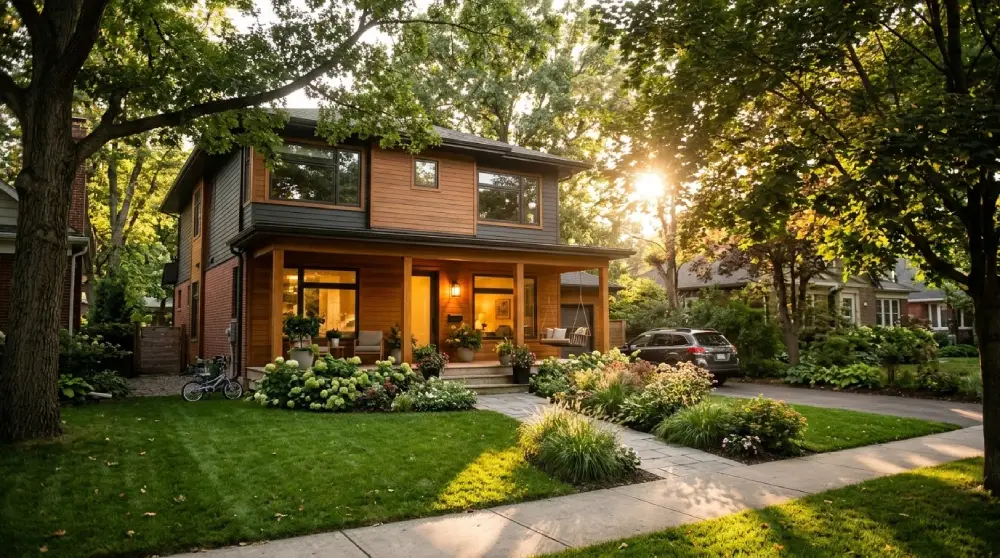
Navigating the housing market can be a daunting task, especially for first-time buyers. Understanding current trends is crucial to making informed decisions and ensuring a successful purchase. Whether you’re looking for your dream home or an investment property, staying informed about market conditions can give you the edge you need. Here are the key housing market trends every buyer should know in 2024.
Rising Mortgage Rates
Mortgage rates have been on the rise, a trend that continues to shape the housing market. As of 2024, average rates for a 30-year fixed mortgage hover around 7-8%, up from historical lows just a few years ago. Higher mortgage rates impact affordability, reducing the purchasing power of buyers.
What buyers can do
- Shop around for the best mortgage rates.
- Consider shorter loan terms or adjustable-rate mortgages (ARMs) if they align with your financial goals.
- Lock in rates early if you expect further increases.
Low Housing Inventory
The housing inventory remains tight in many regions, driven by a combination of factors such as low new construction rates, homeowners holding onto properties due to favorable older mortgage rates, and high demand. This limited supply often leads to intense competition among buyers.
How to navigate low inventory
- Expand your search to emerging neighborhoods or suburbs.
- Work with a knowledgeable real estate agent to identify off-market opportunities.
- Be prepared to act quickly and make competitive offers.
Shift to Suburban and Secondary Markets
With remote work becoming more permanent for many industries, buyers are increasingly looking at suburban and secondary markets for affordable housing options. These areas often offer larger properties, better quality of life, and lower prices compared to urban centers.
Hot spots for 2024
- Suburbs within commuting distance to major cities.
- Secondary cities experiencing growth in employment opportunities and infrastructure.
Increased Focus on Sustainability
Sustainability is now a major consideration for buyers. Energy-efficient homes with features like solar panels, smart thermostats, and eco-friendly building materials are in high demand. Government incentives for green upgrades also make sustainable homes more appealing.
Tips for buyers
- Look for energy certifications such as LEED or ENERGY STAR.
- Factor potential savings from energy efficiency into your budget.
- Consider the long-term value of sustainable features when assessing properties.
Home Prices Are Stabilizing
After years of dramatic price increases, the housing market is showing signs of stabilization in 2024. While prices remain high in certain areas, growth has slowed in many regions, providing a more balanced market for buyers.
How to approach pricing trends
- Research local market conditions to understand whether it’s a buyer’s or seller’s market.
- Use online tools to compare home prices in your desired area.
- Negotiate effectively, especially in markets with lower demand.
Technology and Virtual Tools in Home Buying
The adoption of technology in real estate has revolutionized how buyers search for homes. Virtual tours, AI-powered recommendations, and online mortgage applications are now the norm.
Why this matters
- Virtual tools save time and allow buyers to view multiple properties remotely.
- Technology makes it easier to compare financing options and manage paperwork.
- Digital platforms enhance communication with real estate professionals.
Renting vs. Buying Debate
In 2024, the gap between renting and buying costs has narrowed in some regions, prompting potential buyers to reevaluate their options. While homeownership builds equity over time, renting offers flexibility in uncertain economic conditions.
Key considerations
- Calculate the cost of ownership, including property taxes, insurance, and maintenance.
- Assess your long-term goals and how they align with buying or renting.
- Factor in market conditions and future home value projections.
Millennials and Gen Z Shaping the Market
Millennials and Gen Z buyers are becoming dominant forces in the housing market. These younger generations prioritize affordability, walkable neighborhoods, and digital-first buying experiences. Their preferences are influencing housing developments and amenities.
What this means for buyers
- Expect increased competition in urban areas and starter home markets.
- Be ready to leverage digital tools and streamline your buying process.
- Look for properties that align with modern living trends.
Economic Uncertainty and Market Volatility
The broader economy plays a significant role in housing market trends. Factors such as inflation, unemployment rates, and geopolitical events can impact housing demand and pricing.
How to stay prepared
- Monitor economic indicators that affect the housing market.
- Build a financial cushion to account for unexpected expenses.
- Work with financial advisors or mortgage professionals to create a solid plan.
Importance of Local Market Insights
Real estate trends vary significantly by location. While national trends provide a big-picture view, local market conditions ultimately determine your buying experience.
Steps to gain local insights
- Attend open houses and network with local agents.
- Analyze recent sales data in your desired area.
- Stay updated on zoning laws and upcoming developments.
Conclusion
The 2024 housing market presents a mix of challenges and opportunities for buyers. understanding these trends and taking proactive steps, you can navigate the market with confidence. Whether you’re purchasing your first home or expanding your real estate portfolio, staying informed is the key to success.
Start your home-buying journey today by consulting with trusted real estate professionals and leveraging the latest tools and resources. A well-informed buyer is a powerful buyer!
Frequently Asked Questions
What are the key trends shaping the housing market in 2024?
Rising mortgage rates, low inventory, suburban growth, sustainability focus, and tech-driven buying are pivotal trends for 2024 buyers.
How do rising mortgage rates affect homebuyers?
Higher rates reduce affordability, making it vital for buyers to shop around and consider locking in rates early.
Why is housing inventory so limited in 2024?
Low construction rates, high demand, and homeowners holding onto low-rate mortgages contribute to tight inventory.
What makes suburban markets attractive to buyers?
Suburbs offer affordable housing, larger properties, and a better quality of life, especially for remote workers.
How is technology transforming the home-buying process?
Virtual tours, AI tools, and digital platforms streamline property searches, financing, and communication with agents.