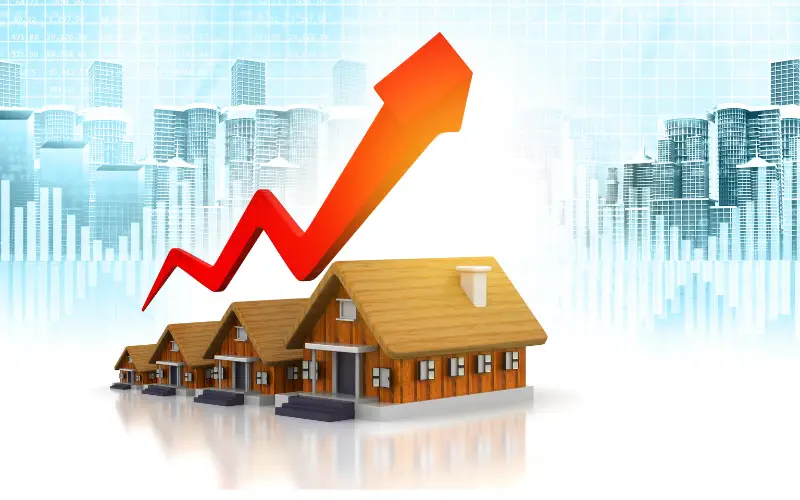
As you navigate the ever-evolving landscape of the real estate market, it becomes increasingly clear that understanding current trends is essential for making informed decisions. The real estate sector is not just about buying and selling properties; it reflects broader economic, social, and technological shifts. In recent years, various factors have influenced market dynamics, from demographic changes to advancements in technology.
- Key Takeaways
- Sustainable and Eco-Friendly Developments
- Shift in Urban and Suburban Living Preferences
- Rise of Virtual and Augmented Reality in Real Estate
- Impact of Technology on Property Management
- Affordable Housing Solutions
- Influence of Remote Work on Property Demand
- Emphasis on Health and Wellness Amenities
- Changes in Commercial Real Estate Demand
- Impact of Climate Change on Property Values
- Investment Opportunities in Emerging Markets
- FAQs
- How will sustainable and eco-friendly properties impact the real estate market in 2025?
- What role will smart homes and technology integration play in the real estate market in 2025?
- How will remote work impact housing preferences in 2025?
- What is the outlook for urbanization and mixed-use developments in 2025?
keeping a pulse on these trends, you can better position yourself to capitalize on opportunities and mitigate risks. The real estate market is a barometer of societal changes, and as you delve deeper into its trends, you will notice how interconnected these elements are. For instance, the rise of remote work has reshaped where people choose to live, while sustainability has become a priority for many buyers.
Understanding these trends not only helps you make strategic investments but also allows you to anticipate future developments that could impact property values and demand.
Key Takeaways
- Real estate market trends are constantly evolving and influenced by various factors such as technology, sustainability, and urban living preferences.
- Sustainable and eco-friendly developments are becoming increasingly popular in the real estate market, with a focus on energy efficiency and environmentally friendly design.
- There is a noticeable shift in urban and suburban living preferences, with more people opting for urban areas due to convenience and access to amenities.
- Virtual and augmented reality are on the rise in the real estate industry, offering immersive experiences for property viewing and development planning.
- Technology is significantly impacting property management, with the use of digital platforms and tools for efficient operations and tenant communication.
Sustainable and Eco-Friendly Developments
In recent years, there has been a significant shift towards sustainable and eco-friendly developments in the real estate market. As you consider your options, you may find that properties designed with sustainability in mind are becoming increasingly desirable. Buyers are now more conscious of their environmental footprint, leading to a growing demand for homes that incorporate energy-efficient technologies, sustainable materials, and green building practices.
This trend is not just a passing fad; it reflects a broader societal commitment to combating climate change and promoting environmental stewardship. As you explore sustainable developments, you will discover that they often come with long-term financial benefits as well. Properties that are energy-efficient can lead to lower utility bills, making them more attractive to potential buyers or renters.
Additionally, many governments offer incentives for green building practices, which can further enhance the value of these properties. investing in eco-friendly developments, you not only contribute to a healthier planet but also position yourself for potential financial gains in the future.
Shift in Urban and Suburban Living Preferences
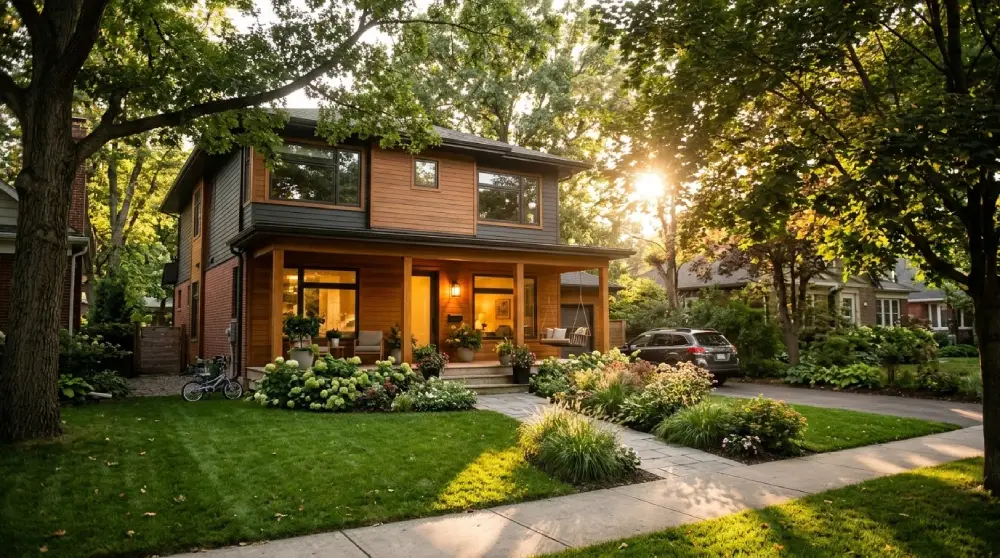
The pandemic has catalyzed a notable shift in living preferences, with many individuals reevaluating their housing needs. As you assess your own living situation or investment opportunities, you may notice a growing trend toward suburban living. The allure of spacious homes with yards and access to nature has become increasingly appealing as people seek refuge from the hustle and bustle of urban life.
This shift has led to a surge in demand for suburban properties, often resulting in rising prices in these areas. However, urban living is not entirely losing its appeal. Many people still value the vibrancy and convenience of city life, particularly young professionals and those without children.
As you consider your options, it’s essential to recognize that both urban and suburban markets have unique advantages and challenges. Understanding these preferences can help you make informed decisions about where to invest or settle down, ensuring that your choices align with current market demands.
Rise of Virtual and Augmented Reality in Real Estate
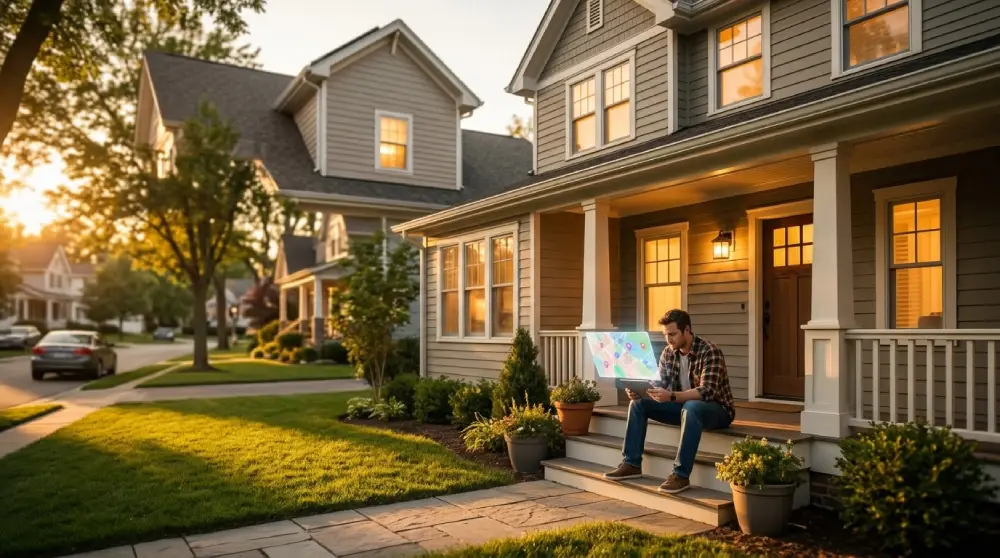
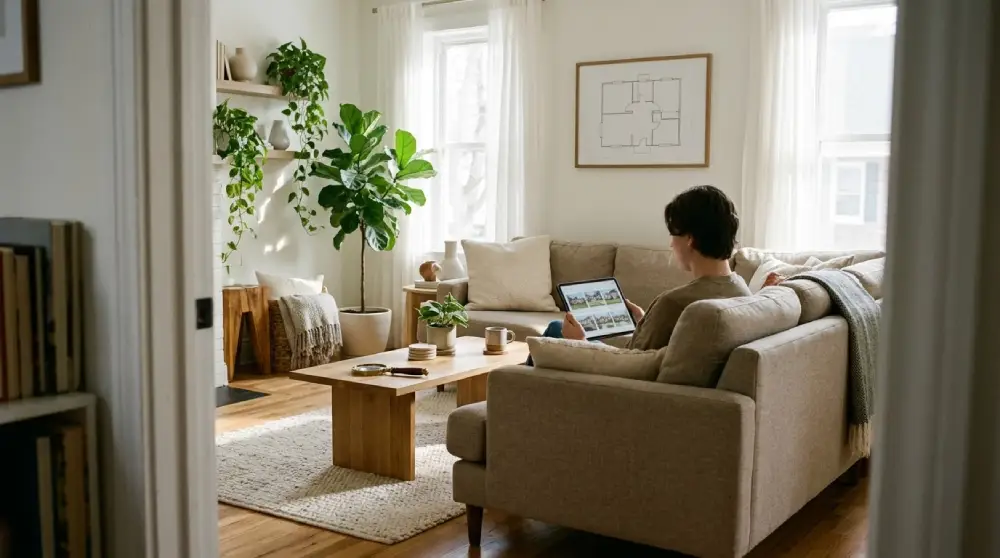
The integration of virtual and augmented reality (VR and AR) into the real estate sector is revolutionizing how properties are marketed and sold. As you explore the market, you may find that many real estate agents and developers are leveraging these technologies to create immersive experiences for potential buyers. Virtual tours allow you to explore properties from the comfort of your home, providing a convenient way to narrow down your options without the need for physical visits.
Moreover, AR technology enhances the buying experience by allowing you to visualize how a space could look with different furnishings or renovations. This capability not only makes the decision-making process more engaging but also helps you envision the potential of a property before making a commitment. As these technologies continue to evolve, they will likely play an increasingly significant role in shaping your real estate journey.
Impact of Technology on Property Management
Technology is transforming property management in ways that enhance efficiency and improve tenant experiences. As you consider investing in rental properties or managing your own, you may find that property management software can streamline operations significantly. From automated rent collection to maintenance request tracking, these tools can save time and reduce stress for both landlords and tenants.
Additionally, technology enables better communication between property managers and residents. With mobile apps and online portals, tenants can easily access information about their leases, submit maintenance requests, or communicate concerns. This level of transparency fosters a positive relationship between landlords and tenants, ultimately leading to higher tenant satisfaction and retention rates.
Embracing technology in property management not only simplifies your responsibilities but also enhances the overall experience for everyone involved.
Affordable Housing Solutions
The issue of affordable housing continues to be a pressing concern across many regions. As you explore the real estate market, you may encounter various initiatives aimed at addressing this challenge. Governments and non-profit organizations are increasingly collaborating with developers to create affordable housing solutions that cater to low- and moderate-income families.
These efforts often involve innovative financing models or public-private partnerships designed to make housing more accessible. As an investor or homebuyer, understanding the landscape of affordable housing can open up new opportunities for you. Properties in affordable housing developments may offer lower entry points for investment while still providing stable returns due to consistent demand.
Additionally, supporting affordable housing initiatives aligns with social responsibility goals, allowing you to contribute positively to your community while also pursuing financial growth.
Influence of Remote Work on Property Demand
The rise of remote work has fundamentally altered property demand across various markets. As more companies embrace flexible work arrangements, individuals are no longer tethered to urban centers for employment. This newfound freedom allows you to consider locations that were previously overlooked due to commuting constraints.
Consequently, suburban and rural areas are experiencing increased interest as people seek larger homes with dedicated office spaces. This shift has implications for both residential and commercial real estate markets. While demand for office spaces in urban areas may decline, there is an opportunity for adaptive reuse of these spaces or the development of co-working environments in suburban settings.
As you evaluate your options in this changing landscape, it’s crucial to consider how remote work trends will continue to shape property demand in the years ahead.
Emphasis on Health and Wellness Amenities
In light of recent global health events, there has been a heightened focus on health and wellness amenities within residential and commercial properties. As you search for your next home or investment opportunity, you may notice that features such as fitness centers, outdoor spaces, and air quality systems are becoming increasingly sought after. Buyers are prioritizing properties that promote a healthy lifestyle and provide access to wellness resources.
Moreover, developers are recognizing this trend by incorporating wellness-focused designs into their projects. Properties with green spaces, walking trails, and communal gardens not only enhance residents’ quality of life but also increase property values. investing in or choosing properties that emphasize health and wellness amenities, you align yourself with a growing market demand while also contributing positively to your well-being.
Changes in Commercial Real Estate Demand
The commercial real estate sector is undergoing significant transformations as businesses adapt to new economic realities. As you explore investment opportunities or consider leasing commercial space, it’s essential to understand how demand is shifting across various sectors. Retail spaces have faced challenges due to the rise of e-commerce, prompting many businesses to rethink their physical footprints.
Conversely, logistics and warehousing spaces have seen increased demand as online shopping continues to thrive. Additionally, flexible office spaces are gaining traction as companies seek adaptable solutions that accommodate fluctuating workforce sizes. staying informed about these changes in commercial real estate demand, you can make strategic decisions that align with current market trends while positioning yourself for future growth.
Impact of Climate Change on Property Values
Climate change is an undeniable force shaping the real estate market today. As you consider potential investments or purchases, it’s crucial to assess how climate-related risks may impact property values over time. Areas prone to flooding, wildfires, or extreme weather events may see declining interest from buyers due to concerns about safety and insurance costs.
Conversely, properties located in regions with proactive climate adaptation measures may retain or even increase their value as buyers prioritize resilience against climate risks. Understanding these dynamics allows you to make informed decisions about where to invest while also considering the long-term sustainability of your choices.
Investment Opportunities in Emerging Markets
Emerging markets present unique investment opportunities within the real estate sector as they often experience rapid growth and development. As you explore these markets, you may find that factors such as urbanization, population growth, and economic expansion create favorable conditions for real estate investment. identifying regions poised for growth, you can position yourself ahead of trends that could yield significant returns.
However, investing in emerging markets also comes with its own set of challenges. It’s essential to conduct thorough research and understand local regulations, cultural nuances, and economic conditions before diving in. approaching these opportunities with diligence and foresight, you can tap into the potential of emerging markets while navigating the complexities they present.
In conclusion, staying informed about current real estate market trends is vital for making sound investment decisions or finding your ideal home. From sustainable developments to shifts in living preferences and technological advancements, each trend offers unique insights into the evolving landscape of real estate. understanding these dynamics and adapting your strategies accordingly, you can position yourself for success in this ever-changing market.
FAQs
What are the top real estate market trends to watch in 2025?
Some of the top real estate market trends to watch in 2025 include the rise of sustainable and eco-friendly properties, the increasing popularity of smart homes and technology integration, the impact of remote work on housing preferences, and the continued growth of urbanization and mixed-use developments.
How will sustainable and eco-friendly properties impact the real estate market in 2025?
Sustainable and eco-friendly properties are expected to have a significant impact on the real estate market in 2025 as more buyers prioritize energy efficiency, environmentally friendly materials, and sustainable design. This trend is likely to drive demand for green buildings and influence property values.
What role will smart homes and technology integration play in the real estate market in 2025?
Smart homes and technology integration are anticipated to play a major role in the real estate market in 2025, with more properties incorporating advanced automation, security systems, and energy management solutions. This trend is expected to appeal to tech-savvy buyers and enhance the overall value of properties.
How will remote work impact housing preferences in 2025?
The impact of remote work on housing preferences in 2025 is expected to result in a shift towards flexible and adaptable living spaces, as more individuals seek home offices, outdoor amenities, and access to high-speed internet. This trend may also lead to increased demand for properties in suburban and rural areas.
What is the outlook for urbanization and mixed-use developments in 2025?
Urbanization and mixed-use developments are projected to continue growing in importance in the real estate market in 2025, with a focus on creating walkable communities, mixed-use spaces, and access to public transportation. This trend reflects the ongoing desire for convenience, connectivity, and diverse amenities.