Should you renovate before selling your home? This is one of the most common questions homeowners ask when they decide to put their property on the market. The honest answer depends on your home’s condition, your local market, and what buyers in your area actually want to see. Some upgrades genuinely help a home sell faster and leave a stronger impression, while others end up being unnecessary effort that doesn’t change a buyer’s decision. This guide breaks down exactly how to think through the renovate or sell as is question.
- Why This Decision Matters So Much
- Signs You Should Consider Renovating
- Signs You Might Skip Renovating
- Renovations That Tend to Make the Biggest Impact
- Renovations That Often Aren't Worth the Effort
- How to Decide What's Right for Your Home
- Simple Alternatives to Full Renovations
- Final Thoughts
- Frequently Asked Questions
Why This Decision Matters So Much
The condition of your home directly shapes how buyers perceive its value the moment they walk through the door. A home that feels dated, worn out, or poorly maintained can make buyers hesitant, even if the structure itself is solid. On the other hand, a home that feels fresh, clean, and move in ready tends to attract more interest and stronger offers.
That said, renovating isn’t automatically the right move for every seller. Understanding when it helps and when it doesn’t is the real key to making a smart decision.
Signs You Should Consider Renovating
Your Home Feels Outdated
If your kitchen, bathrooms, or flooring haven’t been touched in decades, buyers may struggle to picture themselves living there. Outdated finishes often create a mental barrier, even when the home is otherwise functional and well built.
There Are Visible Repair Issues
Peeling paint, damaged flooring, leaky faucets, or broken fixtures send a signal to buyers that the home hasn’t been cared for. These small issues can make buyers wonder what other problems might be hiding beneath the surface.
Your Home Is Competing With Newer Listings
If similar homes nearby have been recently updated, an untouched property can feel less appealing by comparison. Buyers naturally gravitate toward homes that require less work after move in.
The Layout Feels Closed Off or Inefficient
Modern buyers often prefer open, functional layouts. If your home has choppy, disconnected spaces, some light renovation work can make it feel more spacious and livable.
Signs You Might Skip Renovating
Your Home Is Already in Good Condition
If your home has been well maintained and doesn’t show obvious wear, major renovations may not add much value to the sale.
You’re Planning to Sell As Is
Some sellers prefer a faster, simpler process. Selling as is can appeal to buyers looking for a project or investment property, especially in markets where such buyers are active.
The Market Favors Sellers
In a strong seller’s market, buyers may be more willing to overlook cosmetic imperfections simply because inventory is limited and demand is high.
Renovation Timelines Don’t Match Your Selling Goals
If you need to sell quickly, lengthy renovation projects can delay your timeline and create unnecessary stress.
Renovations That Tend to Make the Biggest Impact
Fresh Paint Throughout the Home
A neutral, updated paint color can instantly make a home feel cleaner and more modern. It’s one of the simplest ways to refresh a space without a major overhaul.
Kitchen Refreshes
You don’t always need a full kitchen remodel. Updating cabinet hardware, refinishing surfaces, or replacing outdated lighting can make a noticeable difference.
Bathroom Updates
Buyers pay close attention to bathrooms. Small changes like updated fixtures, regrouted tile, or a fresh vanity can make the space feel newer.
Flooring Improvements
Worn carpet or scratched flooring can be a major turnoff. Refinishing hardwood or replacing damaged flooring often creates a strong first impression.
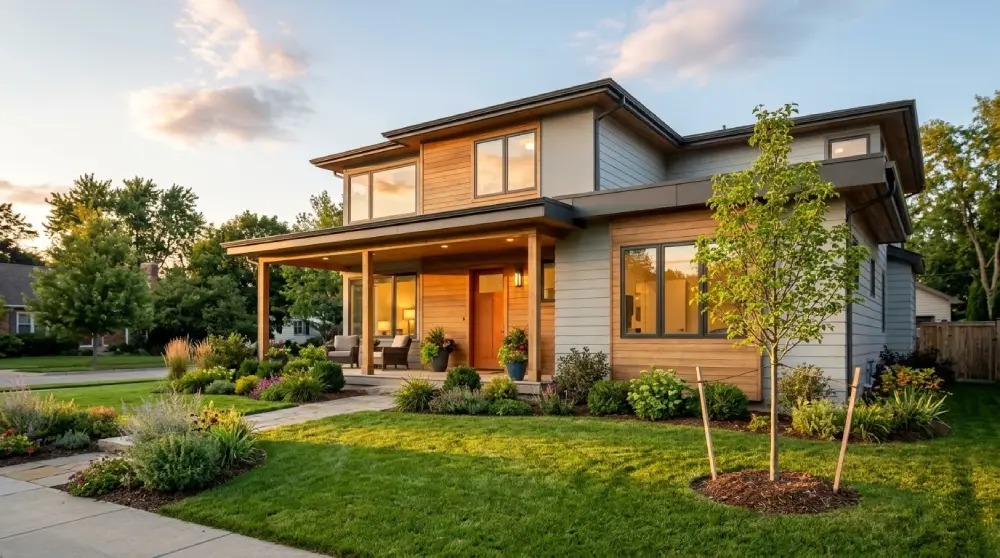
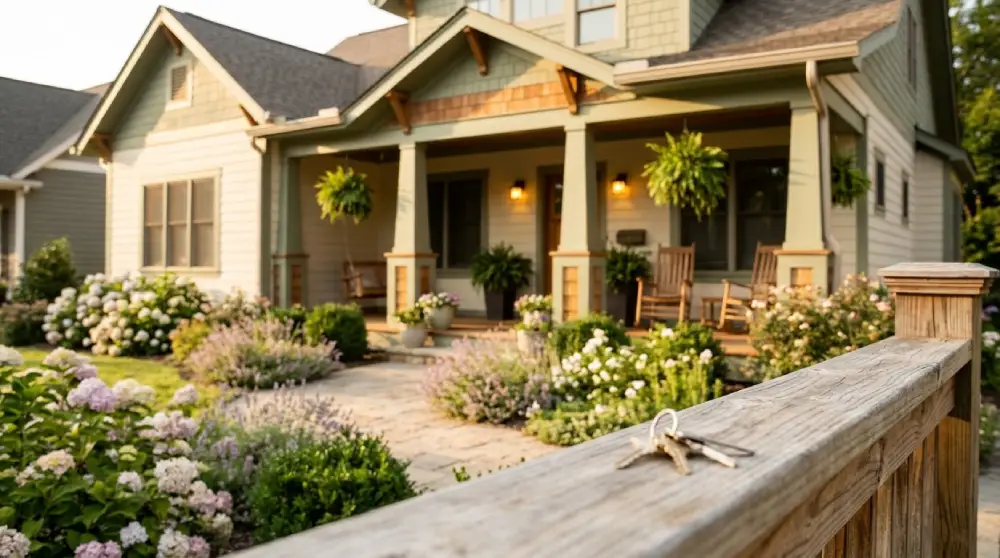
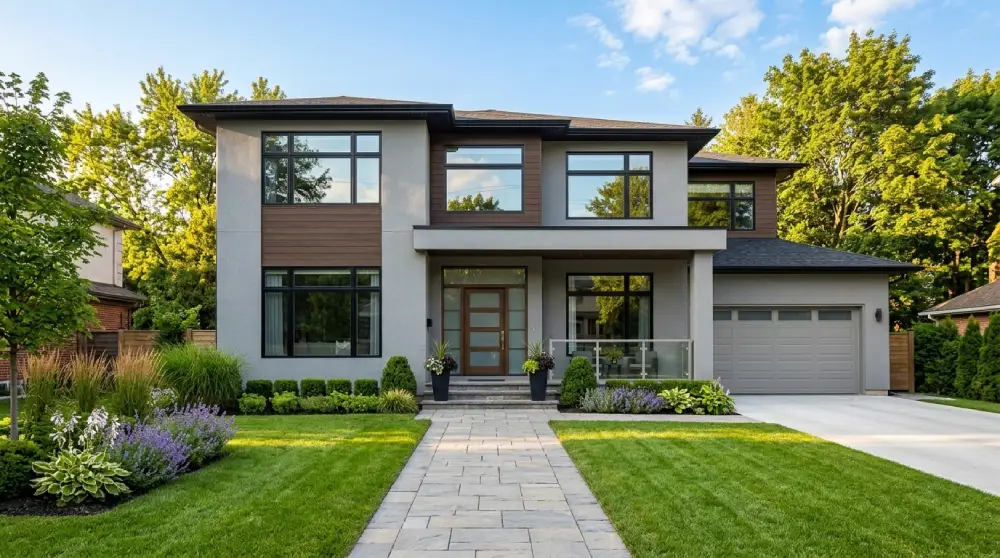
Curb Appeal Enhancements
The exterior is the first thing buyers see. Simple landscaping cleanup, a tidy entryway, and well maintained siding can significantly boost interest before buyers even step inside.
Renovations That Often Aren’t Worth the Effort
Highly Personalized Upgrades
Bold color choices, custom built ins, or niche design features may not appeal to a wide range of buyers.
Major Structural Changes
Large scale renovations like room additions or full layout overhauls usually take too long and may not align with what buyers in your specific market are looking for.
Luxury Upgrades in a Modest Neighborhood
High end finishes can look great, but if they don’t match the overall neighborhood standard, they may not resonate with buyers shopping in that area.
How to Decide What’s Right for Your Home
Evaluate Your Home’s Current Condition
Walk through your home as if you were a buyer. Note areas that feel outdated, worn, or in need of attention.
Think About Your Local Market
Consider what similar homes nearby look like. If most listings in your area have been updated, buyers may expect the same from your home.
Consider Your Selling Timeline
If you need to sell quickly, focus on smaller, high impact updates rather than major renovation projects.
Think About Buyer Expectations
Buyers today often look for homes that feel clean, functional, and ready to move into. Small improvements that reduce a buyer’s to do list can make your home more appealing.
Simple Alternatives to Full Renovations
If a full renovation doesn’t fit your timeline or goals, there are smaller updates that can still make a meaningful difference.
Deep Cleaning
A spotless home instantly feels more valuable and well cared for.
Decluttering and Staging
Removing excess items and arranging furniture thoughtfully helps buyers visualize the space more clearly.
Minor Repairs
Fixing small issues like loose cabinet handles, squeaky doors, or chipped paint can improve the overall impression without major investment.
Lighting Improvements
Brighter, updated lighting fixtures can make rooms feel more inviting and modern.
Final Thoughts
Deciding whether to renovate before selling comes down to understanding your home’s condition, your local market expectations, and your personal timeline. Full scale renovations aren’t always necessary, but strategic updates can make a real difference in how buyers perceive your home. Focus on improvements that enhance first impressions and reduce a buyer’s hesitation, and you’ll be in a strong position to make a smart, confident selling decision.
Frequently Asked Questions
Should I renovate my kitchen before selling my home?
It depends on your kitchen’s current condition. If it’s outdated or showing wear, small updates like new hardware, lighting, or refinished surfaces can help. A full remodel isn’t always necessary.
Is it better to sell my home as is or renovate first?
This depends on your timeline, your home’s condition, and buyer expectations in your area. Well maintained homes may not need renovations, while homes with visible issues may benefit from updates.
What renovations make the biggest difference when selling a home?
Fresh paint, updated lighting, minor kitchen and bathroom refreshes, and improved curb appeal tend to make the most noticeable impact on buyers.
Do buyers prefer move in ready homes?
Many buyers do prefer homes that require little to no additional work, since it reduces stress and effort after purchase.
What if I don’t have time to renovate before selling?
If your timeline is tight, focus on smaller improvements like deep cleaning, decluttering, staging, and minor repairs instead of large scale renovations.