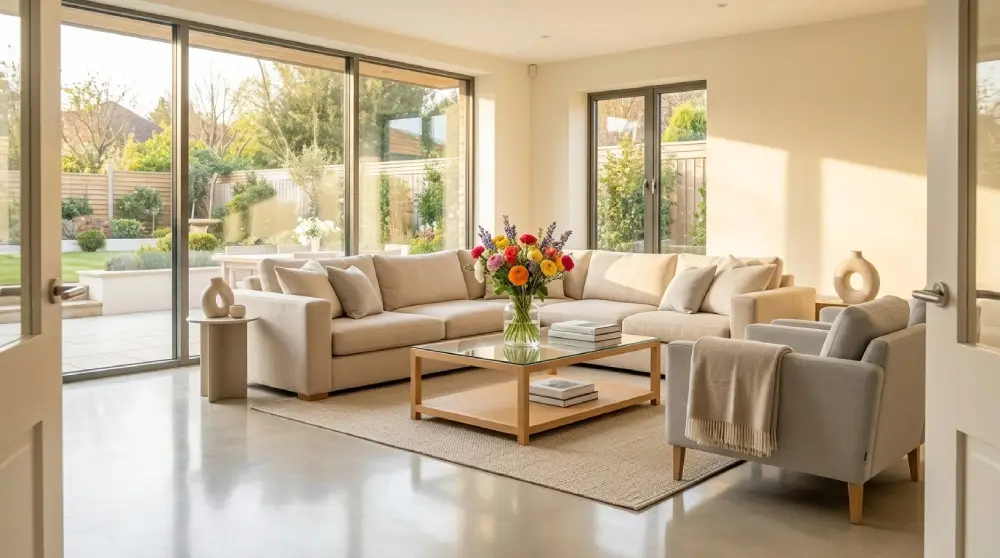
Learning how to prepare your home for an open house can feel overwhelming, but a little planning goes a long way toward making a strong first impression on buyers. An open house is often a buyer’s first real chance to imagine themselves living in your space, so every detail matters, from the curb to the closets. This guide walks you through practical, easy to follow steps that help your home look inviting, spacious, and move in ready.
Start With a Deep Clean
A spotless home instantly feels more valuable and cared for. Buyers notice cleanliness before almost anything else, so this step should never be skipped.
Focus on High Traffic Areas
Kitchens and bathrooms tend to get the most attention during walkthroughs. Wipe down countertops, scrub sinks, and make sure appliances look shiny and fresh. Even small details like clean light switches and door handles can make a noticeable difference.
Don’t Forget Hidden Spots
Buyers often peek into closets, under sinks, and inside cabinets. Take time to tidy these areas as well, since a cluttered closet can make a room feel smaller than it actually is.
Declutter Every Room

Clutter is one of the biggest distractions for potential buyers. When a home feels crowded with personal items, it becomes harder for visitors to picture their own belongings there.
Clear Countertops and Surfaces
Kitchen counters, bathroom vanities, and shelves should be as clean and open as possible. Leave out only a few tasteful items to keep spaces looking natural rather than empty.
Pack Away Personal Items
Family photos, personal collections, and unique décor can make it harder for buyers to imagine themselves living in the home. Consider boxing these items and storing them out of sight until the open house is over.
Depersonalize the Space
While your home reflects your personality, buyers need to see it as a blank canvas they can make their own. Depersonalizing helps create that welcoming, neutral feeling.
Neutralize Wall Colors
If your walls feature bold or unusual colors, consider whether a neutral tone would appeal to a wider range of buyers. Soft, warm neutrals tend to feel calming and universally appealing.
Simplify Décor
Remove excessive decorations, seasonal items, and anything overly specific to your taste. A simple, tasteful setup allows buyers to focus on the home itself rather than your belongings.
Boost Curb Appeal
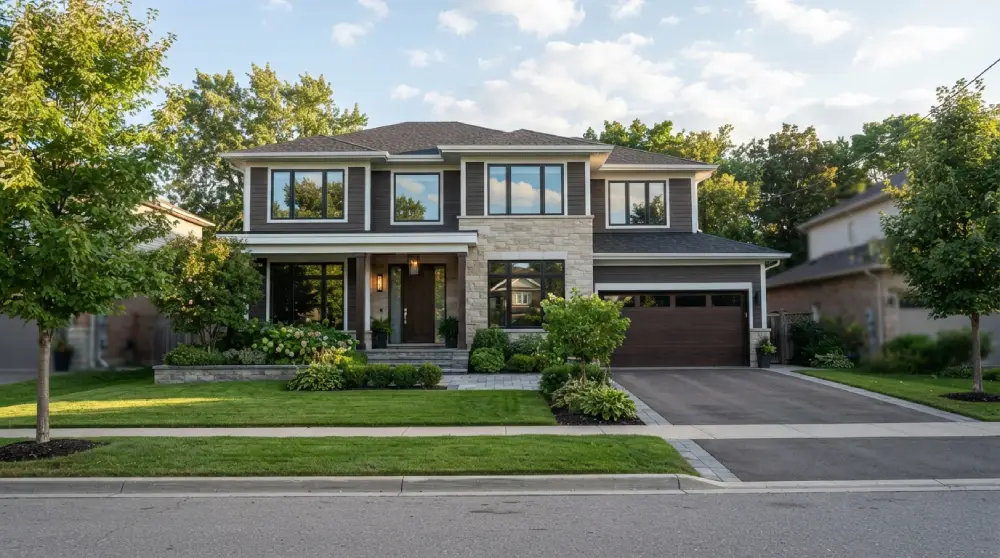
The exterior of your home sets the tone before buyers even step inside. A well kept front yard signals that the rest of the home has been cared for too.
Tidy the Landscaping
Trim bushes, mow the lawn, and pull any visible weeds. Fresh mulch or seasonal flowers near the entrance can add a warm, welcoming touch.
Refresh the Entryway
Clean the front door, polish the doorknob, and consider adding a new welcome mat. A bright, tidy entryway creates a positive first impression that carries through the entire visit.
Let in Natural Light
Bright, airy spaces tend to feel larger and more inviting. Lighting plays a major role in how buyers perceive each room.
Open Curtains and Blinds
Before the open house begins, open all curtains and blinds to let in as much natural light as possible. This simple step instantly makes rooms feel more spacious and cheerful.
Turn On All Lights
Even during the day, turning on interior lights helps brighten darker corners and hallways. This small effort makes the entire home feel warm and welcoming.
Stage Each Room Thoughtfully
Staging helps buyers visualize how each space can be used. Thoughtful arrangement of furniture and décor makes rooms feel functional and comfortable.
Arrange Furniture for Flow
Position furniture so that each room feels open and easy to walk through. Avoid blocking natural pathways, since buyers should be able to move freely from room to room.
Highlight Key Features
If your home has a fireplace, large windows, or built in shelving, arrange furniture to draw attention to these features rather than hide them.
Eliminate Odors
Smell plays a surprisingly powerful role in how buyers experience a home. Unpleasant odors can leave a lasting negative impression, even if everything else looks perfect.
Freshen the Air Naturally
Open windows for a while before the open house to let fresh air circulate. Light, natural scents like citrus or fresh linen tend to feel more universally pleasant than strong artificial fragrances.
Address Pet and Cooking Smells
If you have pets, make sure litter boxes and pet areas are cleaned thoroughly. Avoid cooking strong smelling foods right before the open house begins.
Handle Small Repairs
Minor issues can catch a buyer’s eye and raise questions about the home’s overall condition. Taking care of these details shows that the home has been well maintained.
Fix Visible Flaws
Patch small holes in walls, tighten loose cabinet handles, and replace any burnt out light bulbs. These quick fixes create a polished, well cared for appearance.
Check Doors and Windows
Make sure all doors open and close smoothly and that windows aren’t stuck. Buyers often test these features, so smooth functionality leaves a positive impression.
Prepare Pets and Plan for the Day
If you have pets, it’s best to arrange for them to be elsewhere during the open house. Pets can be a distraction for some buyers and may even trigger allergies.
Secure Pet Items
Store pet bowls, toys, and bedding out of sight. This helps buyers focus on the home rather than being reminded of pet related maintenance.
Plan to Step Away
It’s generally best for homeowners to leave during the actual open house. Buyers tend to feel more comfortable exploring and discussing the space freely when the owner isn’t present.
Final Walkthrough Before Guests Arrive
Right before the open house begins, take a final walk through every room. This last check helps catch anything that might have been missed earlier.
Check Every Room
Look at each space with fresh eyes, as if you were a buyer seeing it for the first time. Straighten cushions, close cabinet doors, and make sure everything looks tidy and inviting.
Set the Right Atmosphere
Soft background music and a comfortable indoor temperature can help create a relaxed, welcoming environment for visitors.
Conclusion
Preparing your home for an open house takes thoughtful planning, but the payoff is a space that feels bright, welcoming, and ready for new owners. From deep cleaning and decluttering to boosting curb appeal and handling small repairs, each step plays a part in creating a strong first impression. With a little effort and attention to detail, your open house can showcase your home at its very best.
Frequently Asked Questions
How far in advance should I start preparing for an open house?
It’s best to begin preparing at least one to two weeks in advance so you have enough time to clean, declutter, and handle any small repairs without feeling rushed.
Should I remove all personal photos before an open house?
Yes, removing most personal photos helps buyers picture themselves living in the space rather than feeling like they’re touring someone else’s home.
Is it necessary to hire a professional cleaner?
While not required, a professional cleaning can help ensure every corner of the home looks spotless, especially in kitchens and bathrooms where buyers pay close attention.
What should I do with pets during the open house?
It’s best to have pets stay with a friend, family member, or pet sitter during the open house to avoid distractions and potential allergy concerns for visitors.
Should homeowners be present during the open house?
No, it’s generally recommended that homeowners leave during the open house so buyers can explore comfortably and speak openly about the home.