A home inspection checklist is one of the most valuable tools you can use before buying or selling a property. It helps you spot hidden issues, understand the true condition of a home, and make an informed decision with confidence. Whether you are a first time buyer or a seasoned homeowner preparing to list your property, knowing what to look for during an inspection can save you from unpleasant surprises later.
Why a Home Inspection Checklist Matters
A structured checklist ensures nothing important gets overlooked during the inspection process. It gives buyers a clear picture of the property condition and gives sellers a chance to fix problems before they become deal breakers. Using a checklist also keeps the entire process organized and stress free.
Exterior Inspection Checklist
The outside of a home tells you a lot about how well it has been maintained over the years.
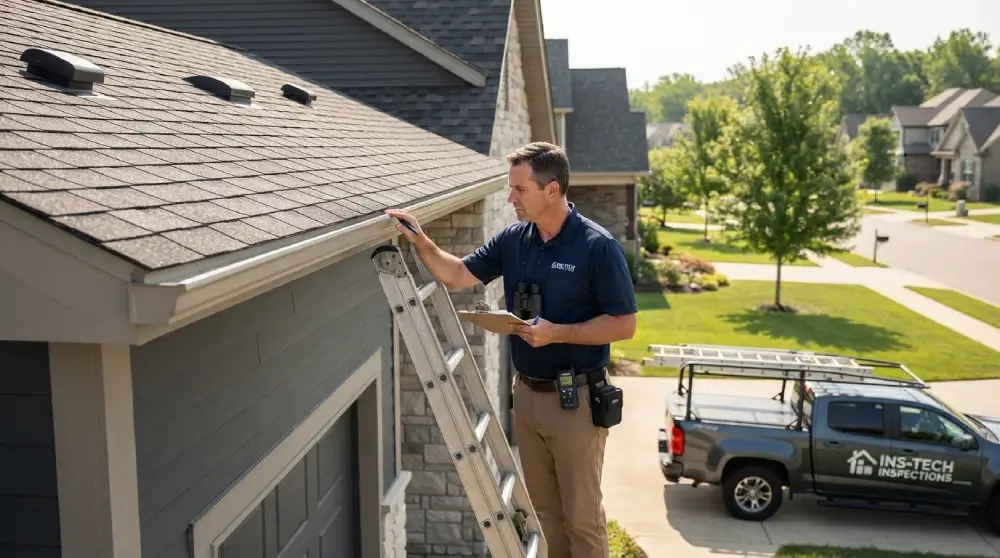
Roof and Gutters
Check the roof for missing shingles, cracks, or signs of water damage. Gutters and downspouts should be clear of debris and properly attached, since clogged gutters can lead to water pooling near the foundation.
Foundation and Walls
Look closely at the foundation for visible cracks, uneven settling, or moisture stains. Exterior walls should be free from bulging, crumbling, or significant gaps that could point to structural concerns.
Windows and Doors
Test that all windows and doors open and close smoothly. Check for cracked glass, damaged seals, and drafts, as these can affect energy efficiency and comfort inside the home.
Interior Inspection Checklist
Once the exterior is covered, it is time to move indoors and examine the core systems of the home.
Walls Ceilings and Floors
Inspect walls and ceilings for cracks, water stains, or peeling paint, all of which may hint at leaks or structural shifting. Floors should be checked for squeaks, soft spots, or uneven surfaces.
Plumbing System
Run every faucet and flush every toilet to check water pressure and drainage speed. Look under sinks for leaks, corrosion, or mold, and check visible pipes for rust or damage.
Electrical System
Test light switches and outlets throughout the home to confirm they are working properly. The electrical panel should be inspected for outdated wiring, exposed wires, or signs of overheating.
Heating and Cooling System
Turn on the heating and cooling systems separately to make sure both are functioning as expected. Ask about the age of the furnace and air conditioning unit, since older systems may need attention soon.
Kitchen and Bathroom Checks
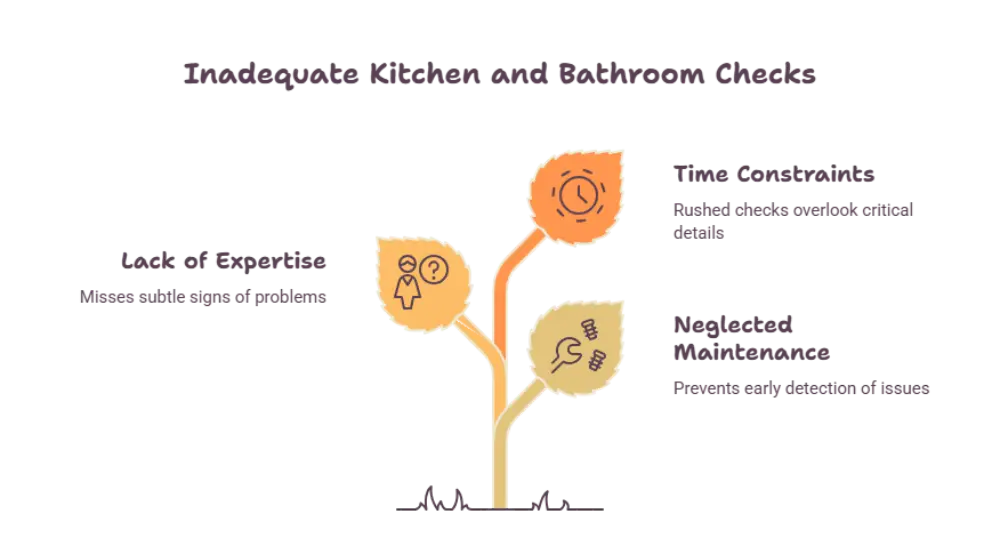
Kitchens and bathrooms often reveal the most about a home’s upkeep because they involve heavy daily use.
In the kitchen, check that all appliances turn on and operate correctly, and inspect cabinets and countertops for damage. In bathrooms, look for proper ventilation, working exhaust fans, and any signs of mold or mildew around tubs, showers, and tile grout.
Basement Attic and Crawl Space
These often overlooked areas can reveal issues that are not visible elsewhere in the home.
The basement should be checked for moisture, musty odors, and cracks in the walls or floor. The attic needs proper insulation and ventilation, along with a check for any signs of pests or roof leaks. A crawl space should be dry and free from standing water or visible mold.
Safety Features to Verify
Safety should never be an afterthought during a home inspection.
Smoke detectors and carbon monoxide detectors should be present and functioning in appropriate locations throughout the home. Check that handrails on stairs are sturdy and that the garage door opener includes a working auto reverse safety feature.
Final Walkthrough Tips
Before finishing the inspection, take a slow walk through every room one more time with the checklist in hand. Bring a flashlight to check dark corners, take photos of anything questionable, and note items that may need follow up from a specialist. Trust your observations, and do not hesitate to ask questions about anything that seems unclear.
Conclusion
A thorough home inspection checklist gives buyers and sellers peace of mind by uncovering the true condition of a property. From the roof down to the crawl space, checking every major system and structural element helps prevent costly surprises down the road. Keep this checklist handy during your next inspection so you can move forward with clarity and confidence.
Frequently Asked Questions
What is included in a standard home inspection checklist?
A standard checklist covers the roof, foundation, plumbing, electrical system, heating and cooling, windows, doors, and interior spaces such as the basement and attic.
How long does a home inspection usually take?
Most home inspections take a few hours to complete, depending on the size and condition of the property.
Can I attend the home inspection in person?
Yes, buyers are encouraged to attend the inspection so they can ask questions and see any issues firsthand.
What happens if the inspection finds problems?
If issues are found, buyers and sellers typically discuss repairs, further evaluation by a specialist, or other next steps before moving forward.
Do sellers need a home inspection before listing?
While not required, a pre listing inspection can help sellers identify and address issues early, making the selling process smoother.