Investing in real estate is one of the most proven ways to build long-term wealth, but buying the wrong property can quickly turn a dream into a financial headache. The secret to success lies in knowing how to analyze rental properties like a seasoned professional before you ever sign a contract.
Whether you are looking for your very first duplex or expanding an existing portfolio, numbers do not lie. learning a structured approach to evaluation, you can strip the emotion out of the buying process and ensure every investment generates steady cash flow. This comprehensive guide will walk you through the essential steps, formulas, and strategies to confidently evaluate any real estate deal.
- Why You Must Know How to Analyze Rental Properties
- Step 1 Gather the Critical Property Data
- Step 2 Calculate the Gross Rental Income
- Step 3 Estimate Operating Expenses Accurately
- Step 4 Master Key Metrics for How to Analyze Rental Properties
- Step 5 Analyze the Local Market Dynamics
- Summary of Best Practices for Smart Property Analysis
- Frequently Asked Questions
Why You Must Know How to Analyze Rental Properties
Many beginner investors buy real estate based on a gut feeling or because a house looks nice. This is a critical mistake. Learning how to analyze rental properties ensures that you treat your investment strictly as a business.
A thorough property analysis helps you manage risks by identifying hidden costs before they eat into your profits. It also allows you to compare completely different properties side by side, ensuring you deploy your hard-earned capital into the deal that offers the highest return. Ultimately, it gives you the confidence to walk away from a bad deal and strike quickly when a good one appears.
Step 1 Gather the Critical Property Data
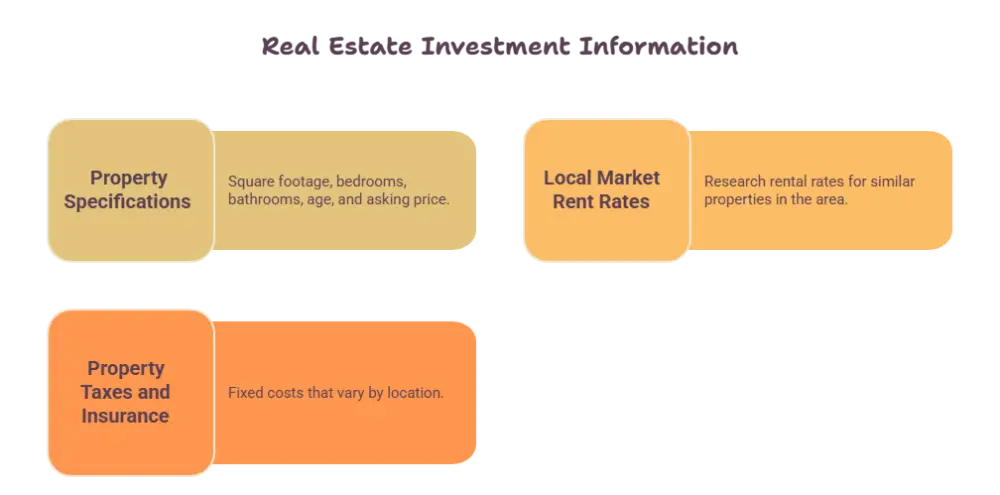
Before you can run any calculations, you need to collect accurate information about the property and the local market.
Property Specifications and Listing Price
Start with the basics. Look at the total square footage, the number of bedrooms and bathrooms, and the overall age of the structure. The asking price serves as your baseline, but you should also look at historical sales data for the neighborhood to ensure the price is fair.
Local Market Rent Rates
Your potential income depends entirely on the local market. Research what similar properties in the immediate area are renting for. Look at active listings on rental platforms to understand the current demand and what tenants expect at various price points.
Property Taxes and Insurance Costs
These are fixed costs that vary wildly by location. You can usually find the current property tax rate through local county records. For insurance, it is wise to get a quick quote from an agent, keeping in mind that rental property insurance is generally higher than standard homeowner insurance.
Step 2 Calculate the Gross Rental Income
The foundation of your financial analysis is the Gross Scheduled Income, which represents the maximum amount of money the property could generate if it were fully occupied and every tenant paid rent on time.
To calculate this, take the expected monthly rent and multiply it by twelve. For example, if a property can realistically command two thousand dollars per month, your Gross Scheduled Income is twenty-four thousand dollars per year.
However, relying on a best case scenario is dangerous. Smart investors always factor in a vacancy rate. Properties will occasionally sit empty between tenants, or you might have to deal with unexpected nonpayment. Applying a standard five percent or ten percent vacancy allowance to your gross income provides a much safer, more realistic baseline for your ongoing calculations.
Step 3 Estimate Operating Expenses Accurately
The fastest way to lose money in real estate is to underestimate how much it costs to keep the property running. Operating expenses include everything except your mortgage payment and income taxes.
Ongoing Property Management Fees
Even if you plan to manage the property yourself initially, you should always factor in a management fee. If you ever want to hand over the daily landlord headaches to a professional company, your deal needs to support that cost. Professional property managers typically charge between eight percent and twelve percent of the monthly rent collection.
Maintenance and Capital Expenditures
Properties experience daily wear and tear, and major components eventually fail. You must set aside money every month for routine maintenance, like fixing leaky faucets, and capital expenditures, which are large scale replacements like a new roof or a fresh heating system. A good rule of thumb is to allocate ten percent of the monthly rent for routine maintenance and another ten percent for capital expenditures.
Fixed Utilities and HOA Dues
Determine who pays for water, sewer, trash, and electricity. In single family homes, tenants usually cover utilities, but in multi family buildings, landlords often pay for shared utilities. Additionally, check if the property sits within a Homeowners Association, as monthly or annual HOA dues are nonnegotiable expenses that you must account for.
Step 4 Master Key Metrics for How to Analyze Rental Properties
Once you have your income and expense numbers, you can use several industry standard metrics to determine if the property is worth buying.
Net Operating Income
Net Operating Income is the money left over after paying all operating expenses but before paying the mortgage. The formula is straightforward:
$$\text{Net Operating Income} = \text{Gross Operating Income} – \text{Operating Expenses}$$
This metric is incredibly important because it measures the organic profitability of the property itself, independent of how you choose to finance it.
The Cap Rate Calculation
The Capitalization Rate helps you understand the property’s rate of return if you were to pay for it entirely in cash. You find it by dividing the Net Operating Income by the total purchase price.
A higher cap rate generally indicates a higher potential return, but it also usually comes with higher localized risk.
Cash on Cash Return
If you are using a bank loan to buy the property, Cash on Cash Return is your most valuable metric. It calculates the percentage return on the actual money you out of pocket, such as your down payment, closing costs, and initial renovation expenses.
This tells you exactly how hard your physical cash is working for you compared to alternative investments like stocks or bonds.
Step 5 Analyze the Local Market Dynamics
An amazing house with perfect numbers on paper can still be a terrible investment if it is located in a dying market. True property analysis looks beyond the building itself.
Population and Job Growth
Look for cities and neighborhoods where the population is steadily growing and businesses are expanding. A diverse local economy with multiple major employers is much safer than a town that relies entirely on a single industry or factory.
Neighborhood Quality and School Districts
Properties located near highly rated schools, parks, shopping centers, and public transportation naturally attract higher quality, long-term tenants. These areas also tend to hold their value better during economic downturns and experience stronger long-term price appreciation.
Summary of Best Practices for Smart Property Analysis
To wrap up your evaluation process, keep these essential guidelines in mind whenever you review a potential investment:
- Always use conservative estimates for rent and vacancy rather than best case scenarios.
- Never skip a professional home inspection to avoid unexpected capital expenditures.
- Talk to local real estate agents and property managers to verify neighborhood trends.
- Stick strictly to your target metrics and be completely willing to walk away if the numbers do not line up.
Frequently Asked Questions
What is a good cash on cash return when learning how to analyze rental properties?
A good cash on cash return generally ranges between eight percent and twelve percent. However, this depends heavily on your specific investment goals, the local market conditions, and the amount of risk you are willing to take.
How does the one percent rule help analyze real estate?
The one percent rule is a quick screening tool stating that a property should rent for at least one percent of its total purchase price per month. If a house costs one hundred and fifty thousand dollars, it should rent for fifteen hundred dollars. It is not a substitute for a full analysis, but it helps filter out bad deals quickly.
What is the difference between operating expenses and capital expenditures?
Operating expenses are the regular, predictable costs required to run the property daily, such as insurance, taxes, and management fees. Capital expenditures are infrequent, large scale investments that extend the lifespan of the property, like replacing a roof or installing a new HVAC system.
Should I include mortgage principal payments in my net operating income?
No, you should not include mortgage payments in your Net Operating Income. Net Operating Income evaluates the profitability of the asset itself without the influence of debt. Mortgage payments are factored in later when you calculate your actual bottom-line cash flow.
Why is vacancy rate so important when evaluating a deal?
The vacancy rate is vital because a property will rarely stay occupied every single day of the year. Factoring in a vacancy rate protects your finances by ensuring the investment remains profitable even during the weeks or months when the property sits empty between tenants.