
You’ve navigated the exhilarating, and sometimes stressful, world of house hunting. You’ve found “the one,” made an offer, had it accepted, and now, the finish line is in sight: the real estate closing. This is the pivotal moment where ownership officially transfers from the seller to you. It’s a culmination of extensive paperwork, financial arrangements, and meticulous verification. While it might seem daunting, understanding the closing process empowers you to approach it with confidence and preparedness. This guide will walk you through each crucial step, ensuring you’re well-equipped for a smooth and successful transaction.
Understanding the Fundamentals: What Exactly is a Real Estate Closing?
Before diving into the nitty-gritty, let’s clarify what a real estate closing truly entails. At its core, a closing, also known as settlement, is the final step in a real estate transaction. It’s a meeting – which can sometimes happen virtually – where all parties involved come together to finalize the sale. This includes the buyer, the seller, their respective real estate agents, and representatives from the title company and lenders. During the closing, all necessary documents are signed, funds are disbursed, and legal ownership of the property is officially transferred.
The Players Involved: Who’s at the Table?
To navigate the closing process effectively, you need to know who’s involved and their roles:
The Buyer: You, the New Homeowner
Your primary role is to fulfill your contractual obligations, which primarily involve securing financing, providing necessary funds, and signing all required documents. You’ll be attending the closing (or signing your documents beforehand) and ensuring all your questions are answered.
The Seller: The Current Owner
The seller’s responsibilities include vacating the property by the agreed-upon date, satisfying any outstanding liens or issues with the title, and signing over ownership.
Real Estate Agents: Your Guides and Negotiators
Your agents, both buyer’s and seller’s, are instrumental throughout the entire process, not just in finding the property. They facilitate communication, negotiate terms, and guide you through each stage, including the closing.
The Lender: Your Financial Partner
If you’re obtaining a mortgage, your lender plays a vital role. They will conduct an appraisal, underwrite your loan, and ensure all their requirements are met before disbursing funds.
The Title Company or Escrow Agent: The Neutral Facilitator
This is a critical player. The title company or escrow agent acts as a neutral third party, holding earnest money deposits, managing all closing documents, conducting the title search, and ensuring all conditions of the sale are met before releasing funds and recording the deed.
Attorneys (Optional but Recommended): Legal Expertise
While not always mandatory, having a real estate attorney can be incredibly beneficial. They review contracts, advise on legal implications, and ensure your interests are protected throughout the closing.
The Purpose of the Closing: A Definitive Transfer of Ownership
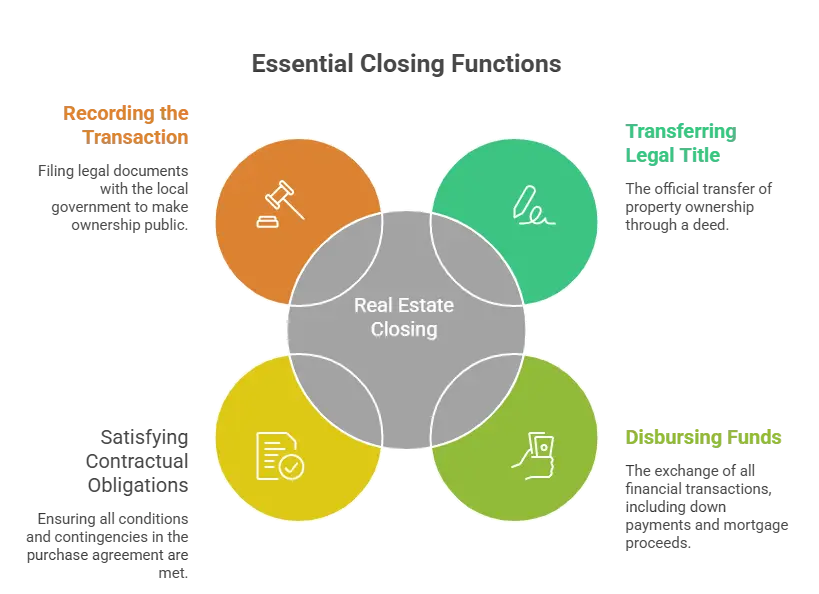
The closing serves several vital functions:
Transferring Legal Title: The Deed’s Journey
The most significant action at closing is the signing and transfer of the deed. This legal document officially conveys ownership of the property from the seller to you.
Disbursing Funds: The Financial Exchange
Closing is where all the money changes hands. This includes your down payment, closing costs, mortgage proceeds, and any seller credits. The title company ensures all parties are paid what they are owed.
Satisfying Contractual Obligations: Checking All the Boxes
Every contingency and condition outlined in your purchase agreement must be met and documented before closing can proceed. This ensures both parties have fulfilled their end of the bargain.
Recording the Transaction: Public Record
The signed deed and mortgage documents are filed with the local government (usually the county recorder’s office). This makes the ownership transfer a matter of public record.
The Critical Countdown: Preparing for Your Real Estate Closing
The period leading up to your closing is a flurry of activity. Proactive preparation is key to minimizing stress and avoiding last-minute hiccups.
Securing Your Financing: The Lender’s Green Light
Your mortgage is likely the largest financial component of your purchase, and securing its approval is paramount.
Finalizing Your Mortgage Application: Beyond Pre-Approval
If you were pre-approved, you’ll now be moving to the full loan approval stage. This involves submitting all necessary documentation to your lender.
Providing Documentation: The Paper Trail Continues
Be prepared to provide updated bank statements, pay stubs, tax returns, and any other financial information your lender requests. Timeliness is crucial here.
The Appraisal: Determining Property Value
Your lender will order an appraisal to ensure the property’s market value supports the loan amount. Any significant discrepancies could impact your loan.
Underwriting: Lender’s Thorough Review
The underwriter will meticulously review your entire financial profile and the property’s details to give final loan approval.
Understanding Your Loan Estimate and Closing Disclosure: Numbers That Matter
These documents are your financial blueprints for the closing and should be scrutinized.
The Loan Estimate: An Initial Overview
Received soon after your mortgage application, the Loan Estimate provides an estimate of your loan’s terms and closing costs.
The Closing Disclosure: The Final Word on Costs
This document, provided by your lender at least three business days before closing, details all final loan terms and closing costs. Compare it meticulously to your Loan Estimate and ask questions about any discrepancies.
Navigating Title and Insurance: Safeguarding Your Investment
Protecting your ownership and ensuring a clear title are essential steps in the closing process.
The Title Search: Uncovering Potential Issues
The title company conducts a thorough search of public records to identify any liens, encumbrances, or ownership disputes associated with the property.
Identifying Liens and Encumbrances: What Needs Clearing?
This could include unpaid property taxes, outstanding mortgages from previous owners, or easements that might restrict your use of the property.
Resolving Title Defects: Clearing the Path to Ownership
If issues are discovered, the title company will work to resolve them before closing. This might involve negotiating with creditors or obtaining releases.
Obtaining Title Insurance: Protecting Your Interest
Title insurance is a crucial protection for both you and your lender.
Lender’s Title Insurance: For the Bank’s Protection
This policy protects the lender’s investment in the property in case of title defects. It’s typically a mandatory requirement for obtaining a mortgage.
Owner’s Title Insurance: For Your Peace of Mind
This policy protects your equity and ownership rights in the property against unforeseen title claims that may arise after closing. It’s highly recommended for buyers.
Homeowners Insurance: Protecting Against Future Risks
You’ll need to secure a homeowners insurance policy that will be in effect on your closing date.
Meeting Lender Requirements: Coverage That Satisfies
Your lender will have specific insurance coverage requirements that your policy must meet.
Choosing the Right Coverage: Beyond the Basics
Consider coverage for various risks, including fire, theft, natural disasters (if applicable in your region), and liability.
The Final Walk-Through: A Last Look Before You Leap
This is your last opportunity to inspect the property before becoming its legal owner.
Purpose of the Walk-Through: Ensuring Property Condition
The walk-through is scheduled shortly before closing (typically within 24-48 hours) to ensure the property is in the same condition as when you made your offer.
Verifying Repairs and Inclusions: Did They Deliver?
If any repairs were agreed upon during negotiations, this is your chance to confirm they have been completed satisfactorily. You’ll also verify that all agreed-upon fixtures and appliances are still present.
Documenting Any Issues: What to Do If Something’s Wrong
If you discover new problems or issues with the property, document them thoroughly with photos and videos. Immediately inform your real estate agent, who will liaise with the seller’s agent to resolve the discrepancies.
The Grand Finale: The Closing Day Itself
Closing day is the culmination of your efforts. While it can sometimes feel like a whirlwind of signatures, it’s a structured process designed to finalize the transaction.
The Closing Meeting: Where the Magic Happens
You’ll typically meet at the office of the title company or escrow agent. Your real estate agent will likely be present, and sometimes the seller will be there as well, though often they sign their documents separately beforehand.
Signing the Papers: The Extensive Paperwork
This is where you’ll sign a significant stack of documents. Don’t be intimidated; the closing agent will guide you through each one.
The Deed: The Official Transfer of Ownership
This is the most important document, conveying the property from the seller to you.
The Mortgage Note: Your Promise to Pay
If you have a mortgage, you’ll sign a promissory note, agreeing to repay the loan according to its terms.
The Deed of Trust or Mortgage: Securing the Loan
This document gives the lender the right to foreclose on the property if you default on your loan.
The Closing Disclosure: Finalizing the Numbers
You’ll have a final opportunity to review and sign the Closing Disclosure, confirming all the financial details.
The Closing Statement (HUD-1 or ALTA Settlement Statement): A Detailed Breakdown
This document itemizes all the financial aspects of the transaction, including your down payment, loan amount, closing costs, and any credits or prorations. Scrutinize it carefully.
The Financial Exchange: Releasing the Funds
Once all documents are signed, the financial transactions are executed.
Wire Transfers and Certified Funds: The Movement of Money
Your down payment and the lender’s funds will be sent to the title company. The title company then disburses these funds to the seller, the real estate agents, and other parties involved in the transaction.
Prorations: Sharing the Costs
Certain expenses, like property taxes and homeowners association dues, are often prorated at closing. This means the seller pays for their portion of the bills up to the closing date, and you’ll be responsible for your portion from that date forward. The closing statement will clearly outline these prorations.
The Final Touches: Recording and Keys
After all funds are disbursed and documents are signed, the final steps are taken.
Recording the Deed: Making it Official
The title company will take the signed deed and other relevant documents to the county recorder’s office to be officially recorded. This makes the transfer of ownership a matter of public record.
Receiving the Keys: You’re Officially a Homeowner!
Once the deed is recorded and all funds have cleared, you will officially receive the keys to your new home! This is the exciting moment when your homeownership journey truly begins.
Beyond the Closing Table: Post-Closing Responsibilities
The closing is a significant milestone, but your responsibilities don’t end there.
Settling In and Staying Informed: The New Homeowner’s Checklist
Now that you own the property, there are a few important things to keep in mind.
Understanding Your Mortgage Payments: Staying on Track
Make sure you know when your first mortgage payment is due and how to make it. Set up automatic payments if possible to avoid missing any.
Setting Up Utilities: Getting Connected
Ensure all necessary utilities (electricity, gas, water, internet) are transferred into your name and are operational.
Changing Locks: Enhancing Security
For security reasons, it’s highly recommended to change the locks on your new home.
Staying Organized: Keeping Your Closing Documents Safe
The closing process generates a substantial amount of paperwork. It’s crucial to keep these documents organized for future reference.
The Closing Package: A Treasure Trove of Information
Your closing package, provided by the title company, contains vital documents like the deed, mortgage note, Closing Disclosure, and title insurance policy.
Storing Documents Securely: Protecting Your Records
Keep your closing documents in a safe and accessible place, such as a fireproof safe or a secure digital storage solution. You’ll need them for tax purposes, future sales, or any unforeseen legal matters.
Understanding Escrow Accounts: Managing Future Expenses
If your mortgage includes an escrow account, understand how it works.
What is an Escrow Account?
Your lender collects a portion of your monthly mortgage payment to cover future property taxes and homeowners insurance premiums.
How it Works: Payments Made on Your Behalf
The lender then uses these funds to pay your property taxes and insurance bills when they become due, ensuring these crucial obligations are met.
Common Pitfalls and How to Avoid Them: Navigating Potential Challenges
It’s easy to overlook a required document in the midst of all the excitement.
How to Mitigate: Create a Checklist and Confirm Requirements
Work with your closing agent and real estate agent to create a comprehensive checklist of all required documents and identification you need to bring to closing.
The real estate closing process, while intricate, is a well-defined pathway to property ownership. understanding each step, staying organized, and maintaining open communication with all parties involved, you can approach your closing with confidence, ensuring a successful and stress-free transition into your new home. Congratulations on embarking on this exciting new chapter!
FAQs
What is the real estate closing process?
The real estate closing process is the final step in a real estate transaction where the property is officially transferred from the seller to the buyer. This process involves various legal and financial steps to ensure that the transfer is completed properly.
What are the legal requirements for the real estate closing process?
The legal requirements for the real estate closing process can vary by state and locality, but generally include the preparation and signing of legal documents, payment of closing costs, title search and insurance, and compliance with any local real estate laws and regulations.
What legal documents are involved in the real estate closing process?
Legal documents involved in the real estate closing process may include the purchase agreement, deed, mortgage documents, title insurance policies, and various disclosure forms. These documents are legally binding and play a crucial role in the transfer of property.
What role does a real estate attorney play in the closing process?
A real estate attorney can play a crucial role in the closing process by reviewing and preparing legal documents, ensuring compliance with local real estate laws, conducting title searches, resolving any legal issues that may arise, and representing the client’s interests throughout the process.
What are some common legal issues that can arise during the real estate closing process?
Common legal issues that can arise during the real estate closing process include title defects, boundary disputes, zoning violations, undisclosed liens or encumbrances, and issues with the condition of the property. It is important to address these issues promptly and with legal guidance to ensure a smooth closing process.