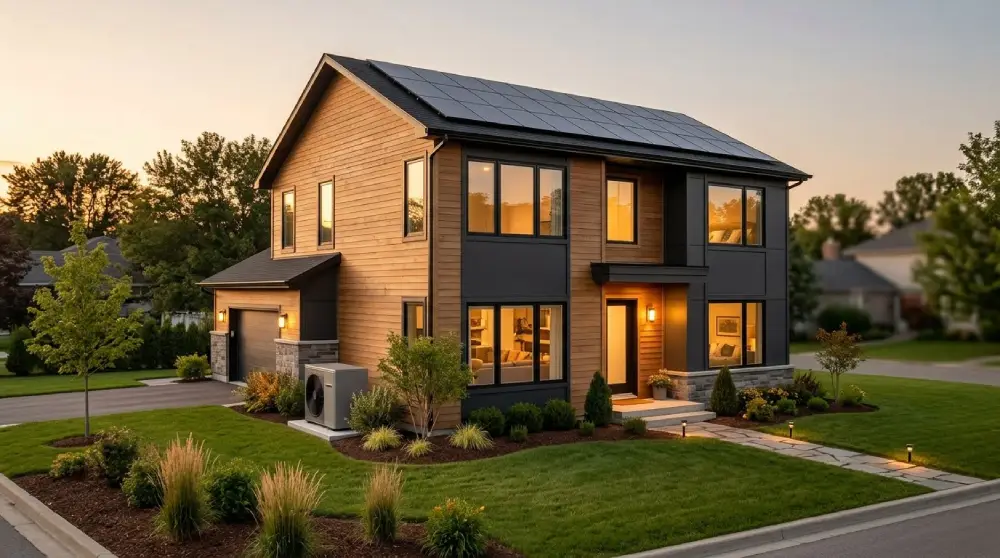
To truly maximize the value of your property, you need a strategic approach that transcends fleeting fads and focuses on enduring quality. As a real estate broker, I’ve observed firsthand what truly resonates with buyers and what improvements yield the most significant returns. This isn’t about chasing every new design trend, but rather cultivating a property that speaks to practicality, efficiency, and lasting appeal.
The contemporary buyer, particularly one looking towards 2026 and beyond, is increasingly sophisticated and discerning. They are less swayed by superficial aesthetics and more focused on the long-term viability and functionality of a home. Your objective should be to present a property that minimizes their future expenditures and provides a comfortable, efficient living environment. This involves a fundamental shift from merely decorative improvements to those that enhance the core structure and operational aspects of your home.
Durability and Craftsmanship Matter
Savvy buyers recognize that cheap materials and shoddy workmanship are hidden costs waiting to emerge. When you invest in repairs or renovations, prioritize quality. This doesn’t necessarily mean the most expensive option, but rather materials and labor that will withstand the test of time. For instance, if you’re replacing flooring, opt for durable, well-installed options rather than the cheapest vinyl that will show wear quickly. The perception of a well-built home, one that has been thoughtfully maintained, adds a premium to its value. It signals to a potential buyer that this is a property they can rely on, reducing their perceived risk and increasing their confidence in a long-term investment.
Energy Efficiency as a Cornerstone
Beyond structural integrity, energy efficiency is no longer a niche concern but a mainstream expectation. Buyers are acutely aware of rising utility costs and the environmental impact of their homes. A property that demonstrates a tangible commitment to energy efficiency is inherently more attractive. This isn’t just about feel-good optics; it translates directly to lower monthly expenses for the homeowner, a significant selling point in any economic climate. Your efforts in this area will be recognized and valued.
Practicality Over Ornamentation
While visual appeal is important, it should be secondary to practicality. Consider how spaces flow, how storage is integrated, and how daily tasks can be performed efficiently. A home that is beautiful but impractical will quickly lose its luster for a busy family or an individual seeking ease of living. Think about built-in solutions, smart storage ideas, and effective layouts. These practical considerations contribute to a sense of order and functionality that resonates deeply with today’s buyers.
Cultivating Irresistible Curb Appeal
The initial impression your property makes is powerful and often irreversible. Before a buyer even steps foot inside, their perception is being shaped by what they see from the street. This isn’t about cosmetic trickery; it’s about presenting a well-maintained and inviting exterior that suggests a cared-for interior. The return on investment (ROI) for enhancing curb appeal is consistently high, often ranging from 50% to 95%. This demonstrates that a relatively modest investment in exterior improvements can yield significant financial benefits.
The Power of a Polished Exterior
Start with the basics: a clean, well-maintained exterior. This means sparkling windows, a freshly painted or power-washed facade, and clear gutters. Address any visible repairs, such as loose siding, cracked pathways, or deteriorating trim. These seemingly minor details contribute to an overall impression of meticulous ownership. Buyers often subconsciously associate a diligent exterior with a diligent owner who has likely cared for the interior with equal attention.
Landscaping as an Investment
Your landscaping isn’t just decoration; it’s an extension of your home’s aesthetic and value. A well-designed and maintained landscape can significantly enhance your property’s appeal. This doesn’t necessitate an elaborate, high-maintenance garden. Simple, clean lines, attractive plantings appropriate for your climate, and healthy lawn care are often more effective. Consider strategic plantings that offer year-round interest and provide privacy without overwhelming the property. Trim overgrown shrubs, clear away dead foliage, and ensure pathways are clear and inviting.
Designing a Welcoming Entryway
The entry to your home, including mudrooms if applicable, serves as a transitional space and a critical first impression. Ensure your front door is in excellent condition, perhaps freshly painted in a complementary color or even replaced if it’s outdated. A new, stylish doorknob and lockset can also make a subtle but impactful difference. Inside the entryway or mudroom, focus on functionality and cleanliness. Clear clutter, provide practical storage solutions like hooks or a bench, and ensure adequate lighting. A well-organized and inviting entry sets a positive tone for the rest of the viewing experience.
Strategic Interior Updates: Kitchens and Bathrooms
Kitchens and bathrooms are consistently identified as the most impactful rooms for resale value. Buyers often weigh these spaces heavily in their decision-making process, as they represent significant financial outlays if they require extensive renovations after purchase. Your goal is to present these areas as move-in ready, offering modern amenities and a clean, spa-like feel without necessarily incurring huge renovation costs.
Kitchens: The Heart of the Home
While a full gut renovation can be expensive, many kitchens can be significantly upgraded with more moderate investments. Focus on areas that provide the most visual impact and functionality.
Modernizing Cabinetry and Hardware
If your cabinets are structurally sound but aesthetically dated, consider painting them in a light, neutral color. This can dramatically brighten the space and create a more contemporary feel. Replacing outdated hardware – pulls and knobs – is a relatively inexpensive upgrade that can significantly modernize the look. If cabinet replacement is necessary, opt for classic, functional styles that won’t quickly go out of fashion.
Countertops and Backsplashes
Updating countertops can instantly transform a kitchen. Engineered quartz or granite remain popular choices for their durability and aesthetic appeal. For backsplashes, stick to timeless materials like subway tile or a simple, neutral design that won’t alienate potential buyers with overly specific tastes.
Appliances: The Functional Core
While you don’t necessarily need to install the absolute latest smart appliances, ensuring your existing appliances are in good working order and aesthetically cohesive is important. If they are old, mismatched, or broken, consider upgrading to a matching set of mid-range, energy-efficient models. This signals a move-in-ready kitchen that won’t require immediate buyer investment.
Bathrooms: Creating a Spa-Like Retreat
Like kitchens, bathrooms don’t always require a complete overhaul to impress. Focus on creating a clean, bright, and functional space that evokes a sense of calm and luxury.
Fixtures and Finishes
Replacing outdated faucets, showerheads, and light fixtures can have a significant impact. Opt for modern, clean-lined designs in consistent finishes. Consider updating vanity tops to quartz or a similar durable material. Regrouting tiles or even replacing just the shower surround can refresh an entire bathroom.
Lighting and Ventilation
Good lighting is essential in bathrooms. Ensure adequate task lighting around the vanity and sufficient ambient lighting. Upgrading an old or noisy exhaust fan to a quiet, efficient model is a practical improvement that buyers appreciate, as it helps prevent moisture issues.
Minor Aesthetic Enhancements
Fresh paint in a neutral color, new towels, and simple, elegant accessories can elevate the bathroom’s appeal. Ensure all grout is clean and intact, and address any signs of mold or mildew immediately. A sparkling clean, well-lit bathroom is a major selling point.
Enhancing Energy Efficiency for Long-Term Value
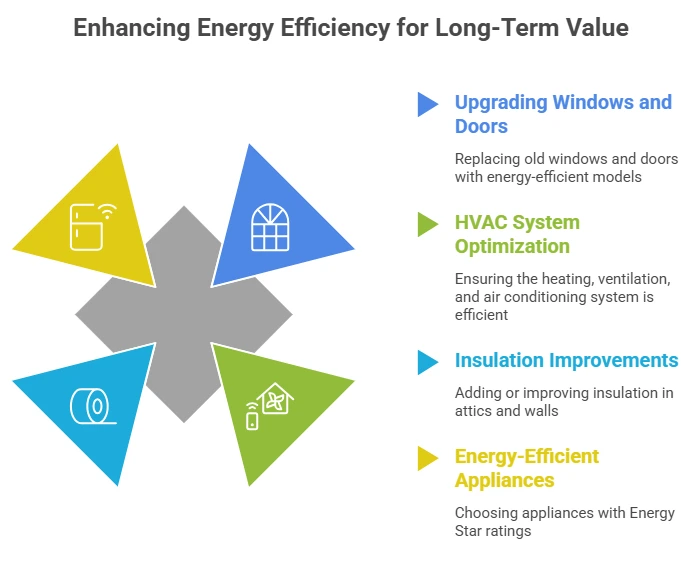
As mentioned previously, energy efficiency is a key driver for today’s buyers. They are not only concerned with the environmental impact but also with their ongoing financial commitments. Proactive improvements in this area can significantly reduce a buyer’s perceived risk and make your property a more attractive long-term investment. These improvements can cut utility costs by 25% or more, a tangible benefit that resonates with buyers.
Upgrading Windows and Doors
Old, drafty windows and doors are significant sources of heat loss in winter and heat gain in summer. Replacing them with modern, energy-efficient models (e.g., double or triple-pane, low-e glass) can dramatically improve insulation and reduce utility bills. This is a substantial investment, but the return in comfort and cost savings is significant and often justifiable during resale.
HVAC System Optimization
Your heating, ventilation, and air conditioning (HVAC) system is central to your home’s energy consumption. Ensure your existing system is well-maintained and operating efficiently. Consider having it inspected and serviced before listing. If your system is old and inefficient, investing in a new, high-efficiency unit can be a major selling point. Smart thermostats are also a relatively inexpensive upgrade that offers modern convenience and demonstrable energy savings.
Insulation Improvements
Proper insulation is critical for maintaining consistent indoor temperatures and reducing energy waste. Check attic insulation levels and consider adding more if they are below current recommendations. Wall insulation can be more challenging to upgrade, but air sealing around windows, doors, and utility penetrations can also make a noticeable difference in preventing drafts and heat loss.
Energy-Efficient Appliances
When replacing appliances, prioritize Energy Star-rated models. While it might be a small individual saving, collectively, these appliances contribute to a lower overall energy footprint for the home, which appeals to efficiency-conscious buyers. High-efficiency water heaters, in particular, can offer significant savings.
Maximizing Space with Functional Additions
| Metrics | Data |
|---|---|
| Number of properties sold | 50 |
| Number of clients served | 100 |
| Average sale price | 300,000 |
| Number of new listings | 20 |
Buyers are continually looking for properties that offer practical, well-utilized spaces. Converting underutilized areas into functional rooms can significantly increase your effective square footage and appeal, offering a strong ROI, often between 70% and 95%. This isn’t about building outwards unnecessarily, but optimizing what you already have.
Basement and Attic Conversions
Basements and attics often represent vast untapped potential. Converting these spaces into usable living areas, such as additional bedrooms, home offices, or family rooms, can dramatically increase your home’s value. Ensure these conversions are done legally, with proper permits, egress windows (for bedrooms), and adequate insulation and ventilation. A well-finished basement or attic can essentially add an entire floor of usable space.
Creating Dedicated Office Space
The rise of remote work has made dedicated home office space a highly desirable feature. If you don’t have a spare room, consider converting a large closet, a corner of a living room, or a functional niche into a clearly defined office nook. Even a well-organized, neatly presented desk area can highlight the potential for a work-from-home setup.
Outdoor Living Areas: Patios and Decks
Outdoor living spaces have become increasingly important. A well-designed patio or deck can extend your living area and enhance the property’s recreational appeal. Focus on durability and functionality. Use quality materials, ensure proper drainage, and create a space that feels inviting and integrated with the rest of the home. Consider simple enhancements like built-in seating or a fire pit to elevate the experience.
Thoughtful Storage Solutions
While not a full “room” addition, clever storage solutions can make a home feel more spacious and organized. Built-in shelving, organized pantry systems, and well-designed closets can significantly enhance a home’s appeal by addressing a common buyer pain point: a lack of adequate storage.
Strategic Aesthetic Upgrades and Market Positioning
While major renovations are impactful, several “quick win” aesthetic improvements can significantly boost your property’s appeal without overhauling its core structure. Furthermore, understanding market dynamics and pricing strategies is crucial for maximizing your net proceeds.
The Power of Neutral Cosmetics
When it comes to paint colors, flooring, and other major aesthetic elements, simplicity and neutrality are your allies.
Light Neutral Paint Colors
Painting interiors in light, neutral tones like cream, sage green, or soft grays instantly brightens spaces, makes them feel larger, and provides a blank canvas for potential buyers. Avoid bold, personal color choices that may alienate a broad audience. This is one of the most cost-effective improvements with a high visual impact.
Flooring: Clean and Cohesive
Replace old, worn, or highly personalized flooring. Neutral, durable options like hardwood, luxury vinyl plank (LVP), or new, neutral-toned carpet are generally preferred. Ensure consistency in flooring transitions where possible, creating a seamless flow that visually expands the space. New flooring often commands higher rents or sale prices by eliminating a significant “to-do” item for the buyer.
Decluttering and Depersonalizing
This isn’t an upgrade in the traditional sense, but its impact is profound. Remove personal photos, excessive knick-knacks, and clutter. A clean, depersonalized home allows buyers to envision themselves living in the space, rather than feeling like they are intruding in someone else’s home. Storage solutions mentioned earlier can greatly assist in this process.
Highlighting Natural Features and Adapting Seasonally
Embrace your property’s unique natural attributes. If you have stunning views, ensure they are framed and unobstructed by overgrown landscaping or heavy window treatments.
Framing Views
Strategically prune trees or shrubs that block desirable views. Ensure windows are sparkling clean. Simple, unobtrusive window treatments allow natural light to flood in and showcase any appealing outdoor scenery, whether it’s a garden, a distant landscape, or even just a pleasant streetscape.
Strategic Pricing and Timing
Market timing can significantly impact your sale price. While your property should always be presented in its best light, understanding peak selling seasons in your local market is crucial. For instance, in many areas, spring and early summer are prime selling times. During these peak seasons, you might strategically price your home slightly below comparable properties (e.g., 5-15% below) to generate significant interest and spark competitive bidding wars, ultimately driving the price above your initial expectation. This counter-intuitive strategy can be highly effective in a deliberate buyer’s market.
Avoiding “Value-Decreasing” Upgrades
Not all improvements are created equal, and some can actively deter buyers or result in a negative ROI.
Steer Clear of Trendy Colors and Over-Customization
While a particular color or design trend might be popular now, it can quickly date your home and narrow your buyer pool. Avoid highly specific or custom installations that might appeal only to your personal taste. Buyers often prefer a neutral base that they can personalize themselves, rather than paying for someone else’s unique vision that they may need to replace.
Over-Renovating for Your Neighborhood
Be mindful of the “ceiling” in your neighborhood. Investing in ultra-luxury finishes that are significantly above the standard for your area may not yield a proportional return. Buyers in a particular price range typically have expectations tailored to that price point; exceeding them significantly might mean you’ve overspent without recouping the difference. Stick to broad-appeal improvements that align with your property’s context and market.
applying these principles, you move beyond mere decoration and focus on creating a property that offers substantial, enduring value. This strategic approach, centered on quality, practicality, and widespread appeal, is how you truly maximize your property’s value in today’s discerning real estate market.
FAQs
What is a real estate broker?
A real estate broker is a licensed professional who represents buyers or sellers in real estate transactions. They have completed additional education and licensing requirements beyond those of a real estate agent.
What services does a real estate broker provide?
Real estate brokers provide a range of services including helping clients buy, sell, or rent properties, conducting market research, negotiating deals, and providing guidance throughout the entire real estate transaction process.
How is a real estate broker different from a real estate agent?
Real estate brokers have completed additional education and licensing requirements compared to real estate agents. Brokers can work independently or hire agents to work for them, while agents must work under the supervision of a broker.
How does a real estate broker earn money?
Real estate brokers typically earn money through commissions on real estate transactions. They receive a percentage of the sale price of a property when representing a seller, and a portion of the commission when representing a buyer.
How can I become a real estate broker?
To become a real estate broker, individuals must typically complete additional education and experience requirements beyond those of a real estate agent, and pass a broker licensing exam. The specific requirements vary by state.