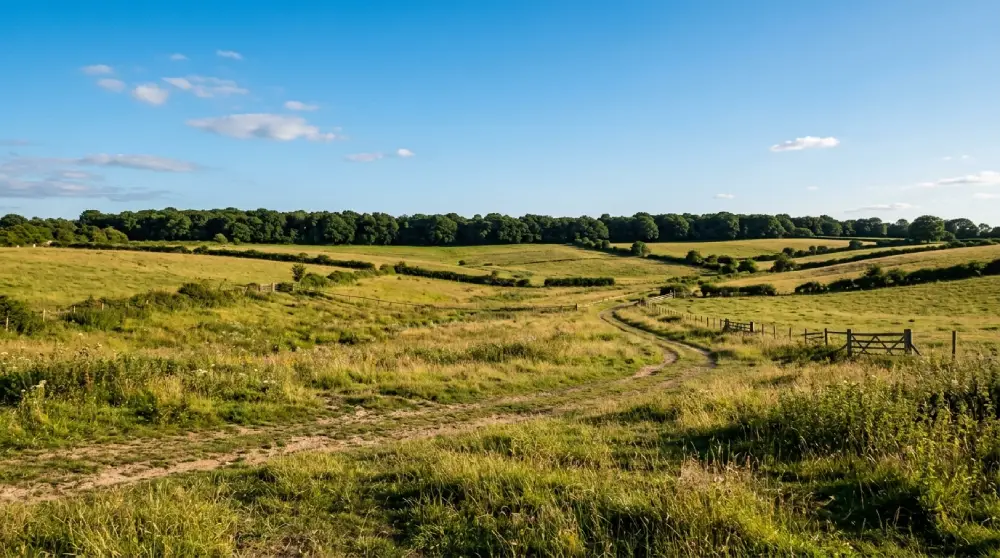
Buying raw land is one of the most rewarding ways to grow long term wealth, and this Land Investment Guide will walk you through everything you need to know before making a purchase. Unlike homes or commercial buildings, land requires a different way of thinking, and understanding that difference is the first step toward making a smart decision.
Whether you are looking for a plot to build on someday, a piece of farmland, or simply a long term asset to hold, this guide breaks down the process in a simple and practical way.
Why Land Is a Smart Investment Choice
Land is a limited resource. No matter how much demand grows, the supply of usable land stays the same. This scarcity is what makes land such an attractive long term asset for patient investors.
Land also requires very little upkeep compared to other property types. There are no tenants to manage, no buildings to maintain, and no appliances to repair.
Long Term Appreciation Potential
Over time, well located land tends to increase in value as cities expand and infrastructure develops nearby. Investors who purchase early in a growth corridor often benefit the most.
A Hedge Against Market Volatility
Land ownership can act as a stabilizing asset in a portfolio because it does not depreciate the way buildings or equipment do. It simply sits and waits to be used.
Types of Land You Can Invest In
Understanding the different categories of land helps you choose the right fit for your goals.
Residential Land
This type of land is zoned for building homes or housing developments. It tends to attract buyers who eventually want to build or sell to builders.
Agricultural Land
Farmland can generate income through leasing to farmers while also appreciating in value. It suits investors who want a productive asset rather than an idle one.
Commercial Land
Located near business districts or busy roads, commercial land is often purchased with future development in mind, such as retail spaces or offices.
Recreational Land
This includes forests, lakefront plots, or mountain areas often used for hunting, camping, or personal getaways rather than development.
Key Factors to Research Before Buying

A successful land purchase depends heavily on research done before signing any paperwork.
Location and Accessibility
Check how close the land is to roads, utilities, and nearby towns. Land that is easy to access tends to attract more future buyers or developers.
Zoning Regulations
Zoning laws determine what you are legally allowed to build or do on the land. Always confirm zoning with the local planning office before moving forward.
Soil and Environmental Conditions
For agricultural or building purposes, soil quality and drainage matter a great deal. Environmental restrictions such as wetlands or protected habitats can also limit usage.
Utility Access
Find out whether water, electricity, and sewage systems are already available nearby. Land without utility access may require additional planning for future development.
Steps to Take Before Finalizing a Purchase
Doing your homework early can prevent costly mistakes later on.
Conduct a Land Survey
A professional survey confirms exact boundaries and prevents future disputes with neighboring landowners.
Review Title and Ownership History
Make sure the title is clear of liens or ownership disputes. A title company or real estate attorney can help verify this.
Visit the Property in Person
Photos and listings can be misleading. Walking the land yourself gives you a real sense of terrain, access, and surroundings.
Understand Future Development Plans
Check with local government offices about planned roads, developments, or zoning changes that could impact the land’s future value.
Common Mistakes to Avoid
Many new investors run into avoidable problems simply because they skip important steps.
- Skipping due diligence on zoning and land use restrictions
- Ignoring the importance of a proper land survey
- Failing to check flood zones or environmental risks
- Overlooking future infrastructure plans in the area
- Not consulting local experts or land attorneys
Tips for First Time Land Investors
Patience is one of the most valuable qualities a land investor can have, since land often appreciates slowly and steadily rather than overnight.
Working with a local real estate agent who specializes in land can also make the process smoother, as they often have insight into upcoming developments and zoning changes.
Finally, always have a clear purpose for the land, whether it is for future building, farming, or simply holding as a long term asset.
Conclusion
Land investment can be one of the most rewarding paths to building long term wealth when approached with proper research and patience. This Land Investment Guide has covered the essential factors, from zoning and location to due diligence steps, to help you make informed decisions.
understanding the type of land that fits your goals and taking the right precautions before purchasing, you set yourself up for a smoother and more successful investment journey.
Frequently Asked Questions
What is the best type of land to invest in for beginners?
Residential land in growing areas is often the easiest for beginners to understand, since it has clear zoning rules and steady long term demand.
How do I know if land is a good investment?
Look at location, zoning, accessibility, and nearby development plans. Land near expanding infrastructure or growing towns usually holds strong long term potential.
Do I need a survey before buying land?
Yes, a professional survey confirms the exact boundaries of the property and helps avoid future disputes with neighboring landowners.
Can I make money from land without building on it?
Yes, land can appreciate in value over time, and certain types like agricultural land can also generate income through leasing.
What should I check before buying land in a new area?
Always verify zoning regulations, utility access, environmental restrictions, and future development plans with local government offices before finalizing a purchase.