Learning how to buy a house with bad credit can feel overwhelming, especially when it seems like every lender only wants borrowers with perfect scores. The truth is that homeownership is still possible even if your credit history has a few rough patches. With the right strategy, patience, and knowledge of your options, you can move from renting to owning even with a less than ideal credit profile.
- Understand What "Bad Credit" Really Means
- Explore Loan Programs Built for Lower Credit Scores
- Take Steps to Improve Your Credit Before Applying
- Save for a Larger Down Payment
- Consider a Co Signer or Co Borrower
- Work With a Mortgage Broker Who Understands Bad Credit Situations
- Get Pre Approved Before You Start House Hunting
- Be Transparent With Your Lender
- Consider Renting to Own as a Stepping Stone
- Stay Patient and Keep Your Long Term Goal in Mind
- Conclusion
- Frequently Asked Questions
Understand What “Bad Credit” Really Means
Before you start house hunting, it helps to understand how lenders view your credit. Bad credit usually refers to a low credit score caused by missed payments, high credit card balances, collections, or limited credit history. Every lender has different thresholds, so what one considers risky, another may still approve.
Check Your Credit Report First
Start by pulling your credit report from all three major bureaus. Look for errors, outdated information, or accounts that should have already been removed. Disputing inaccurate items can sometimes boost your score fairly quickly, giving you a stronger position before you apply for a mortgage.
Know Your Credit Score Range
Understanding where your score falls helps you know which loan programs you may qualify for. Some government backed loans are designed specifically for buyers with lower scores, so knowing your exact range saves time when comparing lenders.
Explore Loan Programs Built for Lower Credit Scores
Not all mortgages require excellent credit. Several loan types exist specifically to help buyers with credit challenges become homeowners.
FHA Loans
FHA loans are backed by the Federal Housing Administration and are known for being more forgiving toward lower credit scores. They often require a smaller down payment compared to conventional loans, making them a popular choice for first time buyers with credit issues.
VA Loans
If you are a veteran, active duty service member, or eligible spouse, a VA loan may be a great fit. These loans typically have flexible credit requirements and do not require private mortgage insurance, which can make homeownership more accessible.
USDA Loans
For buyers interested in rural or suburban areas, USDA loans offer another path to homeownership with more lenient credit standards. These loans are backed by the United States Department of Agriculture and are designed to support buyers who may not qualify for conventional financing.
Take Steps to Improve Your Credit Before Applying
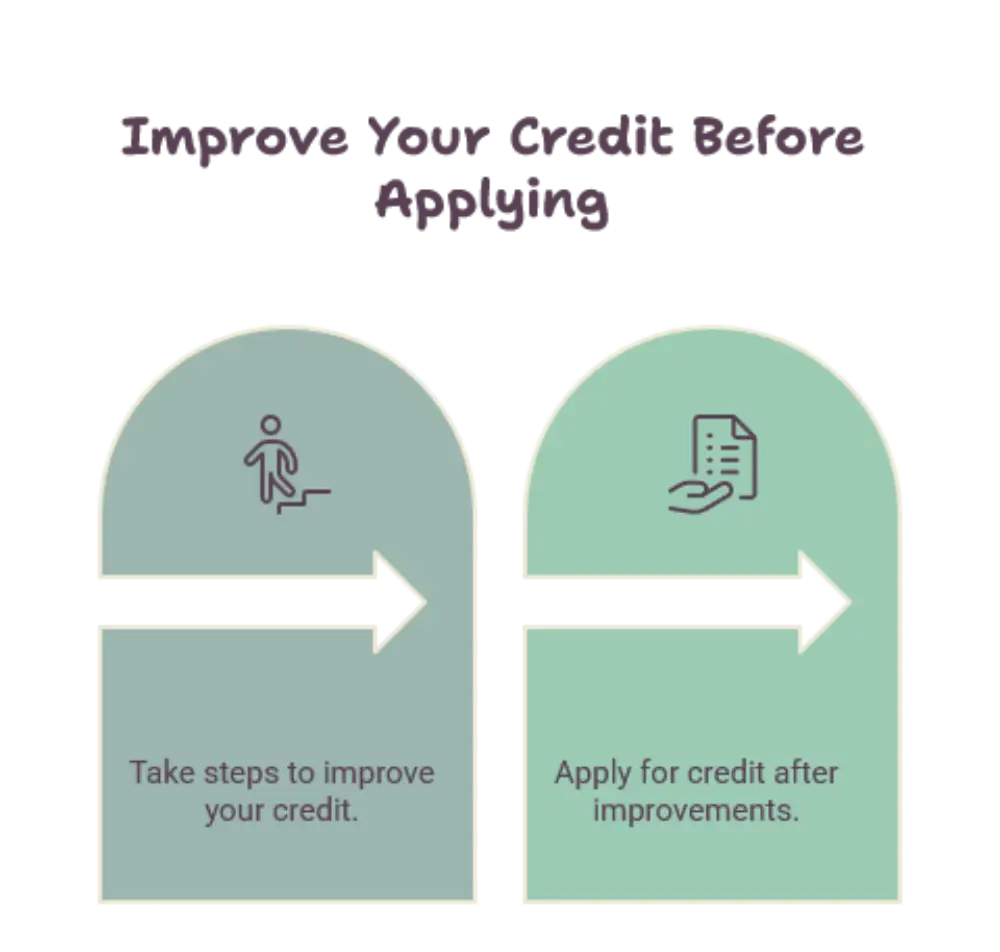
While some loan programs accept lower scores, improving your credit before applying can open more doors and better terms.
Pay Down Existing Debt
Reducing your credit card balances and other revolving debt can have a noticeable impact on your score. Lenders pay close attention to how much of your available credit you are using, so lowering that usage signals financial responsibility.
Make Every Payment on Time
Payment history is one of the biggest factors in your credit score. Setting up automatic payments or reminders ensures you never miss a due date, which steadily rebuilds trust with lenders over time.
Avoid Opening New Credit Accounts
Opening several new accounts right before applying for a mortgage can lower your average account age and trigger hard inquiries, both of which may hurt your score. It is best to keep your credit activity stable in the months leading up to your application.
Save for a Larger Down Payment
Putting more money down shows lenders you are financially committed and reduces their risk. A larger down payment can sometimes offset a lower credit score, making approval more likely and potentially improving your loan terms.
Consider a Co Signer or Co Borrower
If your credit alone does not meet a lender’s requirements, adding a co signer with stronger credit can help. This person agrees to take on responsibility for the loan alongside you, which may increase your chances of approval. It is important that both parties fully understand the financial commitment involved.
Work With a Mortgage Broker Who Understands Bad Credit Situations
Mortgage brokers have access to multiple lenders and loan programs, which means they can match you with options suited to your unique credit situation. A knowledgeable broker can also guide you through paperwork, timelines, and lender expectations, making the process smoother.
Get Pre Approved Before You Start House Hunting
Getting pre approved gives you a clear picture of what you can realistically borrow. It also shows sellers that you are a serious buyer, which can be especially helpful in competitive markets. Pre approval typically involves a review of your income, debts, and credit profile.
Gather Your Financial Documents Early
Having your pay stubs, tax returns, and bank statements ready in advance speeds up the pre approval process. Being organized also reduces stress and helps you respond quickly when lenders request additional information.
Be Transparent With Your Lender
Honesty about your credit history helps your lender find the best possible loan program for your situation. Trying to hide past financial issues can slow down the process or lead to complications later. A transparent conversation upfront often leads to smoother approval down the line.
Consider Renting to Own as a Stepping Stone
If your credit needs more time to improve, a rent to own agreement can be a practical stepping stone. This arrangement allows you to live in the home while working on your credit, with a portion of your rent sometimes applied toward a future purchase.
Stay Patient and Keep Your Long Term Goal in Mind
Buying a home with bad credit takes extra effort, but it is far from impossible. Every positive financial habit you build, from paying bills on time to reducing debt, moves you closer to your goal. Staying consistent and informed throughout the process will pay off when you finally hold the keys to your new home.
Conclusion
Bad credit does not have to stand between you and homeownership. understanding your credit report, exploring flexible loan programs, improving your financial habits, and working with the right professionals, you can create a clear path toward buying your own home. With patience and the right strategy, your dream of homeownership is closer than you might think.
Frequently Asked Questions
Can I buy a house with bad credit?
Yes, buying a house with bad credit is possible through loan programs like FHA, VA, and USDA loans, which have more flexible credit requirements than conventional mortgages.
What credit score do I need to buy a house?
Credit score requirements vary by lender and loan type, but government backed loans often accept lower scores than conventional financing options.
How can I improve my credit before buying a house?
You can improve your credit by paying down debt, making all payments on time, correcting errors on your credit report, and avoiding new credit accounts before applying.
Does a co signer help when buying a house with bad credit?
Yes, adding a co signer with stronger credit can improve your chances of mortgage approval and may lead to better loan terms.
Is rent to own a good option for buyers with bad credit?
Rent to own can be a helpful stepping stone for buyers who need time to improve their credit while still working toward eventual homeownership.