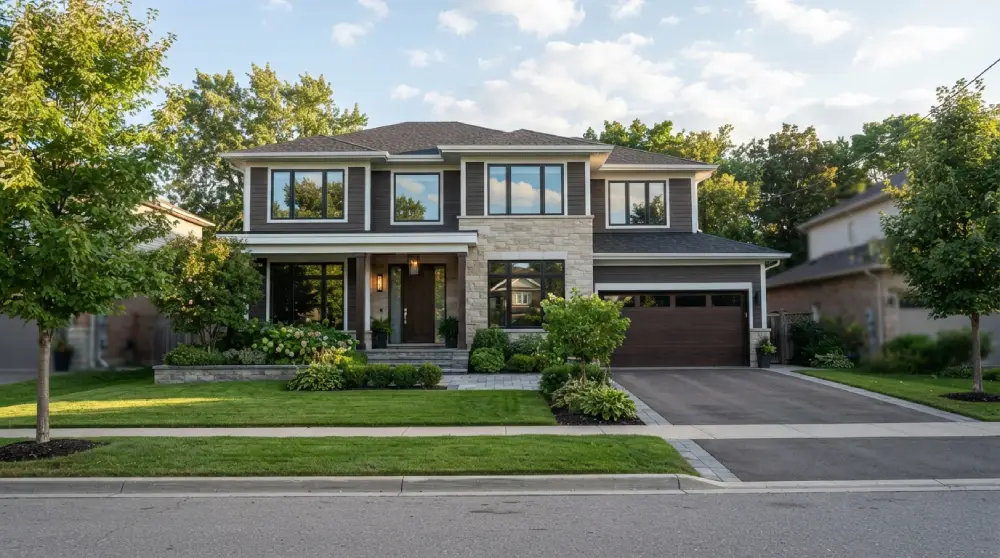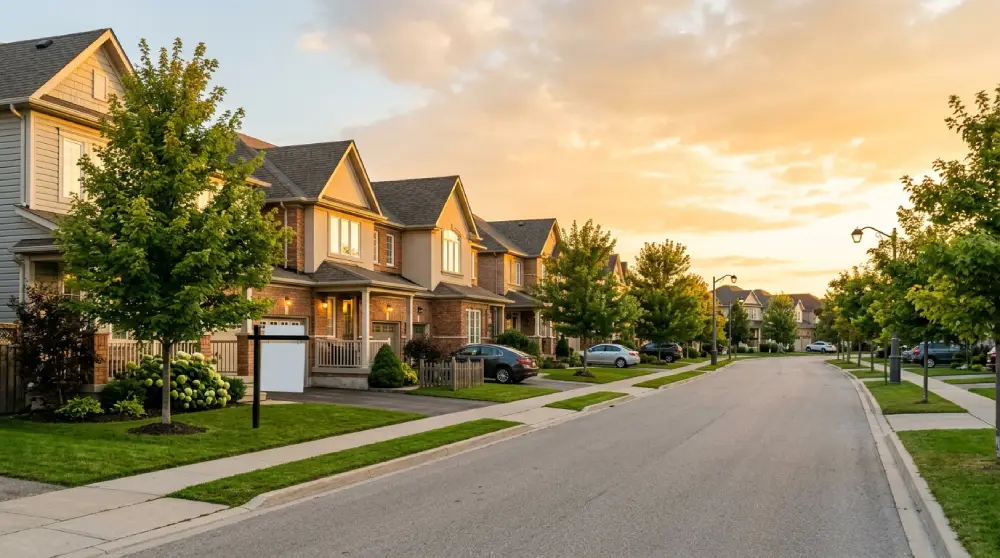
Figuring out the best time of year to sell a house can make a real difference in how quickly your property moves and how much interest it attracts. Timing your listing around buyer demand, weather, and lifestyle patterns often leads to smoother showings and a faster path to closing. While every local market has its own rhythm, understanding the general seasonal trends can help you plan your sale with more confidence.
Why Timing Matters When Selling a House
The real estate market shifts throughout the year based on weather, school schedules, and buyer motivation. Sellers who understand these patterns can align their listing date with periods of higher buyer activity. This does not guarantee a sale, but it does improve the odds of attracting serious, motivated buyers within a shorter window.
Buyer Behavior Changes With the Seasons
Buyers are not equally active all year. Families with children often want to move during school breaks. Retirees and investors may shop year round. Recognizing who your likely buyer is helps you decide when to list.
Spring: The Traditional Peak Season
Spring is widely considered the most popular season for selling a home. Longer daylight hours, blooming landscapes, and improving weather make homes look their best.
Curb Appeal Advantages in Spring
Gardens are green, flowers are blooming, and natural light highlights a home’s exterior. This seasonal boost in curb appeal can make a strong first impression on potential buyers walking up to the property.
Families Prefer Spring Moves
Many families aim to settle into a new home before the next school year begins. Listing in spring gives buyers enough time to complete the purchase and move before the fall term starts.
Early Summer: A Strong Second Choice
Early summer often continues the momentum built in spring. Warm weather and longer days make it convenient for buyers to attend open houses and evening showings.
School Schedules Still Influence Buyers
Families who missed the spring window often push their search into early summer to still make a move before the new academic year.
Outdoor Spaces Shine
Homes with patios, decks, or gardens tend to show particularly well in early summer, giving sellers a chance to highlight outdoor living spaces.
Fall: A Quieter but Motivated Market
Fall can bring a smaller pool of buyers, but those who are searching tend to be serious about closing before the winter holidays arrive.
Cooler Weather, Comfortable Showings
Milder temperatures in early fall make house hunting comfortable without the summer heat, encouraging more relaxed walkthroughs.
Buyers Are Often Relocating for Work
Fall is a common season for job relocations, meaning some buyers are working against a deadline and ready to move quickly.
Winter: The Slowest Season
Winter typically sees the fewest home sales due to holidays, cold weather, and reduced daylight. However, this season is not without its advantages.
Less Competition Among Sellers
Fewer homes are listed in winter, which can help a well presented property stand out more easily to the buyers who are actively searching.
Serious Buyers Only
People shopping for homes during winter are usually motivated by necessity, such as a job change or lease ending, rather than casual browsing.
Regional Climate Can Shift the Ideal Timing
Not every location follows the same seasonal pattern. Warmer regions may see steady buyer interest throughout the year, while colder climates often experience a sharper seasonal slowdown.
Local Market Research Matters
Checking how homes have historically performed in your specific area during different months can offer more accurate guidance than general national trends alone.
Preparing Your Home Regardless of Season

No matter when you decide to list, presentation plays a major role in attracting buyers.
Highlight Natural Light
Open curtains and clean windows to let in as much natural light as possible, since bright interiors tend to feel more welcoming.
Keep the Exterior Tidy
A clean, well maintained yard and entryway create a positive first impression during any season.
Stage for the Current Season
Simple seasonal touches, like fresh flowers in spring or warm lighting in winter, can help buyers picture themselves living comfortably in the home.
Working With Local Experts
A local real estate professional can offer insight into buyer patterns specific to your neighborhood. Their experience with recent listings can help you decide whether to list now or wait for a stronger seasonal window.
Conclusion
There is no single perfect month to sell every house. Spring and early summer tend to attract the largest number of buyers, while fall and winter can appeal to serious, motivated shoppers with fewer distractions. The right timing depends on your local climate, your home’s features, and your personal moving timeline. understanding these seasonal patterns and preparing your home thoughtfully, you can approach the selling process with greater clarity and confidence.
FAQs
What is generally considered the best time of year to sell a house?
Spring is often considered the best time to sell a house because buyer activity tends to increase with warmer weather and blooming landscapes.
Is it a bad idea to sell a house in winter?
Selling in winter is not a bad idea. There is usually less competition from other sellers, and buyers shopping during this season tend to be serious and ready to move.
Do families really wait for spring to buy homes?
Many families do prefer spring and early summer so they can settle into a new home before the next school year begins.
Does the local climate affect the best selling season?
Yes, warmer regions may see consistent buyer interest year round, while colder regions often experience a noticeable seasonal slowdown in the winter months.
How can I make my home more appealing no matter the season?
Focus on natural light, a tidy exterior, and simple seasonal staging touches to help buyers feel comfortable and welcome during their visit.