Buying your first home is one of the most significant financial decisions you will ever make, and having a solid First-Time Home Buyer Guide by your side can be the difference between a smooth experience and a stressful one. Whether you are just beginning to explore the idea or already browsing listings online, understanding the full journey from financial preparation to receiving the keys gives you the confidence and clarity you need to make smart, informed decisions every step of the way.
Why First-Time Home Buyers Need a Clear Roadmap
The home buying process is more complex than most people anticipate. It involves multiple stages, professionals, legal documents, and financial commitments that can feel overwhelming without proper preparation. Many first-time buyers make costly mistakes simply because they did not know what to expect. This First-Time Home Buyer Guide is designed to walk you through each phase of the process so you can move forward with confidence, avoid common pitfalls, and ultimately find a home that fits both your lifestyle and your budget.
Understanding Your Financial Picture Before You Buy
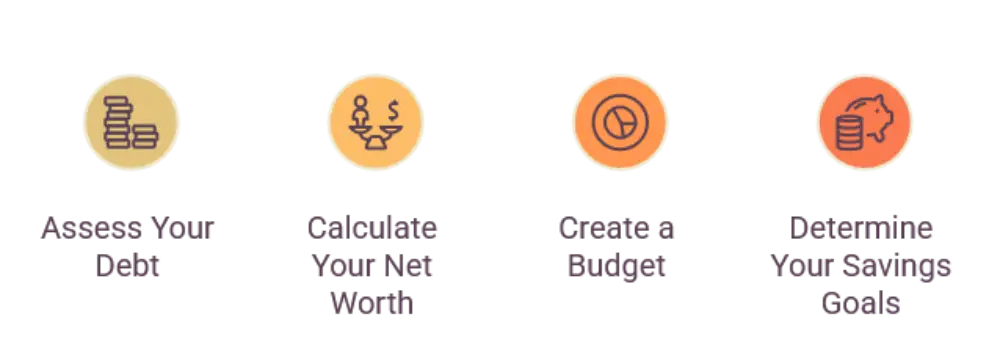
Before you start falling in love with properties online, the very first step in any First-Time Home Buyer Guide is to take a hard, honest look at your finances. This means reviewing your monthly income, existing debts, monthly expenses, and your overall savings. Lenders will examine all of these factors when you apply for a mortgage, so it is essential to understand where you stand before entering the process.
Your credit score plays a massive role in determining whether you qualify for a mortgage and what interest rate you will receive. Generally speaking, a higher credit score opens the door to better loan terms and lower monthly payments. If your credit score needs improvement, it is worth taking a few months to pay down existing debt, avoid opening new credit accounts, and ensure all bills are paid on time.
Saving for a down payment is another major milestone for first-time buyers. The amount you need depends on the type of loan you choose and the purchase price of the home. Beyond the down payment, you should also set aside funds for closing costs, moving expenses, home inspection fees, and any immediate repairs or furniture your new home may require. Having an emergency fund separate from your home buying savings is equally important because unexpected expenses arise once you own a property.
Getting Pre-Approved for a Mortgage
One of the most important steps in the First-Time Home Buyer Guide is obtaining mortgage pre-approval before you begin house hunting in earnest. Pre-approval is a formal process where a lender reviews your financial documents and determines how much they are willing to lend you. This gives you a clear budget to work with and also signals to sellers that you are a serious buyer.
The pre-approval process typically requires you to provide:
- Proof of income such as pay stubs or tax returns
- Bank statements showing your savings and checking account history
- Employment verification documents
- Your credit history and social security information
Understanding the different types of mortgages available is equally critical. Fixed-rate mortgages offer a consistent interest rate throughout the life of the loan, making budgeting easier. Adjustable-rate mortgages may start with a lower rate but can fluctuate over time. There are also government-backed loan options designed specifically for first-time buyers, including those with lower down payment requirements or more flexible credit standards. Speaking with a qualified mortgage professional will help you determine which loan type aligns best with your financial goals.
Defining What You Need in a Home
Once your finances are in order and you have a pre-approval letter in hand, the exciting part begins. As a first-time buyer, it is easy to get carried away by beautiful kitchens or stunning backyards. However, a practical First-Time Home Buyer Guide will encourage you to define your needs versus your wants before you tour a single property.
Start by listing non-negotiables such as the number of bedrooms and bathrooms you require, your preferred location or school district, proximity to your workplace, and access to public transportation or major highways. Then create a secondary list of features that would be nice to have but are not deal-breakers. This distinction keeps you focused and prevents emotional decision-making during the viewing process.
Location is arguably the single most important factor in any home purchase. A property in a desirable neighborhood not only supports your quality of life but also tends to hold and grow in value over time. Research the local community, future development plans, crime rates, and the overall direction in which the neighborhood is heading before committing.
Working With a Real Estate Agent
Navigating the home buying process without professional guidance is possible but rarely advisable for first-time buyers. A licensed real estate agent who specializes in working with buyers brings invaluable local market knowledge, negotiation skills, and access to listings that may not be widely available online.
Your agent will help you identify suitable properties, schedule viewings, interpret listing details, and ultimately craft a competitive offer when you find the right home. They will also guide you through contract terms, contingencies, and timelines that can be confusing without prior experience. Choosing an agent who communicates clearly, listens to your needs, and has a strong track record in your target area is a decision worth spending time on.
Making an Offer and Negotiating
When you find the home you want, your agent will help you submit a purchase offer. This document outlines the price you are willing to pay along with any conditions or contingencies attached to the sale. Common contingencies include a satisfactory home inspection, mortgage financing approval, and a satisfactory appraisal of the property’s value.
In a competitive market, offers can go above asking price, and sellers may receive multiple bids. Your agent will help you craft an offer that is both attractive to the seller and protective of your interests. Negotiation does not end at the price. You can also negotiate for the seller to cover certain closing costs, make specific repairs before closing, include appliances, or offer a more flexible timeline.
The Home Inspection and Appraisal
Once your offer is accepted, the home inspection is one of the most critical steps in this First-Time Home Buyer Guide. A licensed inspector will conduct a thorough examination of the property, assessing the structural integrity, roof condition, plumbing, electrical systems, HVAC, and any signs of water damage or pest infestation. The inspection report gives you a detailed picture of the home’s current condition.
If the inspection reveals significant issues, you have options. You can request that the seller make repairs before closing, ask for a price reduction to account for the cost of repairs you will handle, or in some cases, choose to walk away entirely if the problems are too severe. Do not skip the inspection to make your offer more attractive, as this can expose you to enormous financial risk after you take ownership.
The appraisal is arranged by your lender to confirm that the property’s market value aligns with the purchase price. If the home appraises below what you agreed to pay, your lender will only finance up to the appraised value, which means you would need to either renegotiate the price or cover the difference yourself.
Closing on Your First Home
The closing process is the final stage in any First-Time Home Buyer Guide and involves signing a large amount of legal paperwork, paying closing costs, and officially transferring ownership of the property into your name. Closing costs typically range from two to five percent of the home’s purchase price and can include loan origination fees, title insurance, property taxes, homeowner’s insurance, and attorney fees depending on your location.
Before the closing date, you will receive a Closing Disclosure document that outlines all final loan terms and costs. Review this carefully and compare it against your earlier Loan Estimate to ensure nothing has changed unexpectedly. You also have the right to do a final walkthrough of the property shortly before closing to confirm it is in the agreed-upon condition.
On closing day, you will sign documents, pay remaining closing costs and your down payment, and receive the keys to your new home. It is a significant moment that represents months of preparation and hard work coming together.
Life After Closing: Settling Into Homeownership
The journey does not end when you receive your keys. As a new homeowner, you take on responsibilities that renters never face. Budgeting for regular maintenance and occasional repairs is essential. Setting aside approximately one percent of your home’s value annually for maintenance costs is a commonly recommended financial practice.
Getting to know your home thoroughly in the early months, including understanding your utilities, locating shut-off valves, and keeping records of any work done on the property, will serve you well over the long term. Establishing a relationship with reliable local contractors for plumbing, electrical, and general repairs is another smart move early in homeownership.
Frequently Asked Questions
How much money do I need saved before buying my first home?
Beyond your down payment, which can range from three to twenty percent of the purchase price, you should have enough saved to cover closing costs, moving expenses, an emergency fund, and any immediate home repairs. A general rule is to have at least three to six months of living expenses in savings alongside your down payment funds.
What credit score do I need to qualify for a mortgage as a first-time buyer?
Credit score requirements vary depending on the type of mortgage you are applying for. Many conventional loans require a score of at least 620, while certain government-backed programs allow for lower scores. A higher score will generally earn you a better interest rate and more favorable loan terms.
Should I buy a home or continue renting?
This depends on your financial stability, how long you plan to stay in one location, and your personal goals. Buying makes more financial sense when you plan to stay in a home for at least five to seven years, as this gives time for equity to build and helps offset the costs of purchasing. If your lifestyle requires frequent moves, renting may offer more flexibility.
What is the difference between pre-qualification and pre-approval?
Pre-qualification is an informal estimate of how much you may be able to borrow based on information you self-report. Pre-approval is a more rigorous process where the lender verifies your financial documents and provides a conditional commitment to lend a specific amount. Pre-approval carries significantly more weight when making an offer on a home.
Can I buy a home with student loan debt?
Yes, having student loan debt does not automatically disqualify you from buying a home. Lenders look at your debt-to-income ratio, which compares your total monthly debt payments to your gross monthly income. Managing your student loans responsibly and keeping your overall debt load manageable relative to your income improves your chances of mortgage approval.