
Selling your home is a significant undertaking, often one of the largest financial transactions you’ll ever make. It’s a process that demands meticulous attention to detail, not only to achieve the best possible price but also to navigate the complex web of legal requirements. As you embark on this journey, understanding these legal obligations and the essential steps involved will empower you to make informed decisions, avoid costly mistakes, and ensure a smooth and successful sale. This guide will walk you through the critical legal aspects and fundamental phases of selling your house, equipping you with the knowledge you need to move forward with confidence.
The sale of real estate is heavily regulated to protect both buyers and sellers. As a seller, you have a fundamental legal responsibility to disclose material defects about your property, act in good faith, and ensure that all transactions are conducted transparently and ethically. Failing to meet these obligations can lead to legal disputes, financial penalties, and even the cancellation of the sale. Familiarizing yourself with these requirements upfront is crucial for a stress-free selling experience.
Disclosure of Material Defects
This is perhaps the most critical legal obligation a seller has. A “material defect” is defined as a problem that could significantly affect the value or desirability of the property, or pose a health or safety risk to occupants. This can include issues with the foundation, roof, plumbing, electrical systems, or even the presence of hazardous substances like asbestos or lead paint.
What Constitutes a Material Defect?
You are generally obligated to disclose anything that you know, or should reasonably know, about the property that could impact a buyer’s decision. This isn’t about revealing minor cosmetic flaws, but rather significant issues. Think about problems that would make you reconsider purchasing the house if you were the buyer.
How to Make Disclosures
Most jurisdictions require sellers to provide a written disclosure statement. This document serves as a formal record of what you’ve disclosed. Be honest and thorough. If you’re unsure whether something qualifies as a material defect, it’s always better to err on the side of caution and disclose it.
The Importance of Honesty and Transparency
Honesty in your disclosures is paramount. Misrepresenting the condition of your property can lead to lawsuits for damages or rescission of the sale. Buyers have the right to rely on your disclosures when making their purchasing decision.
Title and Ownership Requirements
Before you can sell your house, you need to have clear and marketable title. This means that you legally own the property and there are no outstanding claims, liens, or encumbrances that would prevent a buyer from obtaining full ownership.
Establishing Clear Title
This involves ensuring that all previous transactions related to the property have been properly recorded and that there are no unresolved disputes over ownership. If you purchased the property with a mortgage, you’ll need to ensure that mortgage is paid off at closing.
Dealing with Liens and Encumbrances
Liens, such as unpaid property taxes, mortgages, or contractor bills, can cloud your title. These will need to be cleared before the sale can be finalized. An attorney or title company can help identify and resolve any such issues.
Obtaining a Title Insurance Policy
While not always legally mandated for the seller, a title insurance policy is standard in most transactions. This policy protects the buyer (and often, the lender) against any hidden title defects that may arise in the future. The cost of this policy is often negotiated between buyer and seller.
Contractual Agreements and Legal Documentation
The sale of your home will be governed by a legally binding contract. This contract, typically an Offer to Purchase or Purchase Agreement, outlines the terms and conditions of the sale, including the price, closing date, contingencies, and responsibilities of both parties.
The Purchase Agreement
This document is the cornerstone of your sale. It’s crucial to understand every clause before signing. It’s highly recommended to have a real estate attorney review this document before you agree to its terms.
Contingencies in the Contract
Contingencies are conditions that must be met for the sale to proceed. Common contingencies include financing (the buyer securing a mortgage), inspection (the buyer being satisfied with a home inspection), and appraisal (the property appraising for at least the purchase price).
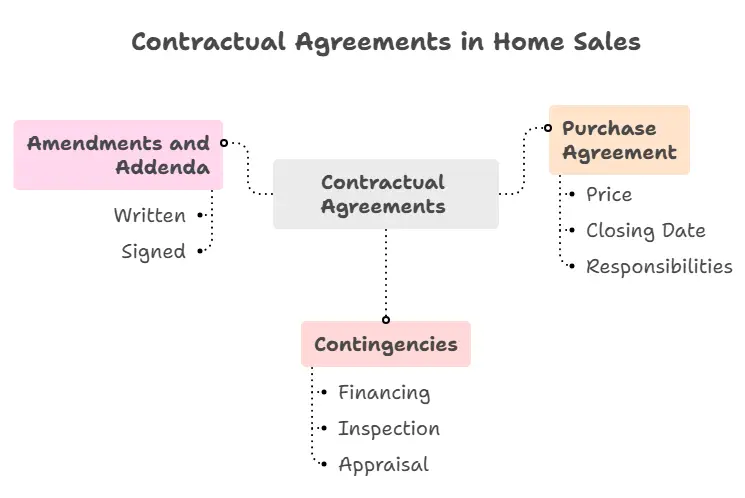
Amendments and Addenda
From time to time, changes or additions may be needed to the original contract. These must be made in writing and signed by both parties to be legally binding.
Essential Steps in the Selling Process
Beyond the legal requirements, a structured approach to selling your house will maximize your chances of a successful sale. This involves preparation, strategic marketing, and skillful negotiation, all while keeping the legal framework in mind.
Preparing Your Home for Sale
The first impression is crucial. A well-prepared home attracts more buyers and can command a higher price. This stage involves both physical improvements and staging to make your property as appealing as possible.
Decluttering and Depersonalizing
This is a fundamental step. Remove excess furniture, personal belongings, and excessive decorations. You want prospective buyers to envision themselves living in the space, not be distracted by your personal taste.
Deep Cleaning and Repairs
A spotless home signals that it’s been well-maintained. Address any minor repairs, such as leaky faucets, chipped paint, or squeaky doors. These small fixes can make a big difference to a buyer’s perception.
Staging Your Home
Staging involves arranging furniture and decor to highlight the best features of each room and create a welcoming atmosphere. Professional stagers can be hired, or you can employ DIY techniques.
Curb Appeal
The exterior of your home is the first thing a buyer sees. Ensure your landscaping is neat, the exterior paint is fresh, and any outdoor areas are inviting.
Pricing Your Home Strategically
Setting the right price is a delicate balance. Price too high, and you risk deterring buyers. Price too low, and you leave money on the table. This requires careful market research and an understanding of your local real estate market.
Comparative Market Analysis (CMA)
Your real estate agent will typically conduct a CMA, which analyzes recent sales of comparable properties in your area. This helps determine a competitive and realistic asking price.
Understanding Market Conditions
Factors like current demand, interest rates, and the overall economic climate can influence pricing. A seller’s market (high demand, low inventory) allows for higher pricing, while a buyer’s market dictates more competitive pricing.
Factor in Potential Buyer Negotiations
It’s wise to price your home with some room for negotiation. Buyers often expect to negotiate the final price, so factoring this into your initial asking price can be a smart move.
Marketing Your Property Effectively
Once your home is prepared and priced, you need to get the word out. Effective marketing will attract a wider pool of potential buyers and generate interest.
Professional Photography and Videography
High-quality visuals are essential in today’s digital real estate landscape. Invest in professional photos and consider a virtual tour or video walkthrough.
Online Listing Platforms
Your real estate agent will list your property on major online portals, allowing it to be seen by a vast number of potential buyers.
Open Houses and Showings
These events allow prospective buyers to visit your home and experience it firsthand. Plan them strategically for maximum impact.
The Role of Your Real Estate Agent
A good agent will have a robust marketing plan in place, leveraging their network and online tools to expose your property to the widest possible audience.
Entering into a Legal Agreement: The Purchase Contract
The moment a buyer expresses serious interest, you’ll likely receive an Offer to Purchase. This document marks the beginning of the formal negotiation and legal framework for the sale. Understanding its components and implications is crucial for protecting your interests.
Reviewing and Negotiating the Offer
This is where your understanding of legal terms becomes critically important. Don’t feel pressured to accept the first offer. Take your time to review all the terms carefully.
Key Components of an Offer
An offer will typically include the proposed purchase price, earnest money deposit, closing date, desired contingencies, and any personal property included in the sale.
Understanding Contingencies
As mentioned earlier, contingencies protect the buyer. You need to understand what these are and whether you are comfortable with them. For instance, a financing contingency means the sale is dependent on the buyer securing a loan.
Counteroffers and Negotiations
It’s common to receive an offer that isn’t exactly what you’re looking for. You have the right to issue a counteroffer, proposing different terms that are more favorable to you. This can involve negotiating price, closing date, or other conditions.
The Role of the Real Estate Attorney
While real estate agents are skilled facilitators, a real estate attorney is your legal advocate. They can provide invaluable guidance throughout the transaction, particularly during the contract phase.
Ensuring Legal Compliance
An attorney will ensure that all aspects of the purchase agreement comply with local and state real estate laws. They can identify any problematic clauses or omissions.
Protecting Your Interests
Your attorney’s primary role is to protect your legal and financial interests. They will review the contract from your perspective, pointing out potential risks or areas for improvement.
Facilitating the Closing Process
From reviewing title reports to ensuring all necessary documents are executed correctly, an attorney plays a vital role in a smooth closing.
Navigating the Closing Process: Legal and Practicalities
The closing, or settlement, is the final stage where ownership of the property is legally transferred from you to the buyer. This involves a complex series of steps, legal document signings, and financial transactions.
The Importance of the Closing Attorney or Escrow Agent
Most jurisdictions utilize a closing attorney or an escrow agent to manage the closing process. These neutral third parties ensure that all the terms of the purchase agreement are met and that funds are distributed correctly.
Their Role in Handling Funds
The escrow agent holds the buyer’s earnest money deposit and the remainder of the purchase price until all conditions of the sale are satisfied. They then disburse these funds to you, your agent, and any other parties entitled to payment.
Ensuring Document Execution
They oversee the signing of all necessary legal documents, including the deed, mortgage documents (for the buyer), and various affidavits.
Coordinating with Lenders and Title Companies
The closing agent works in tandem with the buyer’s lender to ensure mortgage funds are ready and with the title company to ensure clear title is passed.
Finalizing the Deed and Transfer of Ownership
The deed is the legal document that officially transfers ownership of your property to the buyer. It must be prepared accurately and signed in accordance with legal requirements.
Types of Deeds
The most common type of deed used in sales is a Warranty Deed, which provides the buyer with the strongest assurances of ownership. Other types, like a Quitclaim Deed, offer less protection to the buyer.
Proper Execution of the Deed
The deed must be signed by you (the seller) and notarized. It is then recorded in the public records of the county where the property is located, making the transfer of ownership official.
Addressing Outstanding Debts and Fees
At closing, all outstanding debts associated with the property must be settled. This includes your mortgage, any outstanding property taxes, homeowner’s association dues, and any other liens.
Mortgage Payoff
Your lender will provide a payoff statement detailing the exact amount needed to satisfy your mortgage. This amount is typically paid directly from the sale proceeds.
Property Taxes and HOA Dues
These will be prorated from the closing date, meaning you’ll be responsible for the portion of the year you owned the property.
Real Estate Agent Commissions
Your real estate agent’s commission, typically a percentage of the sale price, is also paid out at closing.
Post-Sale Legal Considerations
| Legal Requirement | Description |
|---|---|
| Property Title | The seller must have a clear and marketable title to the property, free from any liens or encumbrances. |
| Disclosure Documents | Sellers are required to provide disclosure documents regarding the condition of the property, any known defects, and environmental hazards. |
| Sales Contract | A legally binding contract outlining the terms of the sale, including price, closing date, and any contingencies. |
| Home Inspection | Buyers have the right to conduct a home inspection to identify any issues with the property before finalizing the sale. |
| Closing Documents | Various legal documents, including the deed, mortgage, and transfer tax forms, must be prepared and signed at the closing. |
Even after the closing, there might be a few lingering legal considerations to keep in mind. Being aware of these will help you avoid any unforeseen issues.
Record Keeping
It’s essential to keep meticulous records of all documents related to the sale of your home. This includes the purchase agreement, disclosure statements, closing documents, and any correspondence with the buyer or their representatives.
Why Record Keeping is Important
These records can be vital for tax purposes, future reference, or in the unlikely event of a future legal dispute.
What to Keep and For How Long
Keep closing statements, deeds, and tax-related documents for at least seven years, or as advised by your tax professional.
Capital Gains Tax Implications
When you sell your home for more than you paid for it, you may be subject to capital gains tax. There are, however, exemptions that can significantly reduce or eliminate this tax liability.
Understanding Capital Gains
Capital gains tax applies to the profit made from the sale of an asset. In real estate, this profit is the difference between your adjusted cost basis (original purchase price plus the cost of significant improvements) and the selling price.
The Primary Residence Exclusion
The U.S. tax code allows individuals to exclude a certain amount of capital gains from the sale of their primary residence. For 2023, this exclusion is up to $250,000 for single filers and $500,000 for married couples filing jointly, provided you’ve lived in the home for at least two out of the five years preceding the sale.
Consulting a Tax Professional
It is highly recommended to consult with a tax advisor to understand your specific tax obligations and to ensure you take advantage of any available exemptions or deductions.
Potential for Future Disputes
While most home sales are straightforward, there’s always a small possibility of a dispute arising after the closing. This is usually related to something that was not disclosed or a misunderstanding of the contract terms.
The Importance of Full Disclosure
This reiterates the absolute necessity of being completely honest in your property disclosures. Failure to disclose a known material defect can lead to legal action initiated by the buyer long after you’ve moved out.
Understanding Your Warranties (or Lack Thereof)
Once you sell a home “as is,” you generally offer no warranties about its condition. However, if you made specific representations or warranties in the contract, you could be held liable if they prove to be false.
Selling your home is a journey, and by understanding the legal requirements and following these essential steps, you can navigate it with confidence and achieve a successful outcome. Remember, seeking professional advice from a real estate attorney and a knowledgeable real estate agent is an investment that can save you considerable time, money, and stress in the long run.
FAQs
What are the legal requirements for selling a house?
In order to sell a house, there are several legal requirements that must be met. These may include obtaining a property title, providing a seller’s disclosure, and adhering to local zoning and building codes.
Do I need a real estate agent to sell my house?
While it is not legally required to use a real estate agent to sell a house, it is highly recommended. A real estate agent can help navigate the legal requirements, market the property, and negotiate with potential buyers.
What is a seller’s disclosure and why is it important?
A seller’s disclosure is a document that outlines any known issues or defects with the property. It is important because it provides transparency to potential buyers and helps protect the seller from future legal issues.
Are there specific legal requirements for selling a house in different states?
Yes, legal requirements for selling a house can vary by state. It is important to research and understand the specific laws and regulations in the state where the property is located.
What are the consequences of not meeting legal requirements when selling a house?
Failure to meet legal requirements when selling a house can result in legal disputes, financial penalties, and even the cancellation of the sale. It is important to ensure all legal requirements are met to avoid these consequences.