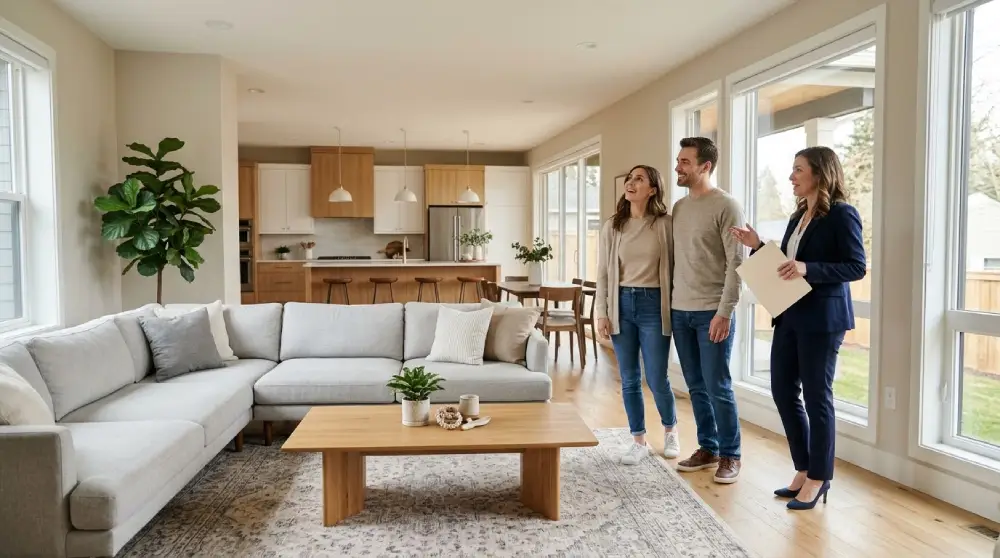
Walking through a home you might buy is exciting. It is also easy to get distracted by fresh paint, staged furniture, and a great kitchen. Knowing the right questions to ask during a home tour helps you look past the surface and see what the property is really like.
This guide covers what to ask, who to ask, and what to watch for while you listen. Take it with you on your next showing and feel prepared from the front door to the backyard.
- Why the Right Questions Matter on a Showing
- Questions About the Home's Condition
- Questions About the Neighborhood and Surroundings
- Questions About the Seller and the Sale
- Questions About Layout, Storage, and Daily Living
- What to Look For While You Ask
- Tips to Make the Most of Your Home Tour
- Conclusion
- Frequently Asked Questions
Why the Right Questions Matter on a Showing
A home tour usually lasts less than an hour. In that short time, you are trying to judge a place where you may live for many years.
Good questions give you facts that photos and listings cannot. They also show you how open the seller and agent are, which tells you a lot.
Keep a notes app or a small notebook handy. Write down answers as you go, because homes start to blur together after a few visits.
Questions About the Home’s Condition
The condition of a home affects your safety, comfort, and future repairs. Start here.
Roof and Structure
The roof and foundation are the backbone of any house. Ask about them early.
- How old is the roof, and has it ever been repaired or replaced?
- Are there any cracks in the foundation or signs of settling?
- Has there ever been water damage in the attic, basement, or crawl space?
- Are there stains on the ceilings or walls that have been painted over?
Look up as well as down. Ceiling stains and uneven floors can say more than any answer.
Plumbing, Electrical, and Heating
These systems are expensive to fix and hard to see. Ask about their age and history.
- How old is the water heater?
- What type of plumbing pipes does the house have?
- Has the electrical panel been updated?
- When was the heating and cooling system last serviced?
- Do all outlets and light switches work properly?
Turn on a few faucets and flip a few switches while you are there. Check the water pressure and listen for strange noises.
Past Repairs and Upgrades
A home’s history helps you predict its future.
- What repairs or renovations have been done, and were permits obtained?
- Were the upgrades done by licensed professionals?
- Has the home had pest problems, mold, or leaks?
- Are there warranties or records for any major work?
Ask to see paperwork if it exists. Sellers who kept good records usually took good care of the home.
Questions About the Neighborhood and Surroundings
You are buying more than a building. You are buying a location and a lifestyle.
Noise and Traffic
A quiet street at noon can be very different at rush hour or on a weekend night.
- How busy is the street during mornings and evenings?
- Is there noise from planes, trains, highways, or nearby businesses?
- Are there any planned construction projects in the area?
If possible, return at a different time of day to see how the area changes.
Neighbors and Community
Neighbors shape daily life more than most buyers expect.
- What are the neighbors like?
- Is the area mostly homeowners or renters?
- Are there community events, parks, or gathering spaces nearby?
- Are there any ongoing disputes or issues in the area?
If you see neighbors outside, a friendly hello can give you a quick and honest impression.
Schools and Local Conveniences
Even if you do not have children, the quality of local schools often affects how easy it is to sell a home later.
- Which schools serve this address?
- How far are the nearest grocery stores, pharmacies, and medical clinics?
- How long is the commute to work or public transport?
- Are there parks, gyms, or restaurants close by?
Think about your normal week. Can you picture yourself running errands from this address?
Questions About the Seller and the Sale
The seller’s story can reveal a lot. Ask politely and listen closely.
- Why are the owners moving?
- How long have they lived in the home?
- How long has the home been on the market?
- Have there been other offers or showings?
- Which items are included in the sale, such as appliances, curtains, or light fixtures?
- Is there a preferred timeline for closing?
Be open and friendly rather than pushy. Often, sellers and agents share more when the conversation feels relaxed.
Questions About Layout, Storage, and Daily Living
A house can look beautiful and still not suit the way you live. Picture your routine in each room.
- Does the floor plan flow well for your daily habits?
- Is there enough closet, pantry, and garage storage?
- How much natural light does each room get?
- Which direction does the home face, and how does that affect heat and brightness?
- Is there room to work from home?
- Can the space grow with your family or needs?
Stand in each room for a moment. Imagine where your furniture would go and how you would move through the space.
What to Look For While You Ask
Answers matter, but so does what you see. Use your eyes, nose, and ears throughout the visit.
Signs That Deserve a Closer Look
- A musty smell, which may point to moisture or mold
- Fresh paint in only one spot, which may hide stains
- Doors and windows that stick or do not close well
- Cracks in walls, floors, or ceilings
- Slow drains or weak water flow
- Poor cell phone signal inside the home
None of these automatically rules out a home. They are simply reasons to ask more questions or request a professional inspection.
Tips to Make the Most of Your Home Tour
A little preparation makes your visit far more useful.
Prepare Before You Arrive
Read the listing carefully and note anything unclear. Create a short list of your must haves and your deal breakers so you stay focused.
Take Photos and Videos
Ask permission first, then capture each room and any areas of concern. Photos help you compare homes later and remind you of details you might forget.
Bring Someone You Trust
A second set of eyes can catch things you miss. A friend or family member may also ask questions you did not think of.
Take Your Time
Do not rush through the visit. Open cabinets, check closets, and walk the yard. A good agent will give you space to look around.
Follow Up Afterward
If a question comes to mind after you leave, send it to your agent right away. Most answers can be found with a quick call or message.
Conclusion
Preparing the right questions to ask during a home tour turns a casual visit into a smart investigation. You learn about the home’s condition, the neighborhood, the seller’s situation, and how well the space fits your life.
Ask with curiosity, observe with care, and write everything down. The more you learn during the tour, the more confident you will feel when it is time to make a decision.
Frequently Asked Questions
What are the most important questions to ask during a home tour?
Focus on the home’s condition, including the roof, plumbing, electrical system, and heating. Also ask about past repairs, the neighborhood, and why the seller is moving. These topics reveal the most about the property and its future.
How long should a home tour take?
Most home tours last between thirty and sixty minutes. Take more time if the home is large or you are very interested. Rushing can cause you to miss important details.
Should I ask the seller or the agent my questions?
Direct most questions to the listing agent, who usually has the answers. If the seller is present, keep the conversation friendly and light. Your own agent can also help ask sensitive questions on your behalf.
Can I take photos during a home tour?
In most cases, yes, but always ask permission first. Photos and videos help you remember each home and compare options later. Some sellers may limit photography for privacy reasons.
What red flags should I look for during a home tour?
Watch for musty smells, water stains, cracked walls, sticking doors, and fresh paint in odd spots. These can point to hidden problems. If you notice any, ask questions and consider a professional home inspection.