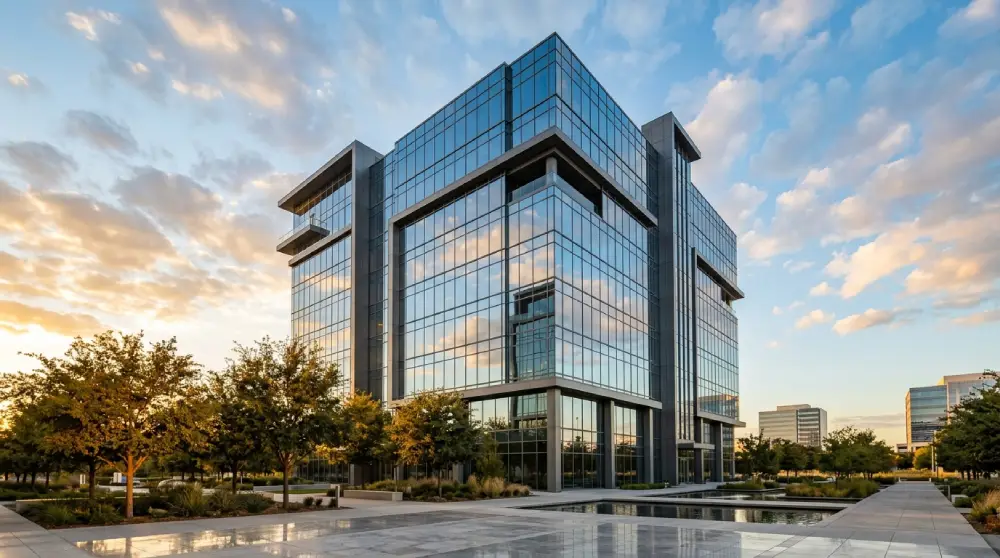
Commercial Real Estate Investing has become one of the most talked about wealth building strategies among modern investors. Unlike residential properties, commercial real estate offers unique income potential, long term tenant relationships, and opportunities to diversify a portfolio beyond traditional stocks and bonds. Whether you are a beginner exploring new investment avenues or an experienced investor looking to expand your holdings, understanding the fundamentals of commercial real estate can help you make informed and confident decisions.
- What Is Commercial Real Estate Investing
- Why Investors Choose Commercial Real Estate
- How to Start Investing in Commercial Real Estate
- Key Factors That Influence Commercial Property Performance
- Risks to Consider in Commercial Real Estate Investing
- Tips for Long Term Success in Commercial Real Estate
- Conclusion
- FAQs
What Is Commercial Real Estate Investing
Commercial real estate investing refers to purchasing properties that are used for business purposes rather than personal residence. These properties generate income through leases paid by businesses, retailers, or organizations that operate within them. The appeal lies in the potential for stable cash flow, property appreciation, and long term financial growth.
Types of Commercial Properties
Commercial real estate includes several property categories, each with its own characteristics and tenant needs.
Office buildings house businesses ranging from small startups to large corporations. Retail spaces include shopping centers, standalone stores, and strip malls that serve consumer facing businesses. Industrial properties such as warehouses and distribution centers support manufacturing and logistics operations. Multifamily buildings with five or more units are also classified as commercial properties in many markets. Specialty properties like hotels, medical facilities, and self storage units round out this diverse asset class.
Why Investors Choose Commercial Real Estate

Many investors are drawn to commercial real estate because it offers benefits that differ significantly from residential investing.
Steady Income Potential
Commercial leases are typically longer than residential leases, often spanning several years. This creates a more predictable and stable income stream for property owners, reducing the frequency of tenant turnover and vacancy periods.
Portfolio Diversification
Adding commercial properties to an investment portfolio helps spread risk across different asset classes. Real estate often behaves differently than stocks or bonds, which can provide balance during periods of market volatility.
Value Appreciation Opportunities
Well located and well managed commercial properties tend to appreciate over time. Strategic improvements, strong tenant relationships, and smart property management can further enhance a property’s long term value.
Passive Income Through Leasing
Once a property is leased and stabilized, it can generate consistent income with relatively hands off management, especially when working with professional property managers.
How to Start Investing in Commercial Real Estate
Getting started in commercial real estate requires research, planning, and a clear understanding of your investment goals.
Define Your Investment Strategy
Before purchasing any property, it is important to clarify what you want to achieve. Some investors focus on long term rental income, while others seek properties with strong appreciation potential or opportunities for redevelopment.
Understand Market Fundamentals
Location plays a critical role in commercial real estate success. Factors such as local economic growth, employment rates, infrastructure development, and demand for commercial space all influence a property’s long term performance.
Build a Knowledgeable Team
Successful commercial real estate investing often involves collaborating with professionals such as real estate agents, property managers, attorneys, and financial advisors who specialize in commercial transactions.
Conduct Thorough Due Diligence
Before finalizing any purchase, investors should carefully review property conditions, lease agreements, zoning regulations, and potential risks. This step helps ensure the investment aligns with long term goals and expectations.
Key Factors That Influence Commercial Property Performance
Several elements determine how well a commercial property performs over time.
Location and Accessibility
Properties situated near major transportation routes, business districts, or growing residential areas tend to attract stronger tenant interest and long term demand.
Tenant Quality and Lease Terms
The financial stability of tenants and the structure of their lease agreements significantly impact cash flow consistency. Long term leases with reliable tenants provide greater income security.
Property Condition and Management
Well maintained properties are more attractive to potential tenants and tend to retain value better over time. Proactive management, timely maintenance, and clear communication with tenants all contribute to long term success.
Market Demand and Economic Trends
Local economic conditions, population growth, and industry trends influence the demand for different types of commercial spaces, making ongoing market awareness essential for investors.
Risks to Consider in Commercial Real Estate Investing
Like any investment, commercial real estate comes with risks that should be carefully evaluated.
Vacancy Risk
Extended vacancies can impact cash flow, especially in properties with fewer tenants. Diversifying tenant types or investing in multi tenant properties can help reduce this risk.
Market Fluctuations
Economic downturns or shifts in industry demand can affect property values and rental income, making it important to stay informed about broader market trends.
Management Challenges
Commercial properties often require specialized knowledge to manage effectively, particularly when dealing with complex lease structures or maintenance needs across multiple tenants.
Tips for Long Term Success in Commercial Real Estate
Building a successful commercial real estate portfolio takes patience, strategy, and continuous learning.
Focus on properties in areas with strong economic fundamentals and growth potential. Prioritize long term tenant relationships to maintain consistent occupancy. Stay updated on local zoning laws, market trends, and industry developments. Reinvest profits strategically to expand and strengthen your portfolio over time. Work with experienced professionals who understand the nuances of commercial transactions.
Conclusion
Commercial Real Estate Investing offers a compelling path toward building long term wealth through stable income, portfolio diversification, and property appreciation. understanding the different types of commercial properties, evaluating key performance factors, and conducting thorough research, investors can make confident and informed decisions. Success in this space comes from patience, strategic planning, and a willingness to continuously learn about evolving market dynamics. With the right approach, commercial real estate can become a valuable and rewarding part of any investment portfolio.
FAQs
What is commercial real estate investing?
Commercial real estate investing involves purchasing properties used for business purposes, such as offices, retail spaces, or warehouses, to generate rental income and long term value growth.
Is commercial real estate a good investment for beginners?
Yes, with proper research and guidance from experienced professionals, beginners can successfully enter commercial real estate investing by starting with well located, manageable properties.
What types of properties fall under commercial real estate?
Common types include office buildings, retail centers, industrial warehouses, multifamily complexes, and specialty properties like hotels and medical facilities.
How does commercial real estate generate income?
Income is primarily generated through lease payments made by tenants who operate businesses within the property, often under long term lease agreements.
What factors affect the performance of a commercial property?
Key factors include location, tenant quality, lease terms, property condition, and overall market demand within the local economy.