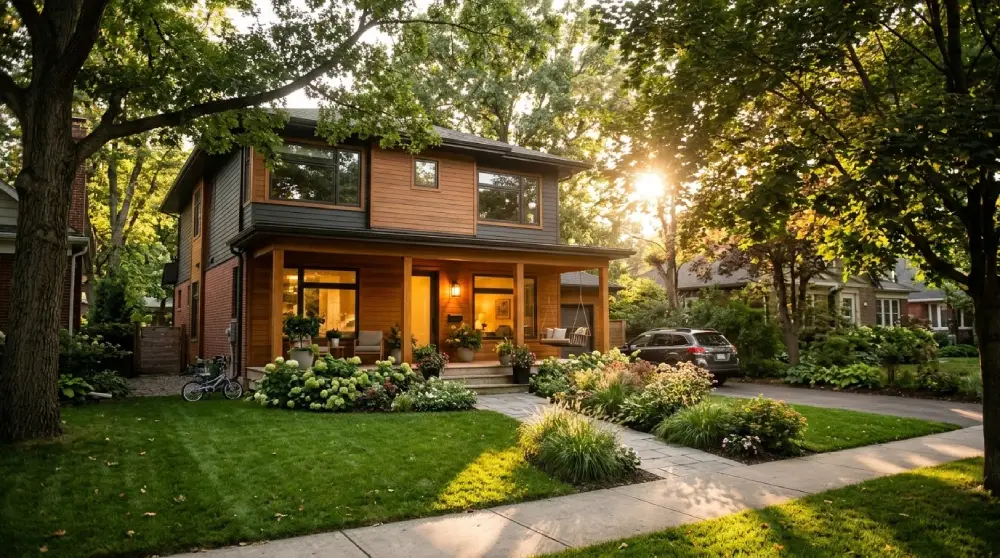
As you step into the rental market of 2025, you find yourself in a landscape that has undergone significant transformation. The dynamics of renting have shifted dramatically, influenced by a myriad of factors including economic conditions, technological advancements, and changing societal norms. The rental market is no longer just about finding a place to live; it has evolved into a complex ecosystem where affordability, sustainability, and tenant preferences play pivotal roles.
- Key Takeaways
- Trends in Rental Prices and Affordability
- Impact of Technology on Rental Market
- Changes in Tenant Preferences and Demands
- Regulatory Changes Affecting Landlords and Tenants
- Sustainability and Green Initiatives in Rental Properties
- Evolving Property Management Practices
- The Rise of Co-Living and Co-Working Spaces
- Impact of Remote Work on Rental Market
- Strategies for Landlords to Attract and Retain Tenants
- Tips for Tenants to Navigate the Rental Market in 2025
- FAQs
Understanding these changes is crucial for both landlords and tenants as they navigate this new terrain. In this year, the rental market reflects broader societal trends, including the impact of the global pandemic and the subsequent economic recovery. You may notice that urban areas are experiencing a resurgence, with many people returning to cities after a period of remote living.
However, the demand for rental properties is not uniform across all regions; some areas are thriving while others are struggling. As you delve deeper into the intricacies of the rental market in 2025, you will uncover the trends and challenges that define this era, shaping the experiences of both landlords and tenants alike.
Key Takeaways
- Rental market in 2025 is characterized by evolving tenant preferences and technological advancements.
- Trends show a rise in rental prices and affordability challenges, impacting tenant choices and demands.
- Technology has significantly impacted the rental market, from virtual property viewings to online rent payments.
- Tenant preferences have shifted towards sustainable and green rental properties with a focus on eco-friendly initiatives.
- Regulatory changes have affected both landlords and tenants, requiring adaptation to new laws and policies.
Trends in Rental Prices and Affordability
As you explore rental prices in 2025, you may find that they have experienced fluctuations influenced by various economic factors. In many urban centers, rental prices have surged due to increased demand and limited housing supply. This trend can be attributed to a combination of factors, including population growth, a return to city living, and a competitive job market that attracts new residents.
However, while some areas see rising prices, others may experience stagnation or even declines, creating a patchwork of affordability across different regions. Affordability remains a pressing concern for many tenants. You might notice that the percentage of income spent on rent has increased for a significant portion of the population.
This has led to a growing demand for affordable housing solutions, prompting local governments and developers to explore innovative approaches to meet this need. As you navigate the rental market, understanding these trends will be essential in making informed decisions about where to live and how much to budget for housing.
Impact of Technology on Rental Market
In 2025, technology plays an integral role in shaping the rental market. You may find that property management software has become more sophisticated, streamlining processes for landlords and enhancing the tenant experience. Online platforms allow for seamless communication between landlords and tenants, making it easier to address maintenance requests or resolve issues promptly.
Additionally, virtual tours and augmented reality tools have transformed how you search for rental properties, enabling you to explore potential homes from the comfort of your own space. Moreover, technology has also facilitated the rise of smart home features in rental properties. As a tenant, you might appreciate the convenience of smart thermostats, security systems, and energy-efficient appliances that not only enhance your living experience but also contribute to sustainability efforts.
The integration of technology into rental properties is not just about convenience; it also reflects a broader trend toward modernizing living spaces to meet the expectations of today’s renters.
Changes in Tenant Preferences and Demands
As you navigate the rental market in 2025, you will likely notice a shift in tenant preferences that reflects changing lifestyles and values. Many renters are prioritizing flexibility and convenience over traditional long-term leases. You may find that short-term rentals and month-to-month agreements are becoming increasingly popular as people seek adaptable living arrangements that align with their dynamic lives.
This trend is particularly evident among younger generations who value experiences over possessions. Additionally, tenants are placing greater emphasis on amenities and community features within rental properties. You might find that access to shared spaces such as gyms, co-working areas, and communal gardens is becoming a deciding factor in your rental choices.
The desire for community engagement and social interaction has led landlords to rethink their property offerings, creating environments that foster connection among residents. As you explore your options, understanding these evolving preferences will help you identify properties that align with your lifestyle.
Regulatory Changes Affecting Landlords and Tenants
In 2025, regulatory changes continue to shape the rental landscape, impacting both landlords and tenants in significant ways. You may find that many cities have implemented rent control measures aimed at curbing rising housing costs and ensuring affordability for residents. These regulations can influence your search for rental properties, as they may limit how much landlords can charge for rent or impose restrictions on evictions.
Moreover, tenant rights have gained increased attention in recent years, leading to stronger protections against discrimination and unfair practices. As a tenant, you might feel more empowered knowing that there are laws in place to safeguard your rights. However, these regulations can also pose challenges for landlords who must navigate compliance while maintaining profitability.
Understanding the regulatory environment is essential for both parties as it can significantly impact your rental experience.
Sustainability and Green Initiatives in Rental Properties
Sustainability has become a cornerstone of modern living in 2025, influencing both tenant preferences and landlord practices. As you search for rental properties, you may prioritize eco-friendly features such as energy-efficient appliances, solar panels, and sustainable building materials. Many landlords are recognizing this demand and are investing in green initiatives to attract environmentally conscious tenants like yourself.
In addition to individual property features, you might notice a growing trend toward sustainable community practices within rental developments. Properties that incorporate green spaces, promote recycling programs, or offer public transportation access are becoming increasingly appealing. As sustainability becomes more ingrained in societal values, it is likely that you will encounter more options that align with your commitment to environmental responsibility.
Evolving Property Management Practices
The role of property management has evolved significantly in 2025, driven by technological advancements and changing tenant expectations. As you engage with landlords or property managers, you may find that they are adopting more proactive approaches to tenant relations. Enhanced communication channels through apps or online portals allow for quicker responses to maintenance requests and inquiries, improving your overall experience as a renter.
Furthermore, property managers are increasingly focusing on tenant retention strategies to create a sense of community within their buildings. You might encounter initiatives such as resident events or social gatherings designed to foster connections among tenants. This shift reflects an understanding that happy tenants are more likely to renew their leases and recommend properties to others.
As you navigate the rental market, recognizing these evolving practices can help you identify properties that prioritize tenant satisfaction.
The Rise of Co-Living and Co-Working Spaces
In 2025, co-living and co-working spaces have gained traction as innovative solutions to meet the needs of modern renters. You may find that co-living arrangements offer an appealing alternative to traditional rentals by providing fully furnished spaces with shared amenities at competitive prices. This model not only reduces living costs but also fosters a sense of community among residents who share similar lifestyles.
Co-working spaces have also become integral to many rental properties, catering to the growing number of remote workers and freelancers like yourself. You might appreciate having access to professional workspaces within your living environment, allowing for greater work-life balance without the need for lengthy commutes. As these trends continue to evolve, they reflect a broader shift toward collaborative living arrangements that prioritize flexibility and community engagement.
Impact of Remote Work on Rental Market
The rise of remote work has had a profound impact on the rental market in 2025. As you embrace flexible work arrangements, you may find yourself reevaluating your living situation based on factors such as location and space requirements. Many individuals are opting for larger homes or apartments that accommodate home offices or dedicated workspaces, leading to increased demand for certain types of properties.
Additionally, remote work has prompted some renters to consider locations outside traditional urban centers. You might discover that suburban or rural areas are becoming more attractive due to lower costs of living and improved quality of life. This shift is reshaping the rental landscape as landlords adapt their offerings to cater to this new demographic of remote workers seeking both comfort and functionality in their living spaces.
Strategies for Landlords to Attract and Retain Tenants
For landlords navigating the competitive rental market in 2025, implementing effective strategies is crucial for attracting and retaining tenants like yourself. One approach is enhancing property appeal through modern amenities and upgrades that align with current tenant preferences. You may be drawn to properties featuring smart home technology or eco-friendly features that reflect your values.
Additionally, fostering positive relationships with tenants can significantly impact retention rates. Landlords who prioritize open communication and responsiveness are more likely to create a positive living environment that encourages lease renewals. Offering incentives such as flexible lease terms or referral bonuses can also enhance tenant satisfaction and loyalty.
As you evaluate potential rentals, consider how these strategies influence your overall experience as a tenant.
Tips for Tenants to Navigate the Rental Market in 2025
As you embark on your journey through the rental market in 2025, there are several tips that can help you navigate this evolving landscape effectively. First and foremost, conducting thorough research is essential; familiarize yourself with local rental trends and pricing to ensure you make informed decisions about where to live. Utilize online platforms that provide insights into neighborhoods and property features that align with your preferences.
Additionally, don’t hesitate to ask questions during property viewings or discussions with landlords. Understanding lease terms, maintenance policies, and community amenities can help you avoid potential pitfalls down the line. Finally, consider your long-term goals when choosing a rental; whether you prioritize flexibility or stability will influence your decision-making process as you seek out the ideal living situation in this dynamic market.
In conclusion, navigating the rental market in 2025 requires an understanding of various trends and factors shaping this landscape. staying informed about pricing dynamics, technological advancements, tenant preferences, regulatory changes, sustainability initiatives, property management practices, co-living arrangements, remote work impacts, landlord strategies, and practical tips for tenants like yourself, you can make informed choices that enhance your renting experience in this ever-evolving environment.
FAQs
What are the current trends in the rental market for 2025?
The current trends in the rental market for 2025 include a shift towards more flexible lease terms, an increase in demand for pet-friendly rentals, and a growing preference for eco-friendly and sustainable properties.
What should landlords expect in the rental market for 2025?
Landlords should expect a continued demand for rental properties, especially in urban areas, as well as an increased focus on technology to streamline property management processes. Additionally, landlords may see a rise in the popularity of co-living and co-working spaces.
What should tenants expect in the rental market for 2025?
Tenants can expect a wider range of rental options, including more furnished and flexible lease options. They may also see an increase in rental prices, especially in high-demand areas, and a greater emphasis on sustainable and energy-efficient properties.