Managing a rental property can be incredibly rewarding, but it can also quickly feel like a chaotic second job. Whether you are dealing with a single family home or juggling a growing multi unit portfolio, the difference between a stressed landlord and a successful investor usually comes down to systems. We will discuss about essential property management tips for landlords.
To help you protect your investment, maintain your sanity, and maximize your cash flow, we have compiled the ultimate guide to property management tips for landlords. From vetting applicants to handling 2am maintenance calls, here is how to run your rental business like a pro. We will discuss about essential property management tips for landlords.
- 1. Treat Your Rental Property Like a Real Business
- 2. Implement Strict Tenant Screening Procedures
- 3. Prioritize These Property Management Tips for Landlords Regarding Maintenance
- 4. Master Communication and Set Clear Boundaries
- 5. Leverage Digital Tools and Automation
- 6. Focus on Long Term Tenant Retention
- Summary Checklist for Landlord Success
- Frequently Asked Questions
1. Treat Your Rental Property Like a Real Business
The biggest mistake independent landlords make is treating their rental property as a casual side hustle. The moment you accept a security deposit, you become a business owner.
- Separate your finances: Open a dedicated bank account specifically for your rental income and property expenses. Never mix personal funds with business money.
- Keep meticulous records: Track every single penny that goes out for repairs, insurance, taxes, and software. This makes tax season a breeze and ensures you do not miss out on valuable deductions.
- Understand the local laws: Fair housing laws, local building codes, and eviction procedures vary heavily by region. Spend time reviewing the legal responsibilities in your specific area to avoid costly legal mistakes.
2. Implement Strict Tenant Screening Procedures
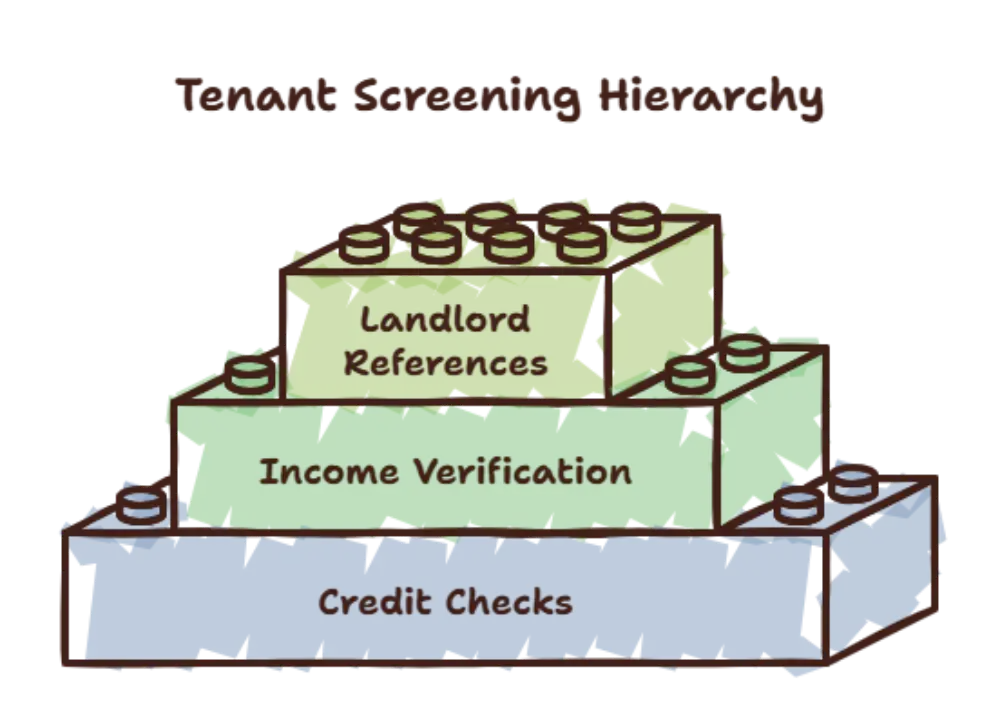
A vacant property is expensive, but a bad tenant is significantly more costly. Evictions, property damage, and unpaid rent can easily wipe out a whole year of profit. One of the absolute best property management tips for landlords is to create a rigorous, non negotiable screening process.
- Run comprehensive credit checks: Look for a history of timely payments rather than just a raw score, though a solid baseline score is a good indicator of financial responsibility.
- Verify income rigorously: Standard industry practice is to look for tenants whose gross monthly income is at least three times the monthly rent. Ask for recent pay stubs or tax documents.
- Call previous landlords: Do not just call the current landlord, as they might give a glowing review just to get rid of a problem tenant. Call the landlord before that for an honest assessment of their rental history.
3. Prioritize These Property Management Tips for Landlords Regarding Maintenance
Deferred maintenance is the fastest way to destroy the value of your asset and alienate great tenants. If you ignore a small water leak today, you will be replacing a rotted subfloor and dealing with mold remediation tomorrow.
- Conduct seasonal inspections: Schedule walk-throughs at least twice a year. Check under sinks for leaks, inspect the roof and gutters, test smoke detectors, and replace air filters.
- Build a reliable contractor network: Do not wait for the furnace to break down in the dead of winter to start looking for an HVAC technician. Find a trusted plumber, electrician, and general handyman ahead of time.
- Respond to requests immediately: When a tenant reports an issue, communicate right away. Even if you cannot get a contractor out until the next day, letting the tenant know you are on top of it builds massive goodwill.
4. Master Communication and Set Clear Boundaries
A healthy landlord tenant relationship requires a balance of empathy and professionalism. You want to be approachable, but you must also establish clear boundaries so you are not being taken advantage of.
- Establish preferred communication channels: Let tenants know the best way to reach you for routine requests, such as via email or a specific portal, and define what constitutes a true after hours emergency.
- Put everything in writing: If you agree to let a tenant get a pet or change a paint color, write it down and have both parties sign an addendum. Verbal agreements are incredibly difficult to enforce if a dispute arises.
- Enforce the lease consistently: If the lease states rent is due on the first of the month and a late fee applies on the fifth, enforce it. Making exceptions sets a precedent that makes it harder to collect rent on time in the future.
5. Leverage Digital Tools and Automation
You do not need an expensive, corporate team to operate efficiently. Technology has leveled the playing field for independent property owners, making modern digital tools essential property management tips for landlords looking to scale.
- Switch to online rent collection: Say goodbye to paper checks and trips to the bank. Online payments allow tenants to set up automatic transfers, ensuring you get paid faster and more reliably.
- Use digital lease signing: Send documents via secure e-signature platforms. It saves time, keeps a permanent digital record, and makes the onboarding process seamless for out of town applicants.
- Streamline maintenance tracking: Use basic management platforms where tenants can upload photos of maintenance issues. This helps you accurately diagnose problems before sending out a technician.
6. Focus on Long Term Tenant Retention
High tenant turnover is a major cash flow killer. Every time a tenant moves out, you incur expenses for painting, deep cleaning, advertising, and lost rent during the vacancy period. Keeping a great tenant should always be a top priority.
- Offer fair renewal rates: If market rent has gone up significantly, consider offering your existing, reliable tenant a slightly lower rate than market value to encourage them to stay. The cost of a small discount is often much less than a month of vacancy.
- Upgrade small details: When a great tenant renews their lease, offer to upgrade something small in the home, like a new kitchen faucet, modern light fixtures, or a smart thermostat.
- Respect their privacy: Your rental property is your asset, but it is your tenant’s home. Always give proper legal notice before showing up for inspections or repairs, and never drop by unannounced.
Summary Checklist for Landlord Success
To wrap things up, remember that successful property management is about being proactive rather than reactive. setting up strong business foundations, screening applicants thoroughly, staying ahead of property maintenance, and using digital automation, you will save yourself thousands of dollars and countless hours of stress. Treat your tenants with respect, protect your physical asset, and your rental business will thrive for years to come.
Frequently Asked Questions
What are the most critical property management tips for landlords to prevent vacancies?
The best ways to prevent vacancies are to price the property accurately according to the current market, maintain the home in excellent physical condition, and build strong relationships with your current tenants so they choose to renew their leases long term.
How often should a landlord inspect a rental property?
It is best practice to inspect the property two to three times a year. This allows you to check for hidden maintenance issues like leaks or safety hazards without disrupting your tenant’s privacy and quiet enjoyment of the home.
How should a landlord handle a tenant who pays rent late?
You should address late rent immediately by sending a polite but formal notice. Enforce the late fees outlined in your lease agreement consistently to establish clear expectations, and document all communications in writing.
Is it better for landlords to manage properties themselves or hire a manager?
Self management is ideal for landlords who have the time, live near the property, and want to maximize their immediate profit margins. Hiring a professional manager makes sense if you own multiple properties, live far away, or prefer a completely passive investment.
What is the best way for landlords to handle emergency maintenance requests?
Define exactly what qualifies as an emergency in your lease agreement, such as flooding or a lack of heat in winter. Provide tenants with a dedicated emergency contact number and have a trusted, on call network of contractors ready to respond to urgent situations.