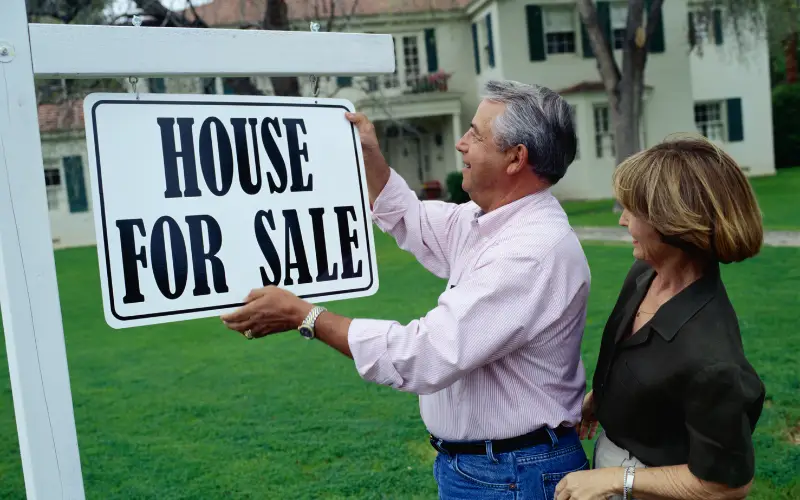
Selling your home is a major decision, and doing it right can make all the difference. Whether you’re relocating, downsizing, or upgrading, the process of selling can be both exciting and overwhelming. To ensure a smooth transaction and maximize your return, it’s crucial to approach the sale with strategy, preparation, and insight. In this guide, we’ll walk you through practical tips for selling your home that can help you close the deal faster and with confidence.
- Understand the Market Before Listing
- Prepare Your Home for Sale
- Stage Your Home to Impress
- Work With the Right Real Estate Agent
- Create a Strong Online Listing
- Be Flexible with Showings
- Respond to Feedback
- Handle Offers Strategically
- Prepare for the Home Inspection
- Stay Organized During Closing
- Final Thoughts
- FAQs
Understand the Market Before Listing
Before putting your house on the market, it’s essential to research and understand your local real estate landscape.
Analyze Market Trends
Study current housing trends in your area. Is it a buyer’s market or a seller’s market? Knowing this will help you determine how competitive your listing needs to be and how to time your sale effectively.
Know Your Neighborhood
Buyers often consider factors like school districts, commute times, and local amenities. Emphasize the strengths of your neighborhood in your listing and during showings to attract more interest.
Prepare Your Home for Sale
Presentation plays a key role in how quickly a home sells. First impressions matter, and buyers often make snap judgments within minutes of stepping into a house.
Declutter and Depersonalize
Remove personal items such as family photos and collectibles. Clear surfaces and pack away excess belongings to make the space feel larger and more inviting.
Deep Clean Every Room
From floors to ceilings, a sparkling home makes a strong statement. Pay special attention to kitchens, bathrooms, and high-touch surfaces. If needed, consider hiring a professional cleaning service.
Complete Minor Repairs
Fix leaky faucets, squeaky doors, chipped paint, or broken tiles. These small tasks can have a significant impact on how buyers perceive the home’s overall condition.
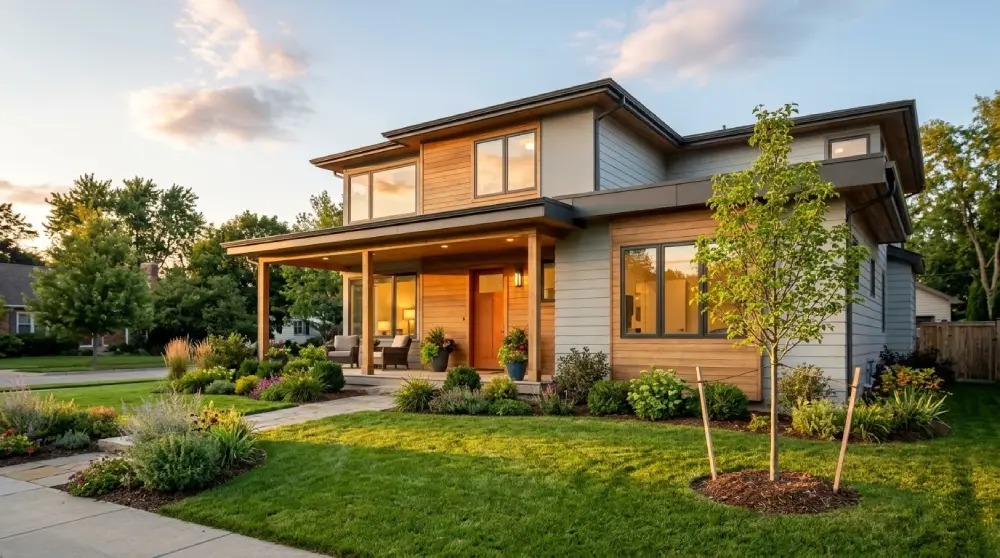
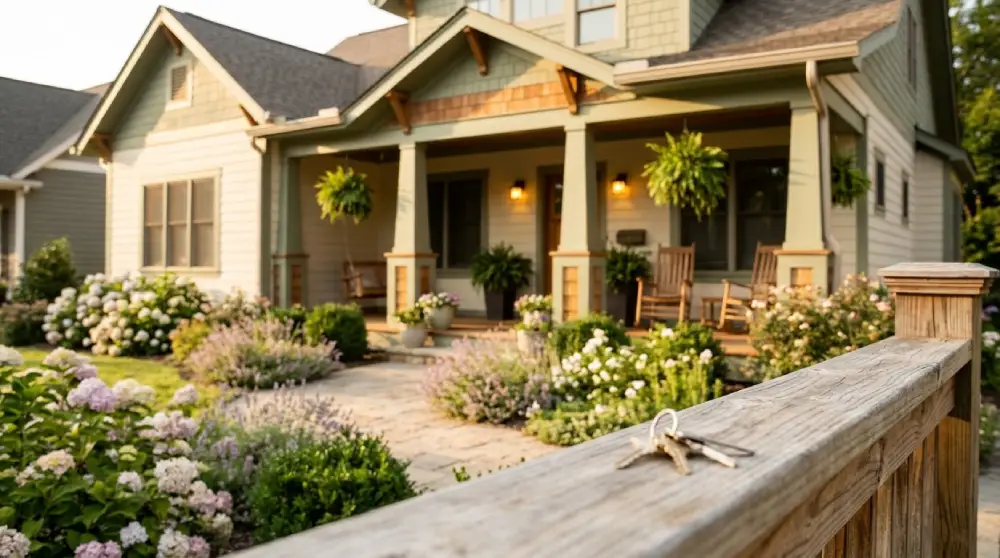
Boost Curb Appeal
Your home’s exterior is the first thing buyers see. Mow the lawn, trim the hedges, add fresh mulch, and plant flowers to create a welcoming entrance. A freshly painted front door can also make a big difference.
Stage Your Home to Impress
Home staging is more than just decorating—it’s about helping buyers visualize themselves living in your space.
Highlight Key Features
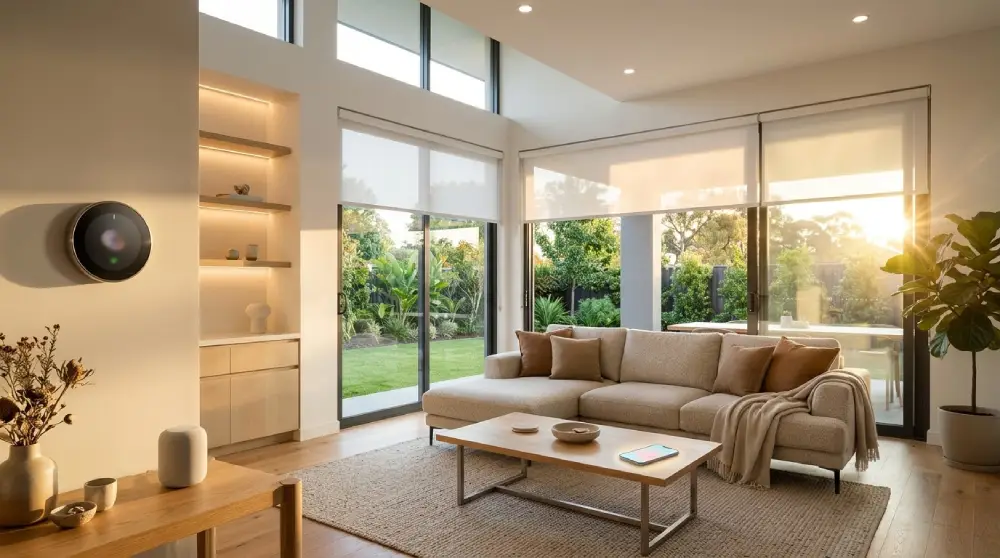
Arrange furniture to showcase each room’s purpose and flow. Use neutral colors and soft lighting to create a relaxing atmosphere. Focus on drawing attention to standout features like fireplaces, large windows, or built-in shelves.
Let in Natural Light
Open curtains and blinds to let in as much light as possible. Natural lighting enhances a home’s beauty and makes it appear more spacious and cheerful.
Keep It Neutral
Bold colors or unconventional decor may not appeal to everyone. Aim for a clean, neutral palette that appeals to a wide range of buyers.
Work With the Right Real Estate Agent
A knowledgeable real estate agent can be an invaluable asset throughout the selling process.
Choose Experience and Local Knowledge
Look for an agent with proven experience in your neighborhood. They’ll know how to market your home effectively and connect with the right buyers.
Ask the Right Questions
When interviewing agents, ask about their marketing strategy, communication style, and track record. A good agent should be transparent, responsive, and proactive.
Rely on Expert Guidance
From pricing advice to negotiation tactics, a seasoned agent can provide strategic insight that leads to a successful sale.
Create a Strong Online Listing
In today’s digital world, your online listing is the first impression most buyers will have.
Use Professional Photography
High-quality images are essential. Consider hiring a real estate photographer to capture your home in its best light. Showcase key areas like the kitchen, living room, primary bedroom, and outdoor spaces.
Write a Compelling Description
Your listing description should be detailed, engaging, and keyword-rich. Highlight the home’s unique features, recent upgrades, and proximity to attractions or amenities.
Include Accurate Details
Be sure to list the correct number of bedrooms, bathrooms, square footage, and any standout features like a home office, finished basement, or backyard patio.
Be Flexible with Showings
The more accessible your home is, the more opportunities you’ll have to attract potential buyers.
Offer Multiple Viewing Times
Accommodate buyers’ schedules by being available for evening and weekend showings. Short-notice visits may be inconvenient, but they can lead to quick offers.
Keep Your Home “Show Ready”
Maintain a clean, tidy home at all times. Have a plan in place for last-minute cleanups, and consider setting up a checklist to ensure everything is ready before each showing.
Respond to Feedback
After showings, agents often receive feedback from potential buyers. Don’t ignore it—use it as a tool for improvement.
Stay Open-Minded
If multiple buyers comment on an issue—such as an outdated kitchen or strong odors—it’s worth addressing. Making small adjustments can help turn future showings into offers.
Adjust Your Strategy if Needed
If your home isn’t getting traction after a few weeks on the market, it may be time to reassess. Revisit your pricing, photos, or staging to see what can be improved.
Handle Offers Strategically
Receiving an offer is exciting, but it’s important to consider more than just the price.
Review All Terms
Examine contingencies, closing timelines, and any buyer requests. A slightly lower offer with fewer contingencies might be more appealing than a high offer with complicated conditions.
Stay Objective
Try not to take negotiations personally. Remember, this is a business transaction. Focus on your goals and work closely with your agent to evaluate each offer’s pros and cons.
Prepare for Counteroffers
Negotiation is common. Be ready to make or receive counteroffers and stay flexible in finding a win-win agreement.
Prepare for the Home Inspection
Most buyers will request a home inspection before finalizing the sale.
Anticipate Issues
Consider getting a pre-inspection to identify potential problems in advance. This gives you the chance to fix issues before they become deal-breakers.
Make Your Home Accessible
Ensure inspectors have access to all areas of your home, including the attic, crawlspace, electrical panels, and HVAC units.
Stay Transparent
If you’ve recently made repairs or upgrades, provide documentation. Transparency builds trust and reduces the risk of last-minute surprises.
Stay Organized During Closing
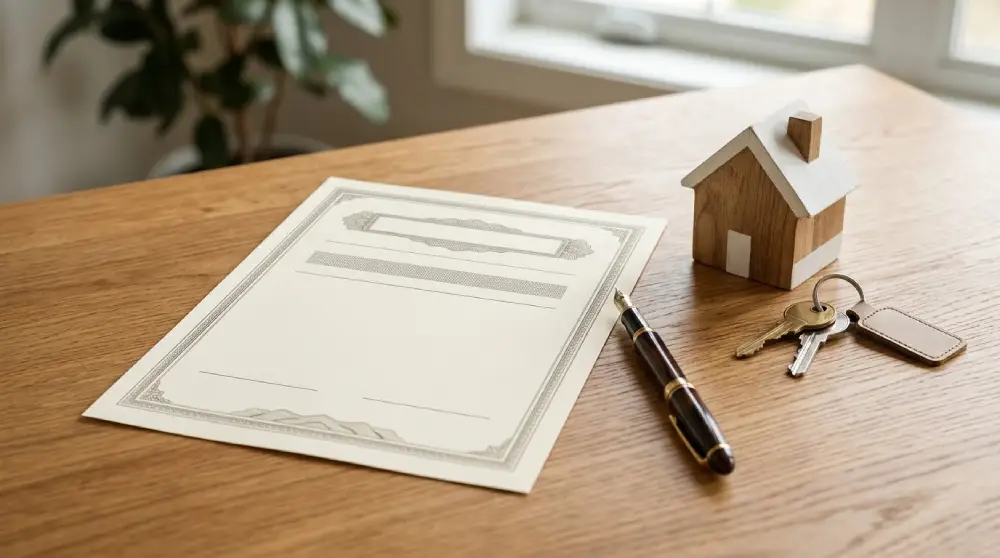
The final stretch of selling your home involves paperwork, deadlines, and careful coordination.
Understand the Process
Familiarize yourself with the closing steps—appraisal, title search, buyer’s financing, and final walkthrough. Knowing what’s ahead can reduce stress and prevent delays.
Communicate Clearly
Stay in touch with your agent, attorney (if applicable), and any other involved parties. Prompt communication helps everything move smoothly.
Prepare to Move
Start packing and make moving arrangements early. Coordinate your timeline to ensure you’re out of the home by the agreed-upon closing date.
Final Thoughts
Selling your home doesn’t have to be overwhelming. preparing thoroughly, understanding the market, and working with the right professionals, you can increase your chances of a quick and profitable sale. Use these tips for selling your home to guide each step of the process, from listing to closing. With the right approach, you’ll not only attract more buyers but also enjoy greater peace of mind during the transition to your next chapter.
FAQs
What is the best time of year to sell a home?
The best time to sell typically depends on your local market, but spring and early summer are generally considered ideal. During these months, buyer demand is high, and homes tend to sell faster. However, serious buyers are active year-round, so it’s possible to sell successfully at any time with the right strategy.
How can I make my home more appealing to buyers?
Focus on first impressions. Start with curb appeal—clean up the yard, paint the front door, and add fresh plants. Inside, declutter, depersonalize, and deep clean. Staging your home with neutral decor and plenty of natural light also helps buyers envision themselves living there.
Do I need a real estate agent to sell my home?
While it’s possible to sell a home on your own, working with a real estate agent offers many benefits. Agents provide market insight, handle negotiations, market your property effectively, and help you avoid legal pitfalls, often leading to a faster and smoother sale.
How long does it take to sell a house?
The time it takes to sell depends on location, market conditions, pricing, and how well the home is presented. In a hot market, homes may sell within days, while in slower markets, it can take several weeks or even months. A competitive strategy can significantly reduce this timeframe.
What should I disclose to potential buyers?
Sellers are legally required to disclose any known material defects or issues with the property, such as roof leaks, foundation problems, or past flooding. Being upfront helps build trust and protects you from potential legal issues after the sale.