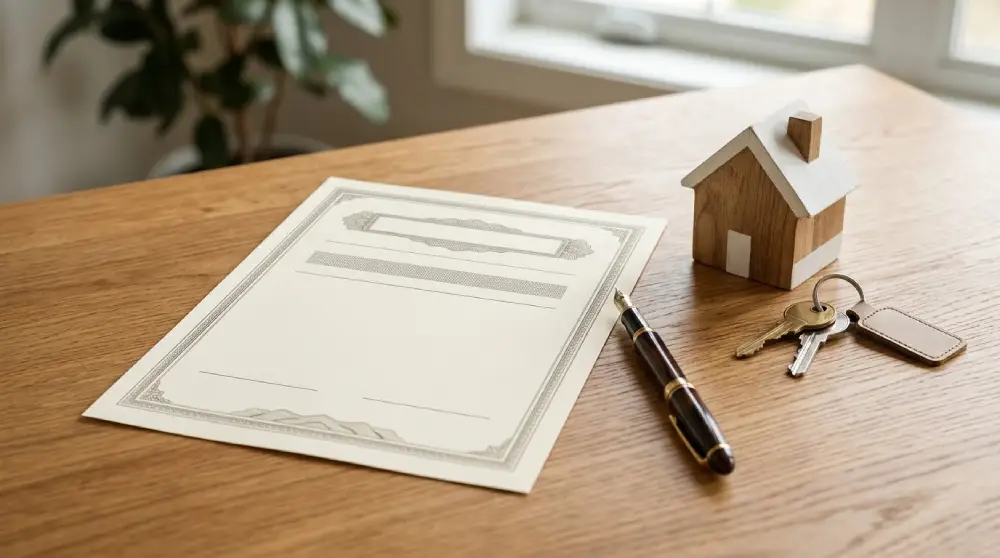
Understanding Property Deeds is one of the smartest things any buyer or owner can do. Your deed is the document that proves your rights to a piece of land or a building.
Many people sign it, file it away, and never read it again. That can lead to confusion later, especially during a sale, a family transfer, or a dispute.
This guide explains what a deed is, the main types, the key parts, and how a transfer works. Everything is written in plain language so you can use it with confidence.
What Is a Property Deed?
A property deed is a written legal document that transfers ownership of real estate from one party to another. The person giving up ownership is called the grantor. The person receiving it is called the grantee.
The deed names both parties, describes the property, and states that the transfer is taking place. Once it is signed, delivered, and accepted, ownership changes hands.
A deed is not a loan agreement or a sales contract. The sales contract sets out the terms of the deal. The deed is the final document that completes the transfer.
Deed vs Title: What Is the Difference?
People often use these two words as if they mean the same thing. They do not.
A deed is a physical or digital document. A title is the legal right to own and use the property. Think of the deed as the tool that carries the title from seller to buyer.
You can hold a deed and still face problems with your title. For example, an old claim or unpaid obligation might be attached to the land. That is why a title search is a common step before a transfer.
Main Types of Property Deeds
Not all deeds give the same level of protection. The type you receive depends on what promises the seller makes about the property.
General Warranty Deed
This is the strongest form of protection for a buyer. The seller promises that they own the property outright. They also promise that no hidden claims exist, even from before their own time as owner.
If a problem appears later, the buyer can hold the seller responsible. Because of this, many buyers prefer this type of deed in a standard sale.
Special Warranty Deed
Here the seller only guarantees problems that arose during their own period of ownership. They make no promises about earlier owners.
This type is common in commercial deals and in sales by companies or institutions. It offers less protection than a general warranty deed, so a careful title review matters.
Quitclaim Deed
A quitclaim deed passes along whatever interest the seller has, if any. It makes no promise that the seller actually owns the property or that it is free of claims.
Because of this, it is often used between people who already know each other. Common examples include transfers between family members, spouses, or former partners. It is best avoided in a sale between strangers.
Grant Deed
A grant deed sits between the warranty deeds and the quitclaim deed. The seller promises they have not sold the property to anyone else. They also promise there are no hidden claims created by them.
This type is used in some regions more than others, so check what your local rules call for.
Deed of Trust and Similar Security Deeds
In some places, a deed of trust is used when a property is bought with borrowed funds. A third party holds legal title until the loan is fully settled. After that, full ownership passes to the buyer.
The name and use of this document vary by region, so ask a local professional how it works where you live.
Key Parts of a Property Deed
Every deed looks a little different, but most contain the same core parts. Knowing them helps you spot mistakes early.
Parties: The full legal names of the grantor and the grantee.
Legal description: A precise description of the land, often using boundaries, measurements, or plot references. A street address alone is usually not enough.
Granting clause: The words that state the owner is transferring the property.
Consideration: A statement that something of value was exchanged for the property.
Signature: The grantor must sign the deed. In many places, the signature must be witnessed or notarized.
Special terms: Any conditions, limits, or shared rights attached to the land.
A small error in a name or a boundary can cause big trouble later. Read each part carefully before you sign or accept it.
How a Property Deed Is Transferred
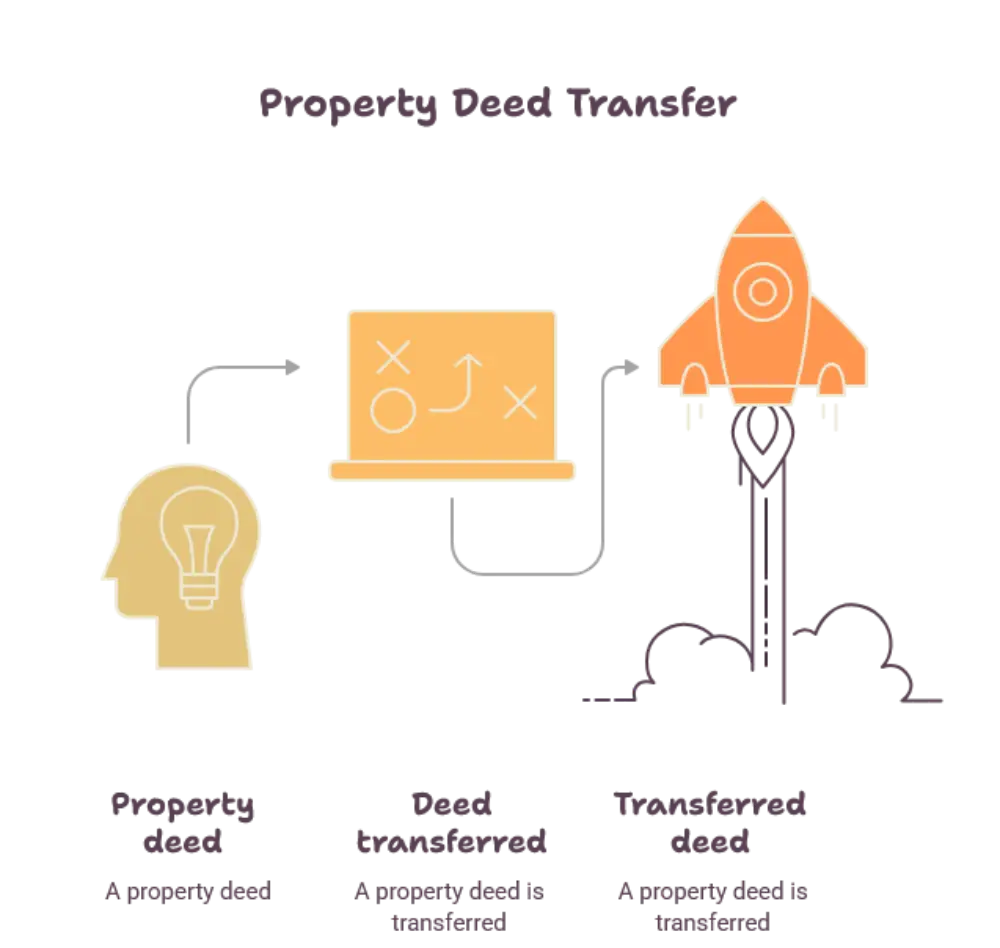
A deed does not take effect just because it exists on paper. Several actions must happen for the transfer to be valid.
First, the grantor signs the deed. Then the deed is delivered to the grantee, who must accept it. Finally, the deed is recorded with the proper government office.
Delivery and acceptance show that both sides agree to the transfer. A deed locked in a drawer and never handed over usually does not change ownership.
Why Recording Your Deed Matters
Recording means filing your deed with the local land records office. This creates a public record of who owns the property.
It protects you in several ways:
- It shows the world that you are the rightful owner.
- It helps prevent the same property from being sold twice.
- It gives you stronger standing if someone else makes a claim.
- It creates a clear history for future buyers and lenders.
An unrecorded deed may still be valid between the two parties. However, it leaves the new owner exposed. Recording is a simple step that gives lasting peace of mind.
Common Deed Mistakes to Avoid
Even careful people make errors with deeds. Here are some of the most common ones.
Misspelled Names or Wrong Details
A missing middle name or a wrong spelling can cause delays. Always compare the deed against official identity records.
Vague or Incorrect Property Descriptions
If the land description is unclear, boundary disputes can follow. Make sure the description matches the official survey or land record.
Skipping the Title Search
Trusting a seller’s word is risky. A title search confirms who really owns the property and whether any claims are attached.
Using the Wrong Type of Deed
A quitclaim deed in a sale between strangers can leave a buyer with no protection at all. Match the deed type to the situation.
Forgetting to Record
Some owners sign the deed and assume the job is done. Without recording, the public record may still show the old owner.
Tips for Reading and Keeping Your Deed Safe
Your deed deserves the same care as any important legal paper.
Keep the original in a safe place, such as a secure home safe or a bank locker. Store a clear copy separately, and consider keeping a digital scan as a backup.
Review the document whenever you plan to sell, refinance, divide, or pass on the property. If anything looks unclear, ask a qualified lawyer or a licensed land professional to explain it.
Laws about deeds differ from one country, state, or district to another. What works in one place may not apply in another, so local advice is always valuable.
Conclusion
Your property deed is more than a stack of paper. It is the proof of your ownership and the foundation of your rights as a landholder.
understanding the main types, the key parts, and the transfer process, you can avoid common mistakes. You can also make better choices when you buy, sell, or pass on property.
Take a little time to read your deed, store it safely, and make sure it is properly recorded. A small effort today can save you from serious trouble tomorrow.
FAQs
What is a property deed?
A property deed is a legal document that transfers ownership of real estate from one person to another. It names the buyer and seller, describes the property, and is signed by the person giving up ownership.
Is a property deed the same as a title?
No. A deed is the document used to transfer ownership, while a title is the legal right to own and use the property. The deed carries the title from the seller to the buyer.
Do I need to record my property deed?
Yes, recording is strongly advised. It creates a public record of your ownership, helps prevent double sales, and protects you if someone makes a claim on the property.
What should I do if I lose my property deed?
Contact the local land records office to request a certified copy. If you need help, a lawyer or licensed land professional can guide you through the process in your area.